
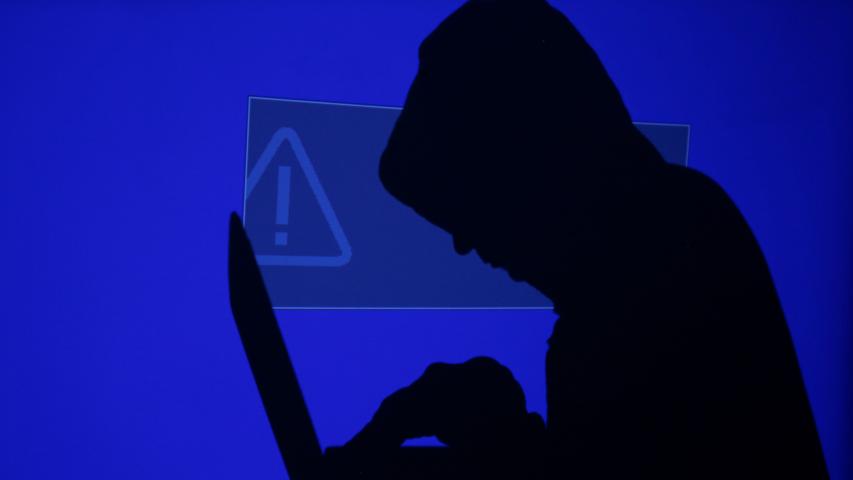

The migratory records system of the Dominican Republic was the target of a sophisticated cyber intrusion orchestrated by a group of hackers led by the Spaniard José Luis Huertas Rubio, known in the digital world as “Alcasec”. The information was revealed this Tuesday by the Spanish newspaper El Mundo.
The criminal network, also accused of violating Andorra’s immigration system, is believed to have infiltrated the E-ticket platform of the General Directorate of Migration, a tool that has been collecting the entry and exit data of foreign visitors since 2021. This is the first documented international operation of the group, which until now had focused its attacks within Spanish territory.
You may be interested in: Migration has deported more than 145 thousand foreigners so far this year, most of them Haitians
According to judicial sources cited by European media, cybercriminals allegedly used information obtained in the Dominican Republic to cross-reference it with previously breached databases in institutions such as the Spanish Tax Agency, the Civil Registry, and the National Police, with the aim of profiling business people, politicians, and high-net-worth individuals to extort them.
The case is under the direction of Judge María Tardón, of the Spanish National Court, who is considering formally notifying the Dominican authorities about the scope of the security breach, which could trigger an investigation in the country.
In addition to the criminal component, the case has taken on political overtones after the name of Francisco Martínez, former Secretary of State for Security during Mariano Rajoy’s government, was linked. Martínez is under investigation for his possible relationship with the hacker and for allegedly having intervened in his defense in previous crimes.The stolen data was located on a server hosted in Switzerland, identified as “Udyat”, alluding to the Eye of Horus, a symbol of vigilance in Egyptian mythology. The revelation has reignited the debate on the cybersecurity of government systems and the protection of personal data in the Dominican Republic.