Amnesty International rejects new Dominican Penal Code that maintains abortion penalization


2:23 pm
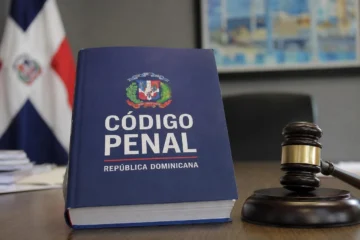
Santo Domingo.- Amnesty International (AI) expressed its rejection this Tuesday of the new Penal Code of the Dominican Republic, recently enacted and which maintains the total criminalization of abortion, even when it comes to pregnancies resulting from rape or incest, when it endangers the life of the mother or when the fetus presents malformations incompatible with life.
The Dominican president, Luis Abinader, enacted the Penal Code on August 3 after it was approved by the National Congress after years of debates, however, “the legislative and executive powers ignored a large part of the demands of civil society and public figures who demanded a better Code,” AI stated in a statement.
You may be interested in: Deputies defend immigration policy against criticism from Amnesty International
For Astrid Valencia, research director for the Americas at AI, by signing the code, the Dominican president “consolidates a legacy of institutional violence and gender injustice.” “Dominican society deserves a Code that guarantees human rights, not one that perpetuates the draconian absolute prohibition of abortion, putting at risk the life, health, and dignity of women and girls”, she pointed out in a statement. The Dominican Republic is one of the countries with the highest maternal mortality rates in the region, and it is estimated that at least 10% of these deaths are related to unsafe abortions, the statement recalled. Local human rights organizations also denounced that this criminal law has other shortcomings that exacerbate discrimination and violence against women and girls. Among them, AI cited the statute of limitations on criminal action related to sexual violence against adult women, a regressive classification of sexual violence in the context of a relationship, which does not comply with international standards, tolerance of physical punishment against girls and boys, and the omission of sanctioning discrimination based on sexual orientation and gender identity. “It is no coincidence that abortion and the correct classification and sanction of sexual violence are part of the pending issues of this Penal Code. These omissions reflect a deeply patriarchal and sexist vision that seeks to control the bodies, decisions, and lives of women,” added, for her part, Johanna Cilano Pelaez, a researcher from the Caribbean of Amnesty International. In its statement, the entity urged the authorities and the National Congress to amend the Penal Code before it comes into force in 2026, ensuring that human rights, gender equality, and the protection of women, girls, and LGBTIQ+ people “are central axes of criminal legislation.”
We are a multiplatform outlet offering news and television content. The fastest-growing news outlet in audience in the history of Caribbean communication.



#Most read
- 1.84% of teenage girls in Spain fear that AI will use their photos to create fake sexual content
- 2.Apple equips its AirPods with translation in English, Spanish, Portuguese, French, and German
- 3.Nvidia: From Video Games to the World’s Summit as a Colossus of Artificial Intelligence
- 4.NASA launches three missions to map the heliosphere and study the solar wind
- 5.Roberto Ángel Salcedo heads the first preparatory meeting for the 2026 carnivals
- 6.Melissa Medina was accompanied by a 60-year-old man and a Venezuelan friend at the time of her death
- 7.VIDEO: Tragedy in Argentine soccer: 18-year-old Abel Núñez dies after suffering head trauma
- 8.Efraín Rosas León, actor from La Familia P. Luche, passes away
- 9.Metastases reportedly disappear in first patient treated with Russia’s experimental cancer vaccine
- 10.Giancarlo Miguel Tejada denies allegations of sexual assault against niece while being transferred to the Palace of Justice

Newsletter
Subscribe to our newsletter to receive our latest articles instantly!
This site is protected by reCAPTCHA and the Google Privacy Policy and Terms of Service apply.