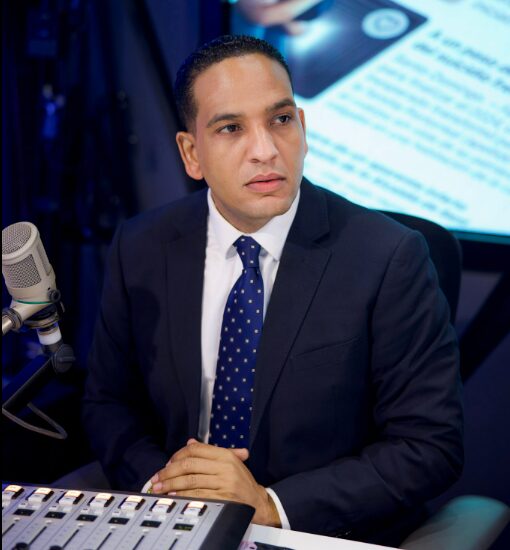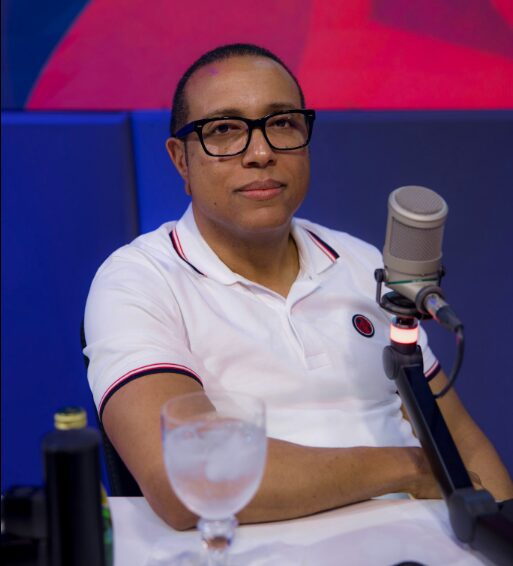

SANTO DOMINGO, DR. – Within the framework of the debate generated by the recent exclusion of the labor reform from the Chamber of Deputies’ agenda, lawyer and panelist of the program Politikal, José Eliseo Almánzar, launched a harsh criticism of the current labor legislation, describing it as an “obsolete” instrument that fosters precariousness and informality in the Dominican Republic.
Almánzar was emphatic in pointing out that the current code, which dates back to 1992, no longer responds to the economic realities of the 21st century. According to the jurist, the persistence of this legal framework is one of the main reasons the country maintains alarming levels of labor informality, which he currently places at around 53% or 54%.
RELATED CONTENT: Hansel García claims the business sector “outmuscled” the deputies and managed to exclude the Labor Reform from the agenda
The “unsustainability” of severance pay
One of the most critical points of his intervention was the analysis regarding severance pay. Although he acknowledged that it is seen as an acquired right by a large part of society, Almánzar maintained that, in practice, it has become a financial burden impossible for the Dominican business fabric to bear, which is composed mostly of small and medium-sized enterprises.

“You do nothing by having something in the code, rights that no one can pay,” the lawyer stated, explaining that no company in the country has sufficient liquidity to let go of 10% of its workforce at the same time due to the high cost of labor liabilities. This situation, in his view, forces employers to resort to subcontracting or “adjustment” payments to avoid commitments that could put their businesses out of circulation.
Criticism of union representation and lack of modernity
Almánzar also questioned the suitability of the workers’ representatives participating in the dialogue tables, pointing out a disconnection with new employment modalities. He criticized the attempt to regulate issues such as telework or artificial intelligence with leaders who, in his words, “don’t even know how to turn on a computer” and who have not worked in the private sector.
For the jurist, if a profound modification does not occur, the country runs the risk of following in the footsteps of nations like Bolivia, where informality reaches levels close to 90%.
“That is going to disappear, get it into your heads today, tomorrow, or the day after… otherwise, informality will increase”, he warned regarding the current labor burden model.
A call for political courage
Finally, José Eliseo Almánzar urged legislators and the Government to act with a “vision of State” and not based on a “popularity contest.” He argued that political leadership must have the capacity to make unpopular decisions in the present that prove beneficial for the country’s future, allowing the labor system to transition from precariousness to real and competitive formality.