


Regular consumption of peanuts may help the aging brain respond more effectively to insulin, a hormone that plays an important role in memory, learning and communication between nerve cells, according to a study published in the journal Food & Function by researchers at Maastricht University in the Netherlands.
As people age, the brain can become less sensitive to insulin, a change associated with age-related cognitive decline.
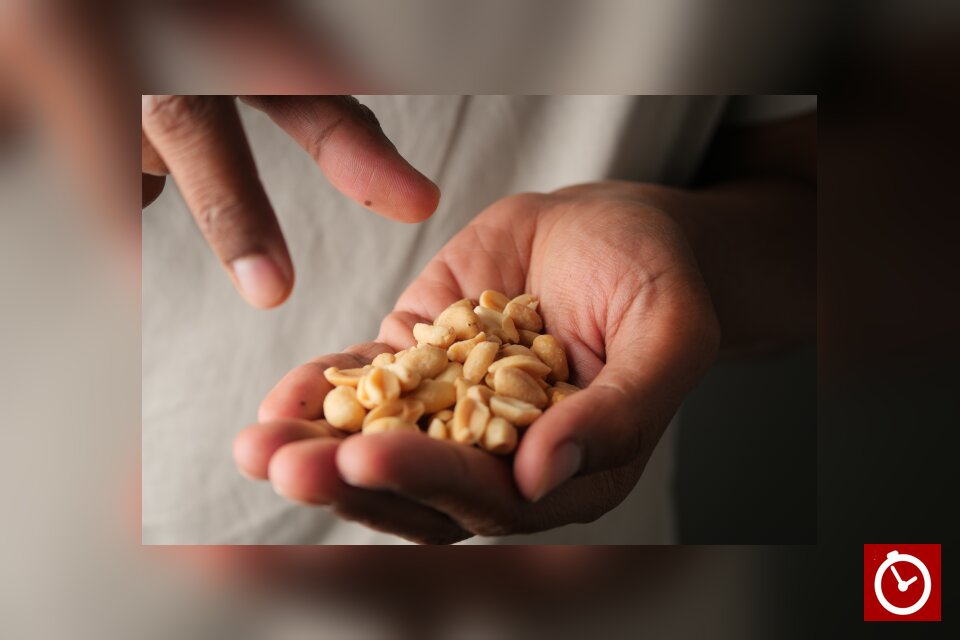
In a clinical trial involving 31 healthy adults between the ages of 60 and 75, researchers found that eating unsalted, skin-on roasted peanuts was associated with improved insulin response in brain regions involved in memory.
Participants consumed 60 grams of peanuts daily for 16 weeks, followed by a control period without peanuts. The study used a crossover design, meaning each participant completed both phases, allowing researchers to compare their responses under the two conditions.

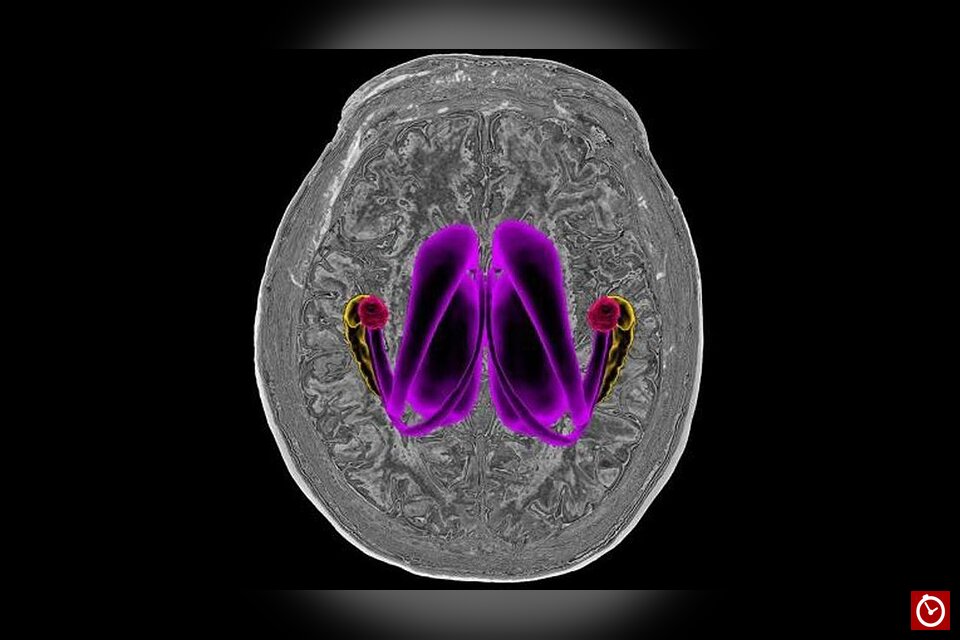
Using magnetic resonance imaging (MRI), scientists measured changes in blood flow in different brain regions following the administration of insulin through the nose. After 16 weeks of peanut consumption, insulin sensitivity increased in the right hemisphere, including the hippocampus and nearby structures associated with memory.
“Our study demonstrated that daily peanut consumption had a beneficial effect on brain insulin sensitivity in areas related to memory,” said Peter Joris, the study’s lead researcher and an associate professor at Maastricht University, as quoted by SciTechDaily.
Researchers suggest that the potential benefits may be linked to the nutritional composition of peanuts, which contain unsaturated fats, fiber, vitamins, minerals and other bioactive compounds. They are also rich in plant-based protein and L-arginine, an amino acid involved in the production of nitric oxide, a molecule that may influence learning and memory processes.
The findings suggest a possible link between regular peanut consumption and improved insulin sensitivity in certain brain regions. However, the study involved a relatively small group of participants and does not establish that eating peanuts prevents memory loss or cognitive decline.