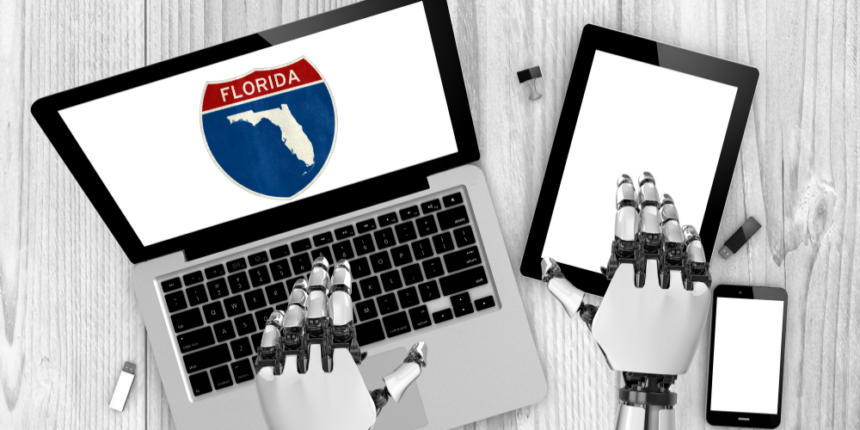
Miami (USA).- Florida will restrict the use of artificial intelligence (AI) in schools and universities, joining the largest school districts in the United States -Los Angeles and New York-, amid growing concern about this technology, according to documents available this Thursday.
The Florida Board of Education unanimously approved new limitations on AI in public K-12 schools and state public universities, including banning this technology to “meet the social needs” of students or “simulate friendship, companionship, or emotional relationships” with them.
The new restrictions also “prohibit students from using artificial intelligence to complete graded assignments or assessments for a course or program” and from using technology with “anthropomorphic design or that is oriented toward building relationships, which encourages the student to continue interacting with the system.”
You might be interested in: Artificial Intelligence redefines cybersecurity and raises the challenge for the Dominican Republic
The measures, which will affect more than 3 million students starting in July 2027, also require schools to obtain parental consent regarding the implementation of these tools and, if they reject them, the schools must provide teaching alternatives without artificial intelligence.
Likewise, the new regulations prevent AI from monitoring behavior or creating psychological profiles of students, who will not be able to use these tools without the supervision of teachers and administrators, who will receive training on the security, risks, and limitations of the technology.
More Read

The national alarm over AI
Florida’s measures against AI are approved weeks after restrictions endorsed by the Los Angeles and New York school districts, the two largest in the United States, followed by Miami’s.

While Los Angeles announced a ban on generative AI for text, images, and other content, New York issued a one-year moratorium on this technology for children from preschool through eighth grade.
Nearly half of the states in the U.S., 24, have issued guidelines for AI in the classroom, according to the civil organization TeachAI, while the association FutureEd has documented 77 bills in 27 states that address artificial intelligence in education.
More Read

Alarms have been growing since last week, when an Anthropic researcher who also worked for OpenAI, Jacob Coxon, resigned, accusing the company and its competitors of not developing AI responsibly and stating that leaders believe it “could end” humanity “before the decade is out.”
Anthropic CEO Dario Amodei published an essay over the weekend in which he urged slowing down the development of this technology due to the risks, a sentiment echoed by his rivals Sam Altman of OpenAI and Elon Musk of xAI, but U.S. President Donald Trump rejected these requests to prevent China from gaining an advantage over the U.S.
In contrast, Florida Governor, Republican Ron DeSantis, warned members of his party on Monday that supporting AI will be a “losing position” in the upcoming elections.