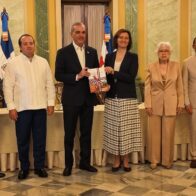
The Pan American Health Organization (PAHO) and the Organization of American States (OAS) presented new guidelines to support countries in the Americas in the design, implementation, monitoring, and evaluation of policies aimed at improving nutrition and promoting physical activity in school environments, in the face of rising overweight, obesity, and physical inactivity among children and adolescents.
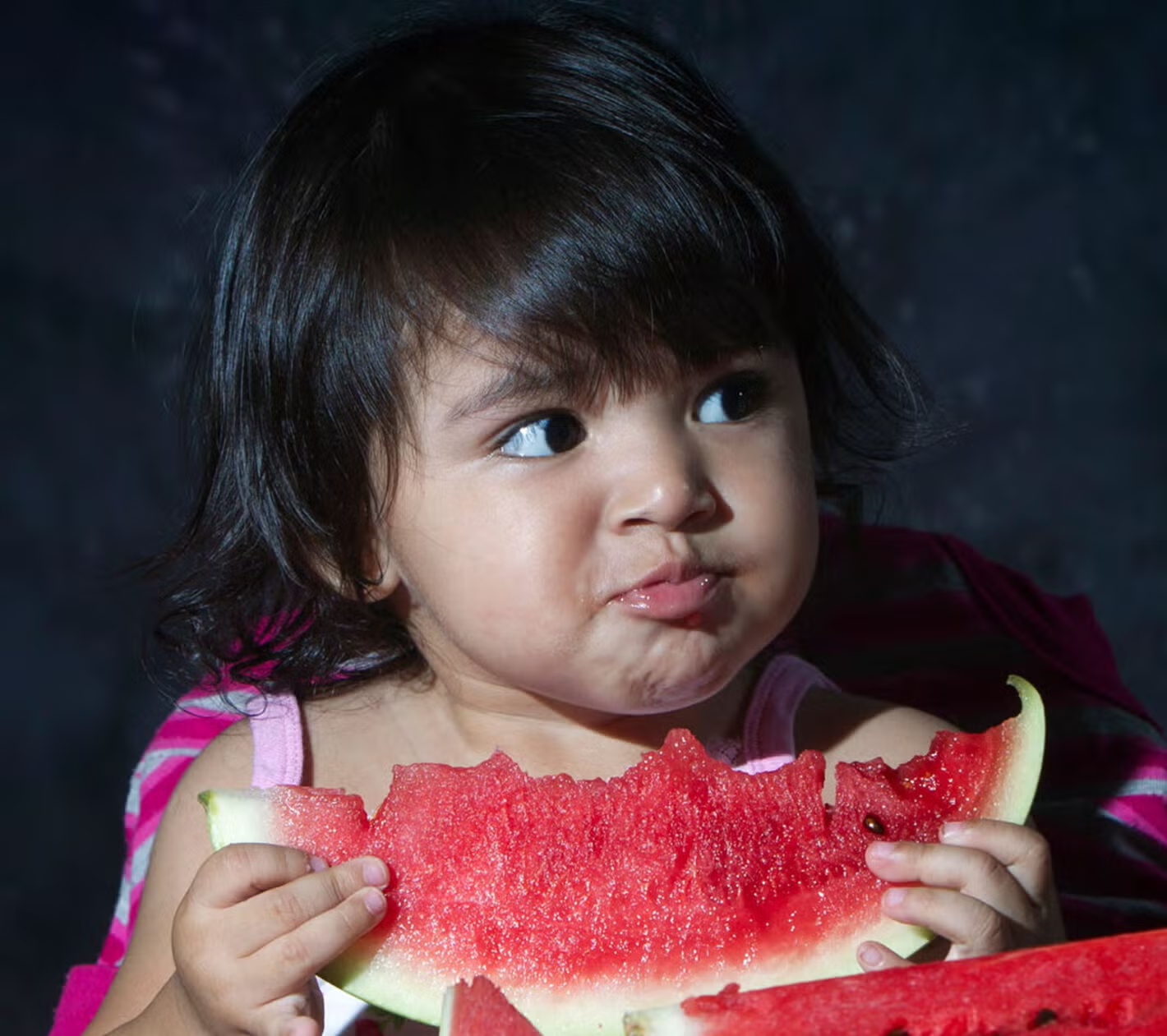
In the region, more than 30% of children and adolescents between 5 and 19 years old live with overweight. Furthermore, the prevalence of obesity in this group has tripled in the last three decades, going from 5.6% in 1990 to 16.9% in 2022. More than 80% of adolescents do not meet the World Health Organization (WHO) recommendation of performing at least 60 minutes of physical activity daily.
These trends increase the risk of developing non-communicable diseases, such as diabetes, cardiovascular diseases, and some types of cancer, in addition to affecting well-being and development during childhood and adolescence.
Given this scenario, PAHO and the OAS highlight the role of schools as key spaces for promoting healthy habits from an early age.
“Schools have enormous potential to influence the habits that will accompany children and adolescents throughout their lives. These guidelines offer countries tools based on the best available scientific evidence to create school environments that facilitate healthier choices and contribute to the well-being of children and adolescents,” said Vanessa García Larsen, head of the Risk Factors Unit of the PAHO Department of Noncommunicable Diseases and Mental Health.
More Read


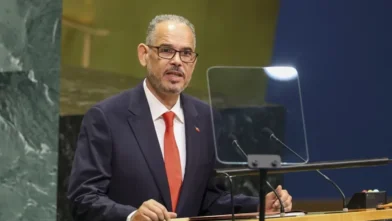
“These guidelines are based on a fundamental premise: health and education are inseparable. When we promote healthy eating and physical activity in schools, we are also strengthening educational trajectories, socio-emotional well-being, active participation, and learning opportunities for new generations,” stated Jesús Schucry Giacoman Zapata, Director of the Department of Human Development, Education and Employment at the OAS.
What the new guidelines propose
The Regional Guidelines on Healthy Food and Physical Activity Policies in School Settings (PASAFE) offer a roadmap for countries to develop, implement, and strengthen school policies that promote healthy lifestyles.
Among its main recommendations are included:
More Read

- promote healthy school food environments with access to nutritious food;
- strengthen procurement policies and school feeding programs to favor the availability of healthy food;
- restrict the availability, promotion, and advertising of ultra-processed products and sugary drinks in school environments; and
- boost physical activity through quality physical education, active recesses, active transport, before- and after-school activities, and initiatives that promote an active life in the educational community.
An evidence-based tool developed with countries
The guidelines were developed based on scientific evidence and through an extensive consultation process with the Ministries of Health and Education in the region.
In addition, they incorporate lessons learned from the experiences of the Bahamas, Belize, and Colombia, and are framed within the Hemispheric Program on Healthy Food Policies and Physical Activity in School Environments, a joint initiative of PAHO and the OAS aimed at strengthening countries’ capacities to develop intersectoral policies that promote healthy lifestyles from an early age and contribute to the prevention of non-communicable diseases.