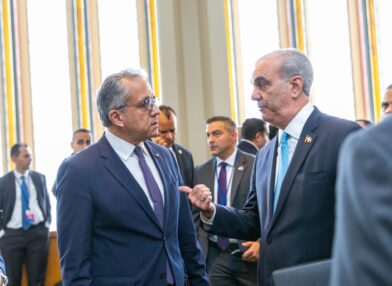
New York.- Russian Foreign Minister Sergey Lavrov and U.S. Secretary of State Marco Rubio began their meeting today on the sidelines of the UN General Assembly.
The meeting between Rubio and Lavrov, which was not preceded by statements to the press, is taking place behind closed doors. This is their second meeting so far this year, and the previous one took place exactly two months ago in Manila and lasted half an hour, which led the press to talk about the tensions between both parties.
You might be interested in: Trump and Delcy Rodríguez seal their alliance with an unprecedented meeting in New York
Moscow and Washington had expressed their desire to address the situation surrounding the conflict in Ukraine, a matter that also took center stage at the meeting held the day before between U.S. President Donald Trump and Ukrainian leader Volodymyr Zelenskyy.

The White House, whose emissaries visited Moscow and Kiev two weeks ago, expressed its willingness to resume tripartite negotiations next month, which have been frozen since February.

In this regard, the Kremlin stated this Wednesday that, “at the moment, none of the conditions for moving towards peace negotiations are met.”

“Indeed, the militarization of Ukraine continues. European countries are trying to find more and more money to buy weaponry. The Kiev regime continues its terrorist activity,” noted Dmitry Peskov, presidential spokesman, during his daily conference call.
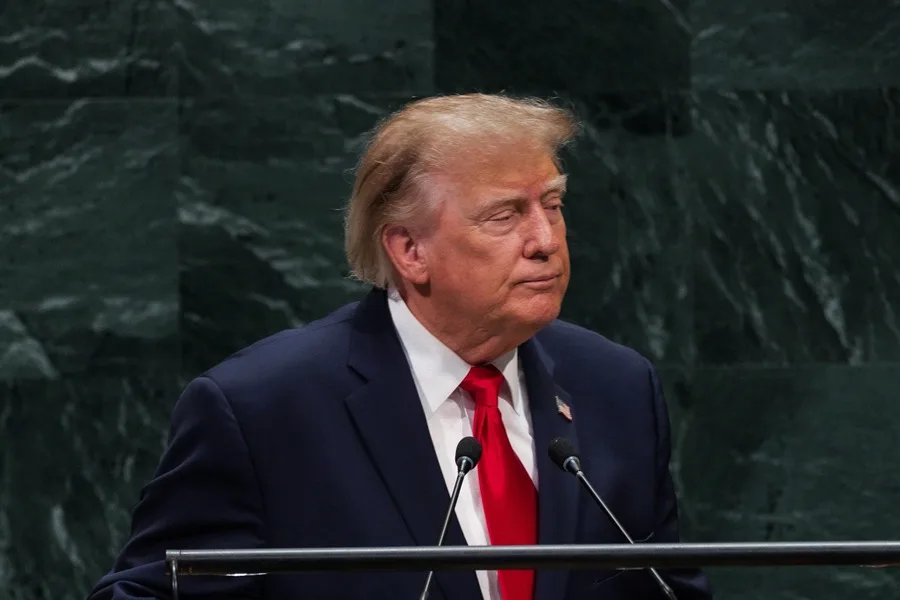
Trump says War in Ukraine will end
Trump asserted the day before during his speech before the UN General Assembly that the war in Ukraine will end “faster” than people think.
“We are working very closely with the leaders of Russia and Ukraine, and we will manage to resolve that matter. I think it will happen faster than people think,” he said.
In turn, Trump recalled that last week he signed a new law passed by Congress and promoted by the recently deceased Republican senator Lindsey Graham that allows the White House to impose tariffs to punish any country that trades with Russia or Iran.
“(The law) grants me broad powers regarding tariffs, and, if necessary, I will have to make use of them,” the president added.