

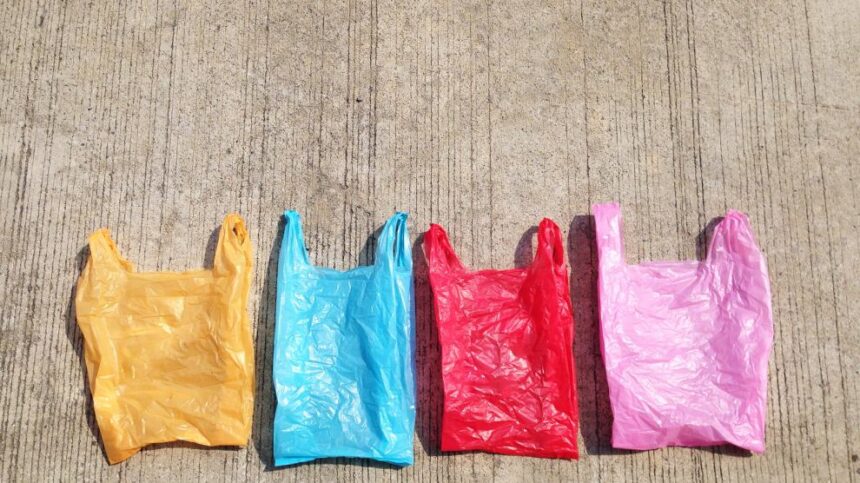
International Plastic Bag Free Day is celebrated on July 3rd and aims to reduce the negative impact that plastic bags have.
International Plastic Bag Free Day has been celebrated since the United Nations General Assembly adopted a resolution in December 2017 urging countries to take measures to reduce their use. Since that time, various countries and organizations have joined this initiative, promoting sustainable alternatives and encouraging the adoption of more responsible practices in the use of bags.
In fact, in February 2022, representatives from the 175 countries participating in the United Nations Environment Assembly (UNEA), held in Nairobi (Kenya), agreed on the first legally binding international treaty against plastic pollution “End plastic pollution: towards an international legally binding instrument”.
In the 1970s, plastic bags expanded globally and began to dominate the market, especially in the United States. As their popularity grew, it was discovered that these bags were responsible for the death of sea turtles and the accumulation of plastic waste in the ocean, such as the Great Pacific Garbage Patch.

It is estimated that a plastic bag can take more than 150 years to degrade.
However, it is important to highlight that decomposition does not mean they disappear completely, but rather that they fragment into microplastics that can persist for hundreds of years.
More Read

According to the UN Environment Programme report “From Pollution to Solution: A Global Assessment of Marine Litter and Plastic Pollution,” despite current initiatives and efforts, it is estimated that the amount of plastic in the oceans is between 75 and 199 million tons, which accounts for 85% of marine litter.
You might be interested in: 500-year-old inventions by Leonardo da Vinci brought to life by Swiss university students
Marine litter and plastic pollution pose a serious threat to coastal communities, maritime transport, and port operations. By the year 2040, it is estimated that plastic leakage into the oceans could generate an annual financial risk of 100 billion dollars for companies, if governments require them to cover waste management costs in accordance with projected volumes and recycling capacity.


What can you do to reduce plastic bags?
- Never leave home without a foldable cloth bag: cloth bags take up very little space and it won’t cost you anything to carry one or several in your purse. You never know when you might have to make an unplanned purchase.
- If you don’t have a bag and you are offered one at the store, really think about whether you need it. Perhaps what you have bought can fit in your purse, wallet, or backpack. Don’t take the bag automatically, think about it!
- Reuse the bags you have at home. As much as we want to reduce bags, a good amount always accumulates at home, don’t throw them away! You can reuse them for shopping or as a trash bag.
- Recycle: in case you have to throw away bags because they are in poor condition, throw them in the plastic recycling bin.