

Experts highlight the growth of the Dominican creative industries and warn that the main challenge regarding artificial intelligence lies in the protection of intellectual property.
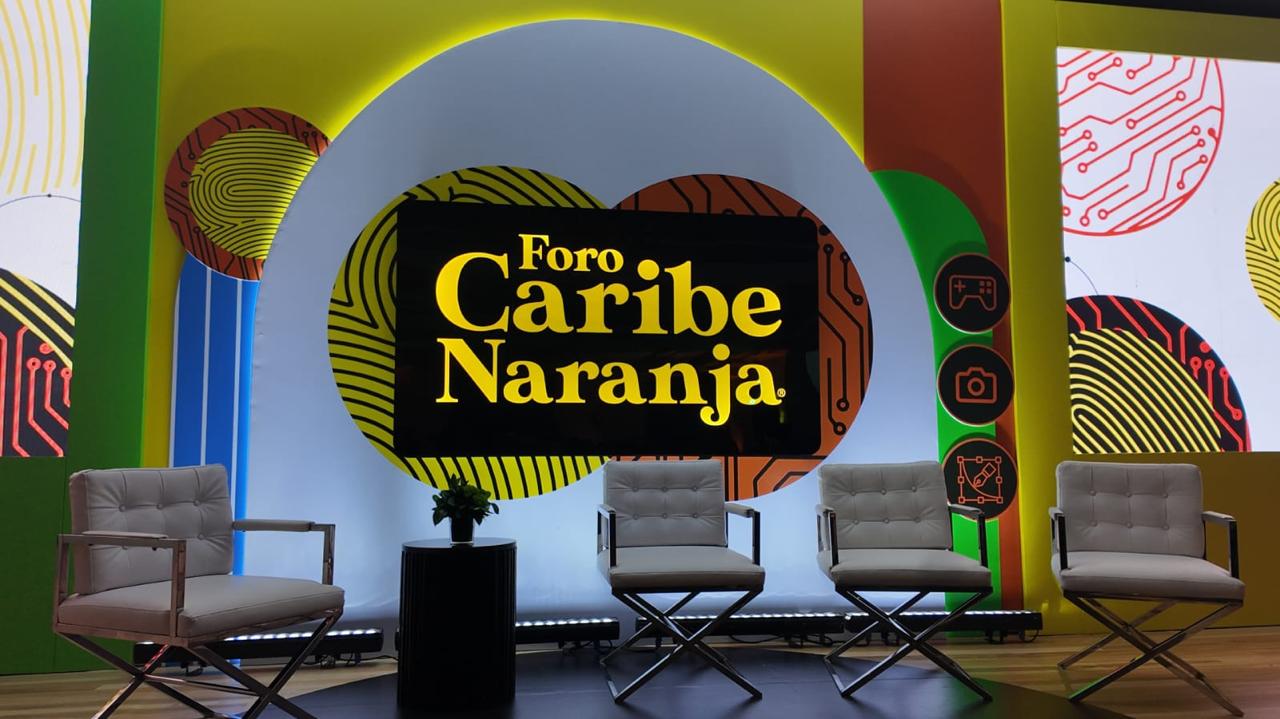
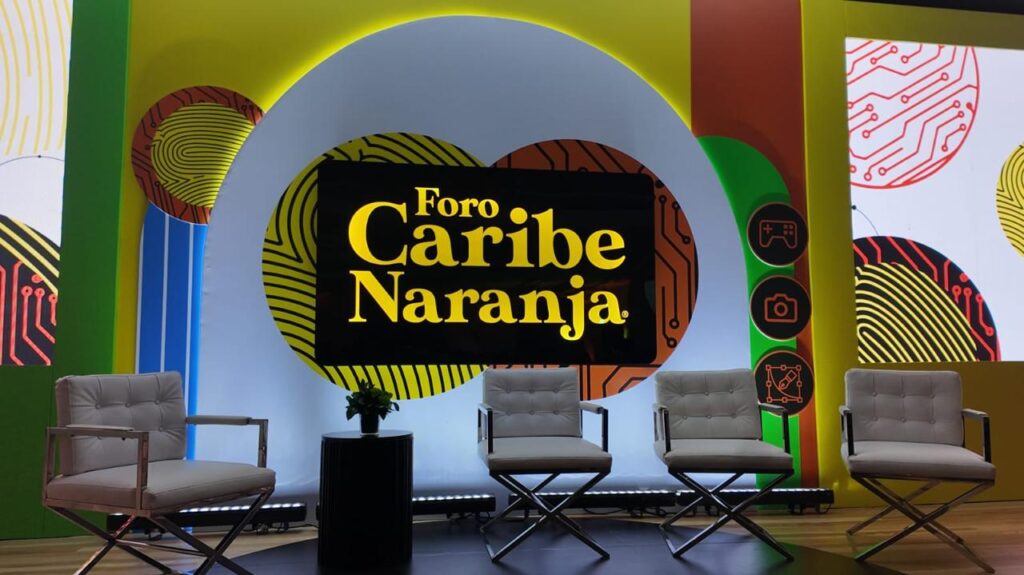
Santo Domingo.– Foro Caribe Naranja 2026, presents the advancement of artificial intelligence as an opportunity to boost cultural and creative industries, but according to the participating experts, its use must be accompanied by knowledge, ethical criteria, and a defense of human creativity.
Under the slogan “Human creativity: what AI cannot imagine,” the meeting brought together representatives of the creative industries, specialists, and actors from the public and private sectors this Tuesday to debate the transformations caused by this technology and the challenges posed by its incorporation into creative processes.
You may be interested in: Reading remains relevant among children and young people in the age of AI, says Panama, guest country at the Book Fair
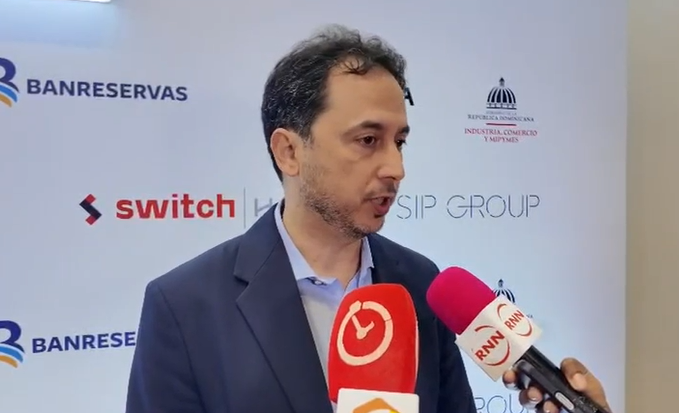
Ángel Rosario, creative director of Switch HAVAS, one of the event’s production companies, explained that for six years the Foro Caribe Naranja has worked to make visible and promote the cultural and creative industries of the Dominican Republic, including film, advertising, design, music, fashion, and video game development.

Rosario considered that the Dominican Republic has achieved significant progress in several of these sectors and particularly highlighted the growth experienced by national cinema since the enactment of the Cinema Law, as well as the position reached by Dominican music in Latin America.
“The Dominican creative industries are growing more every day and we, as a forum, have the commitment to make visible and communicate what is happening,” he/she maintained.
AI as a tool, not a substitute at Foro Caribe Naranja
Regarding the incorporation of artificial intelligence into creative processes, Rosario insisted that this technology must be understood as a tool at the service of people and not as a substitute for human capacity.
“AI works for us, not us for AI,” he stated, noting that its expansion also opens discussions that still require answers, especially regarding ethics and intellectual property.
He warned that there is currently a “gray area” surrounding certain uses of these tools, which is why he considered it essential for creators and entrepreneurs to be trained to determine how far and in what way to incorporate them into their work.

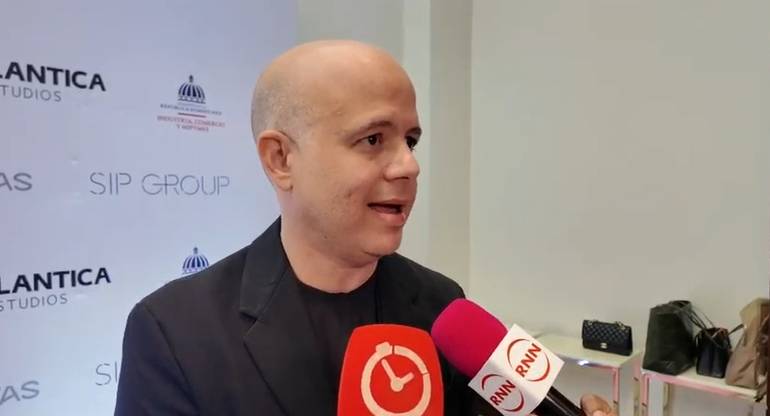
Along those same lines, Octavio Kulesz, an international expert linked to UNESCO and a specialist in digital creativity, stated that the emergence of generative tools like ChatGPT in recent years has profoundly transformed the work of artists and cultural industries.
Kulesz explained that artificial intelligence offers advantages such as increased creative potential, the democratization of access to creation tools, and greater productivity. However, he warned that it is not a neutral technology nor is it free of risks.
Among its main challenges, he cited the so-called “hallucinations” of AI systems, biases, the homogenization of content, and their environmental impact.
For the specialist, one of the greatest current challenges is precisely the lack of knowledge regarding the functioning and real possibilities of this technology.
“We need much more AI literacy and training,” maintained Kulesz, who suggested that a better understanding of these tools will allow them to be used in favor of creative processes and avoid misconceptions about their scope.
Creative industries facing a new reality
During the sixth edition of the Orange Caribbean Forum, the impact of algorithms on the audiovisual sector, banking, education, and other activities linked to the creative economy was also addressed, with an emphasis on how to incorporate new technologies without losing the human component that provides identity and differentiation to productions.
The Orange Caribbean Forum is part of Caribe Naranja, a platform created by Switch HAVAS and SIP Group to make visible, connect, and boost the cultural and creative industries of the Dominican Republic and the Caribbean. The initiative also integrates La Silla Naranja, focused on giving visibility to actors in the creative sector, and Conexión Naranja, a space for discussions and the exchange of ideas between specialists and representatives from different areas of the industry.
The sixth edition was held at the InterContinental Real Santo Domingo Hotel and focused on the discussion regarding the role that human creativity will continue to play in a scenario marked by the rapid development of artificial intelligence.