

Drinking artificially sweetened soft drinks may be associated with changes in gut bacterial activity and a marker linked to inflammation, according to a preliminary study published November 15 on MedRxiv.
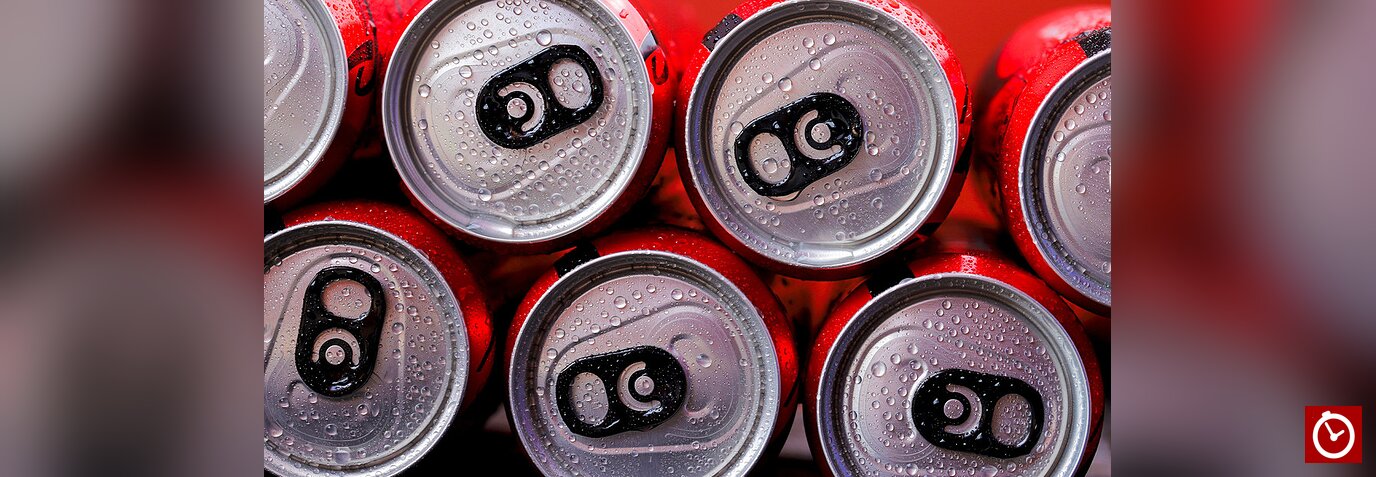
The research followed eight young women with overweight who consumed three servings of Diet Pepsi per day for eight weeks. The beverage contained the artificial sweeteners sucralose and acesulfame potassium.
Researchers analyzed stool samples to examine the metabolic processes of gut bacteria. They identified 33 metabolic pathways associated with consumption of the drink: 18 showed increased activity, while 15 decreased. However, only one reached the conventional threshold for statistical significance.
The most notable finding was an association between bacterial activity related to L-alanine production and higher levels of interleukin-6 (IL-6), a protein involved in the immune response and associated with inflammatory processes.

The findings suggest a possible link between artificial sweetener consumption, gut bacterial activity and inflammatory signals in the body.
However, the study does not establish that artificial sweeteners cause inflammation. Its small sample size and the absence of a control group also limit the conclusions that can be drawn.