


Dominican tourism is no longer limited to sun, beach, and large hotel complexes. In recent years, the mountains have gained prominence as a setting for those seeking nature, adventure, tranquility, and different experiences. In that landscape, Jarabacoa and Constanza are consolidating themselves as two of the country’s main mountain destinations, with an offering that combines adventure activities, natural landscapes, gastronomy, agriculture, and lodging.
Growth became especially visible after the pandemic. The lockdown period led many people to seek open spaces away from large cities, a trend that ended up favoring destinations like Jarabacoa. According to the operators consulted, the increase is reflected not only in the number of visitors but also in the expansion of businesses, accommodations, activities, and jobs related to tourism.
In Jarabacoa, the offer is characterized by diversity. Visitors can find rafting, tubing, canyoning, hiking, river trekking, zip-lining, rappelling, electric bikes, buggies, off-road vehicles, and paragliding, among other activities.
One of the experiences that best evidences growth is paragliding. An operator dedicated to this activity explained that they can currently register between 700 and 800 people per month, while about five years ago they received around 100 per month. The difference is even greater when compared to its beginnings: about 19 years ago, it was around five people per week.

Growth has also forced an expansion of human capacity. In the case of paragliding, foreign pilots have been brought in while the training process for new Dominican professionals continues. Among the foreign visitors, people from France, Germany, the United States, the Netherlands, and the Canary Islands, among other places, are mentioned.
The economic appeal is also part of the phenomenon. A paragliding experience costs around US$60, including photographs, videos, and transportation, a price considerably lower than what, according to the interviewee, can be found in other countries, where a similar activity can reach between US$200 and US$300.
But the rise of Jarabacoa does not depend on a single activity. Another of the operators consulted records between 600 and 1,000 monthly visitors, depending on the season, and points out that previously it received between 300 and 400. Rafting appears as one of the main activities, both for Dominicans and foreigners.
The transformation is also observed in the frequency of visits. According to those interviewed, Jarabacoa is no longer a destination associated only with long weekends and holidays. Currently, there is tourist movement even during the first days of the week and a constant presence during the weekends.

That increase has had direct consequences on employment. One of the operators noted that they went from working with between eight and nine guides a day to having around 16. The number of teams available to meet demand also increased.
The effect extends beyond the companies that offer activities. The visitor who arrives to go rafting or paragliding also needs accommodation, food, transportation, and other services. This generates an economic circuit that involves hotels, restaurants, supermarkets, shops, cafes, gas stations, and small local businesses.
In that sense, mountain tourism functions as a chain in which different sectors of the community receive part of the benefits. The growth in demand has also favored the construction of villas and new accommodations, as well as the expansion of the gastronomic offer in the area.
Constanza: mountains, agriculture and rural experiences
While Jarabacoa has developed a strong identity around adventure and nature sports, Constanza has expanded its offering by combining mountain tourism with agriculture and rural experiences.
Among its attractions are mountainous spaces such as the Pirámide de Aguas Blancas and the Divino Niño, but the offer is not aimed solely at those looking for high-altitude hikes. The destination has also developed an agricultural route that allows visitors to discover greenhouses, nurseries, crops, and open fields.
The experience includes contact with potato, carrot, vegetable, fruit, and flower crops, as well as spaces dedicated to the production of strawberries and other products characteristic of the area. The proposal seeks for the visitor to learn about a part of Constanza’s productive life and not just its mountainous landscapes.
Gastronomy and local businesses are also part of that experience. The route can include spaces where visitors consume food, drinks, desserts, and artisanal products made by community residents. In this way, the tourist route ends up connecting nature, agriculture, gastronomy, and local commerce.
Constanza’s growth also became more evident after the pandemic. According to the operators consulted, the destination began to receive a greater flow of domestic and foreign visitors, becoming a place that many currently consider “trendy.”
The busiest season is concentrated between November and March, especially during the winter. In the summer months, demand tends to decrease because some visitors opt for river and beach destinations.
The figures provided by the operators show the magnitude that the tourist flow can reach. One of the companies consulted indicated that during January it can receive up to 300 people in a single day. There are also weekends recorded in which the total volume of visitors can reach between 400 and 500 people.
Demand has even forced an expansion of transport capacity. Operators have had to incorporate larger vehicles and resort to additional units when large groups arrive. On certain days, groups of 150 people may appear, and there are even days when between 300 and 400 visitors are received.
The growth evidences a change in the way domestic tourism is consumed. Visitors are increasingly looking for experiences that allow them to disconnect from the city and get closer to nature, but also to learn about the production, gastronomy, and communities of the destinations.
Growth that also requires planning
The rise of mountain tourism brings economic opportunities, but it also poses the challenge of protecting the natural spaces that make this activity possible. In Jarabacoa and Constanza, the operators consulted agree that tourism growth must be accompanied by organization and measures that allow for the conservation of the resources that attract visitors.
In Jarabacoa, the increase in tourist flow has generated concerns related to the amount of waste, vehicular traffic, and parking. Faced with this reality, some operators have developed cleanup days with their work teams and guides, in addition to participating in reforestation and conservation initiatives. The main concern is that the growth in visits does not end up affecting the environment that constitutes one of the main attractions of the destination.
In the case of paragliding, the activity has a particularity: the flight does not use engines and, therefore, its direct impact during flight is reduced. However, access to takeoff and landing areas involves ground travel and requires proper organization. One of the operators consulted also raised the need to have a dedicated space for the activity that allows for ensuring its permanence and better management of its future operations.
In Constanza, environmental protection is closely linked to how tours to mountainous areas are conducted. One of the operators highlighted that Valle Nuevo is a space of pure, pollution-free air, a characteristic they directly relate to its status as a national park. The conservation of that environment also represents part of the appeal sought by visitors who arrive at the destination in search of nature and tranquility.
Mobility to these areas also requires special attention. According to the interviewee, although access to certain zones has improved with road improvements, large buses are not recommended for reaching all points due to steep slopes, narrow streets, and sharp curves. Therefore, tours are conducted with vehicles appropriate for mountain conditions.
Care also extends to the supervision of services. Given the increase in visitors and the need to resort to third-party vehicles during peak demand seasons, the operator explained that they strive to select units in good condition and drivers with up-to-date documentation. They even noted that they personally accompany the routes to supervise that the trips are carried out appropriately.
These measures take on greater importance in a destination that can receive hundreds of people in a single day. In January, one of the companies consulted can reach around 300 visitors in a day, while on certain occasions groups of 150 people are handled, and even days with between 300 and 400 visitors.
The challenge, for both Jarabacoa and Constanza, does not consist solely of attracting more tourists, but of managing that growth without deteriorating the natural resources, landscapes, and conditions that make both destinations attractive. Conservation, access control, supervision of routes, and proper planning become increasingly important as the number of visitors increases.
The rise of mountain tourism demonstrates that destinations like Jarabacoa and Constanza have an offering capable of competing within national tourism from a different perspective. Adventure, nature, agriculture, gastronomy, and contact with local communities are part of a model that continues to grow. The challenge now is to ensure that this growth is sustainable and that the mountains that attract thousands of visitors today can continue to be one of the country’s main tourism assets.
From five visitors a week to hundreds a day
The growth of adventure tourism in Jarabacoa can be clearly observed in the figures provided by operators. An activity like paragliding went from receiving approximately five people per week 19 years ago to currently reaching between 700 and 800 participants per month. About five years ago, the figure was around 100 people per month.
The transformation is not limited to paragliding. Rafting, tubing, canyoning, hiking, and other adventure experiences have also seen an increase in demand. One of the operators consulted estimates between 600 and 1,000 monthly visitors, depending on the season.
The impact is reflected in employment and the local economy. A business that receives tourists does not operate in isolation: those who arrive to engage in an activity also need places to sleep, eat, buy products, and get around. Therefore, the growth of tourism generates movement in different sectors of Jarabacoa.
The increase in visitors has also forced an increase in the number of guides. In one of the companies consulted, the daily staff went from eight or nine guides to 16. The activities can last between two and three hours and a visitor can carry out around two experiences during a day. The average expenditure indicated by the operator is around RD$2,800 per person and per activity, depending on the selected experience.
But the same growth that creates opportunities raises questions about the destination’s capacity to accommodate more and more people. More tourists also mean more waste, heavier traffic, and greater pressure on natural spaces. For operators, the future of tourism in Jarabacoa will depend on growth being accompanied by organization, controls, and conservation measures.
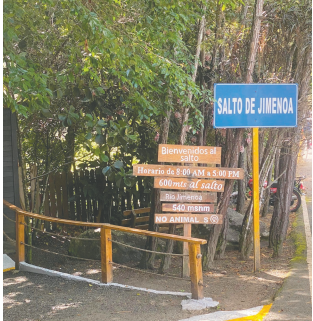
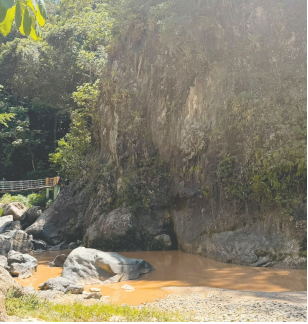
Mountain tourism gains more dynamism in Constanza and Jarabacoa