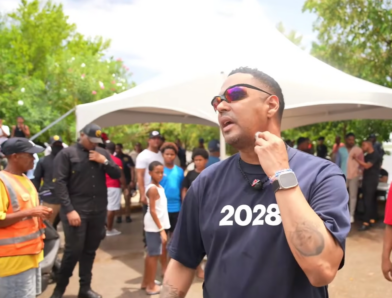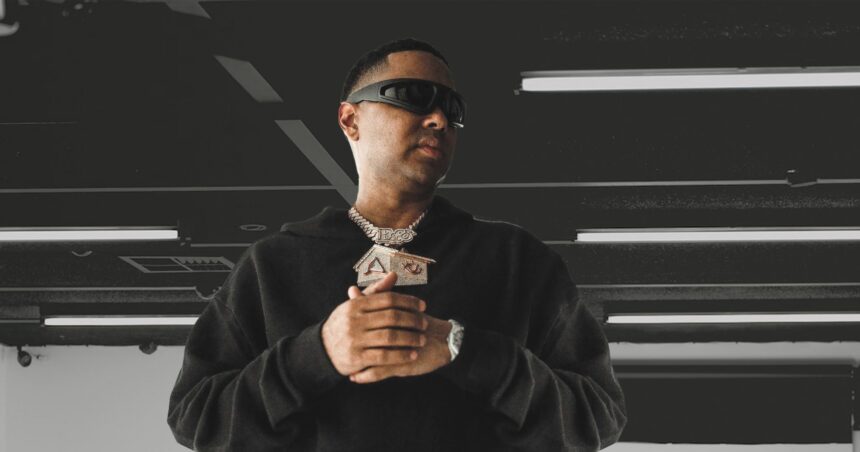
Santo Domingo. Analyst Sergio Cedeño suggests that the so-called “Alofoke phenomenon” reflects a transformation in the way influence and leadership are built in the Dominican Republic, rather than an isolated case linked to the figure of businessman and communicator Santiago Matías.
In an opinion piece published by Debates de Radio, Cedeño argues that the real challenge is not determining whether one is for or against Alofoke, but rather understanding that Dominican society has changed and that traditional ways of doing politics no longer respond to the current reality.
The author argues that social media and the attention economy have modified the way citizens consume information, build trust, and choose whom they listen to, displacing part of the prominence that political parties historically held.
To support his analysis, Cedeño draws on the ideas of thinkers such as Deng Xiaoping, Guy Debord, Marshall McLuhan, Manuel Castells, Zygmunt Bauman, and Thomas Kuhn, who, from different perspectives, addressed changes in power, communication, and social transformations.

We recommend reading: Santiago Matías: The “outsider” shaking up the Dominican political-electoral board
More Read

According to the columnist, Santiago Matías did not create this new scenario, but rather knew how to interpret the language and dynamics of an increasingly digitally connected society before many political actors.
Likewise, it emphasizes that understanding this phenomenon does not imply endorsing it, but rather recognizing that societies evolve more rapidly than traditional political structures.
Finally, Cedeño warns that political parties face the challenge of adapting to a citizenry that no longer builds its loyalties in the same way as in previous decades and concludes that politics usually arrives after society has already changed.