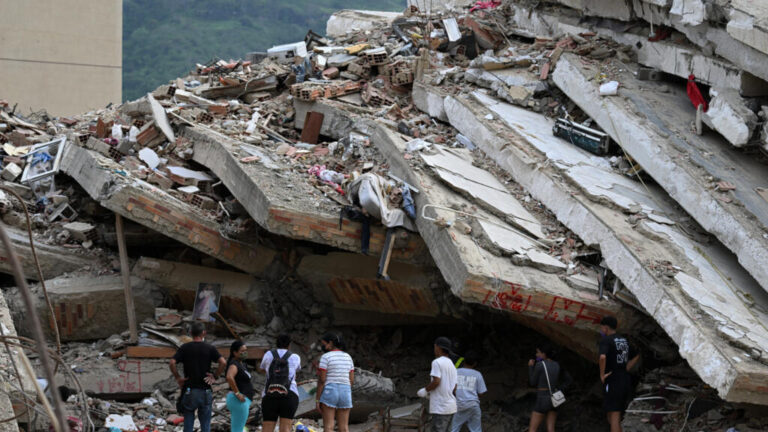

Death toll in Nepal rises to 13 after violence in “Generation Z” protests
6:59 am
Kathmandu.- At least thirteen people died this Monday in Kathmandu during clashes between protesters and security forces during protests led by thousands of Generation Z youth against corruption and the ban on social networks in Nepal.
Two protesters died at the Baneshwar Civil Hospital, according to the center’s executive director, Mohan Chandra Regmi, who informed EFE. The rest of the deceased were registered in various medical centers in the capital, where they were admitted after a surge in violence during the protests against the security forces.
Read more: Campaign “That is violence” launched, a call to recognize and stop violence against women
Hospital sources warned that the number of victims could increase, with almost four dozen protesters admitted to several hospitals, many of them in critical condition from serious gunshot wounds to the head and chest. Clashes erupted in the New Baneshwar area as protesters breached police barricades that were preventing them from marching towards the Parliament building. Some of them even managed to access the parliamentary facilities, which triggered the police response, who resorted to water cannons, tear gas and even live fire to disperse the crowd. The Kathmandu District Administration Office announced a curfew in several areas of the capital from 12:30 to 22:00 local time (06:45-16:15 GMT), after protests intensified. Thousands of Generation Z activists took to the streets to protest the government’s ban on 26 unregistered social media platforms, including Facebook, Instagram, and X. The protesters, carrying banners condemning corruption, consider the block “a direct attack on freedom of expression.” The protests have been dubbed the ‘Generation Z’ protests because they are led by thousands of young Nepalese people between 15 and 28 years old, who have used social media as the main channel for organization and criticism of the Government. The trigger for the mobilizations was the government’s decision to order the Telecommunications Authority to prevent access to all platforms that did not register with the local authorities, as required by a new directive. For days, young people had protested online under the hashtags “#NepoKid” and “#NepoBabies” to denounce a culture of nepotism and cronyism in which, according to them, job and political opportunities are inherited instead of earned through merit. It’s not the first time Nepal has clashed with big tech companies. In November 2023, the country banned TikTok for its “negative impact on society,” although it lifted the ban nine months later, once the Chinese company completed its official registration, setting a precedent for current regulation.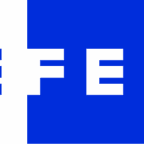
We are a multiplatform outlet offering news and television content. The fastest-growing news outlet in audience in the history of Caribbean communication.


#Most read
- 1.84% of teenage girls in Spain fear that AI will use their photos to create fake sexual content
- 2.Roberto Ángel Salcedo heads the first preparatory meeting for the 2026 carnivals
- 3.Apple equips its AirPods with translation in English, Spanish, Portuguese, French, and German
- 4.NASA launches three missions to map the heliosphere and study the solar wind
- 5.Nvidia: From Video Games to the World’s Summit as a Colossus of Artificial Intelligence
- 6.Melissa Medina was accompanied by a 60-year-old man and a Venezuelan friend at the time of her death
- 7.“I’m going to gain so much weight”: Mamdani tries Colombian food in Queens
- 8.Colombian boxer Andrés Pérez wins two international titles after knockout in Dominican Republic
- 9.Meet the 10 participants of “La Casa de Alofoke”
- 10.Doctors confirm Melissa Medina arrived at the health center in a cadaverous state

Newsletter
Subscribe to our newsletter to receive our latest articles instantly!
This site is protected by reCAPTCHA and the Google Privacy Policy and Terms of Service apply.