

The Government of Haiti announced that it will take as a reference the penitentiary model implemented by the president of El Salvador, Nayib Bukele, as part of a strategy to combat the armed gangs that have kept the country mired in a deep security crisis.
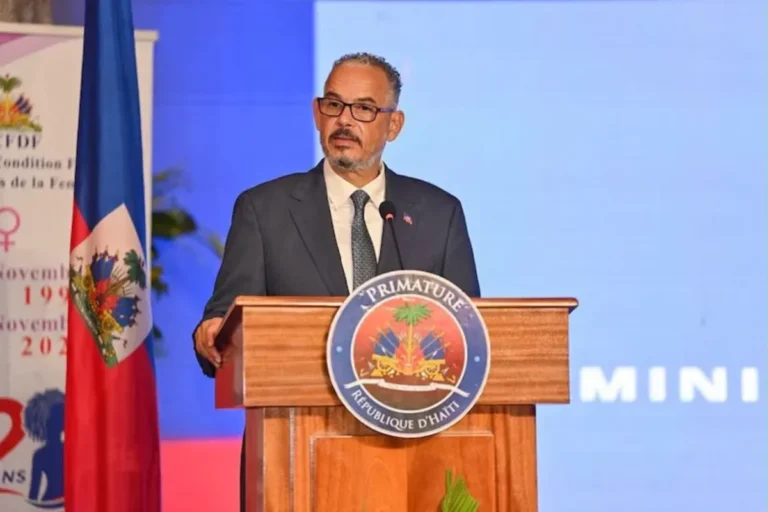
The Haitian Minister of Justice and Public Security, Patrick Pélissier, confirmed that both countries reached an agreement for the construction of three new penitentiary centers in Haitian territory, a project that will feature the participation of a Salvadoran company and another local company.
The official offered the details during a press conference held on Friday, November 20, after making an official visit to El Salvador on the 16th and 17th, under instructions from the Haitian Prime Minister, Alix Didier Fils-Aimé.
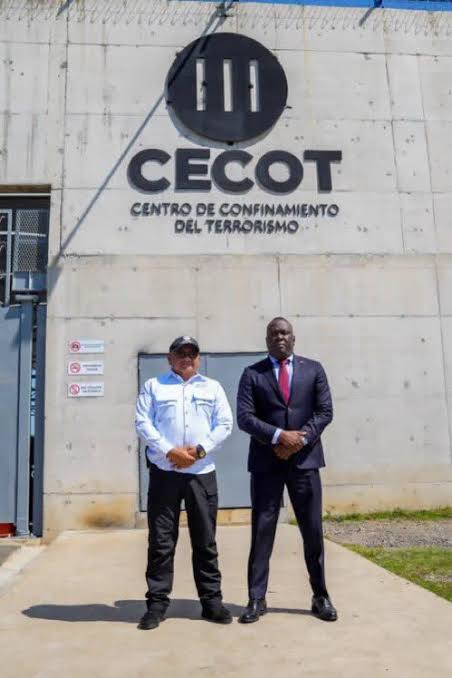
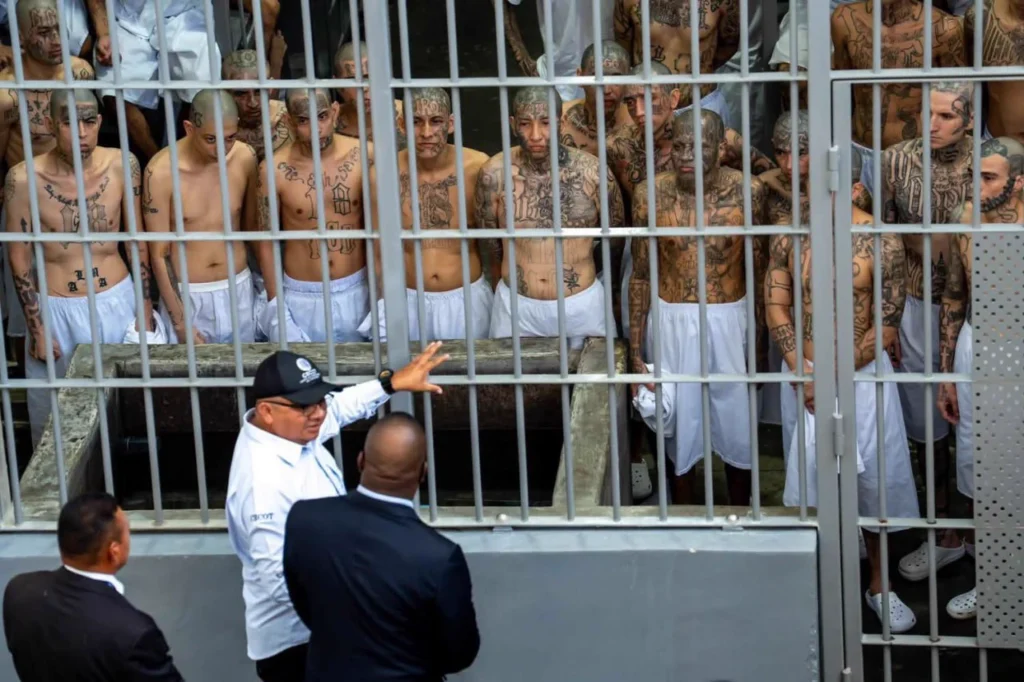
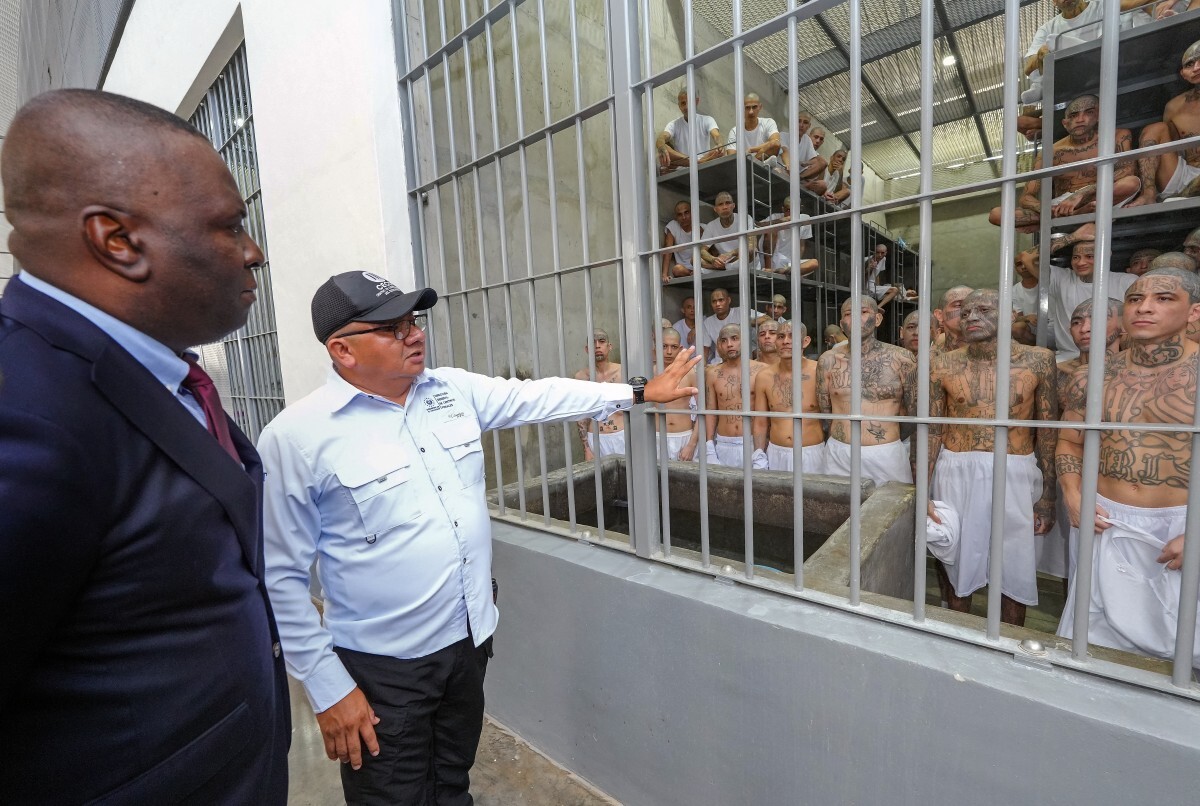
During his stay, Pélissier visited the Terrorism Confinement Center (CECOT), one of the main prison facilities built under Bukele’s security policy, with the aim of learning about its operation and evaluating the possibility of adapting some of its practices to the Haitian judicial system.

As explained, the construction of the first penitentiary center will begin soon in Port-au-Prince, as part of government efforts to strengthen incarceration capacity and control criminal organizations.
In addition to prison infrastructure, the cooperation contemplates the adaptation of certain Haitian legal provisions and the training of specialized judges, with the purpose of improving the judicial system’s response to organized crime.
The Salvadoran security model has sparked the interest of several Latin American countries, due to the considerable reduction in violence levels recorded during the Bukele administration. Since 2023, various nations in the region have proposed projects to build at least 16 mega-prisons inspired by this strategy.
However, human rights organizations have questioned the detention conditions and potential violations of fundamental guarantees associated with this model.

Juanita Goebertus, Americas Director at Human Rights Watch (HRW), warned in statements to the EFE agency that the Salvadoran strategy is attractive to other governments due to its results in reducing violence, although she questioned the reported abuses and the way in which the prison system is presented to the public.
The initiative comes at a time when Haiti is facing a severe security crisis, marked by the territorial expansion of gangs, armed clashes, and the difficulties authorities face in regaining control of large areas of Port-au-Prince.
With this cooperation, the Haitian authorities seek to strengthen their penitentiary and judicial institutions, although questions remain regarding the implementation of the Salvadoran model in a country with deep institutional weaknesses and a prolonged political and social crisis.