
Indonesia will punish extramarital sex with imprisonment

10:21 am
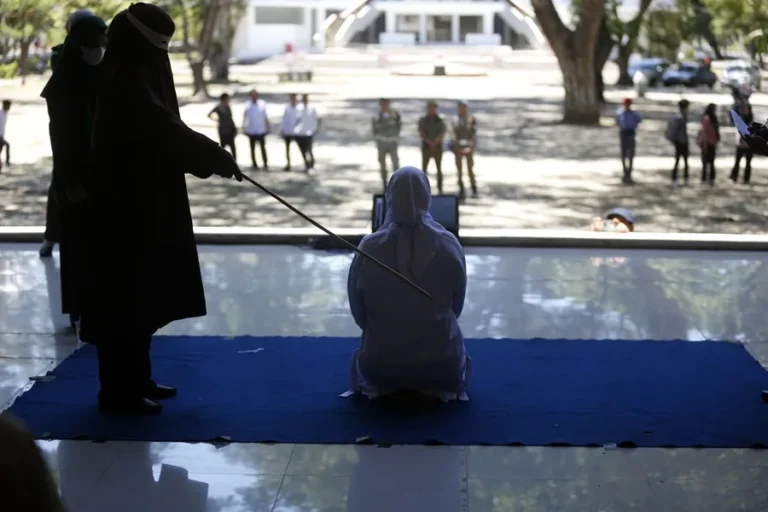
This Friday came into effect the new penal code in Indonesia, approved in December 2022. The initiative punishes, among other things, extramarital sexual relations, criticism of the authorities, and the dissemination of false news.
According to the legislation, people who have extramarital relations may receive a prison sentence of up to one year. Those who live together without being married may also be convicted. However, it is clarified that the penalties will only be applied if there is a complaint from one of the spouses, parents or children, and it is detailed that foreign tourists are excluded.You may be interested in: The death toll from the floods in Indonesia rises to 921
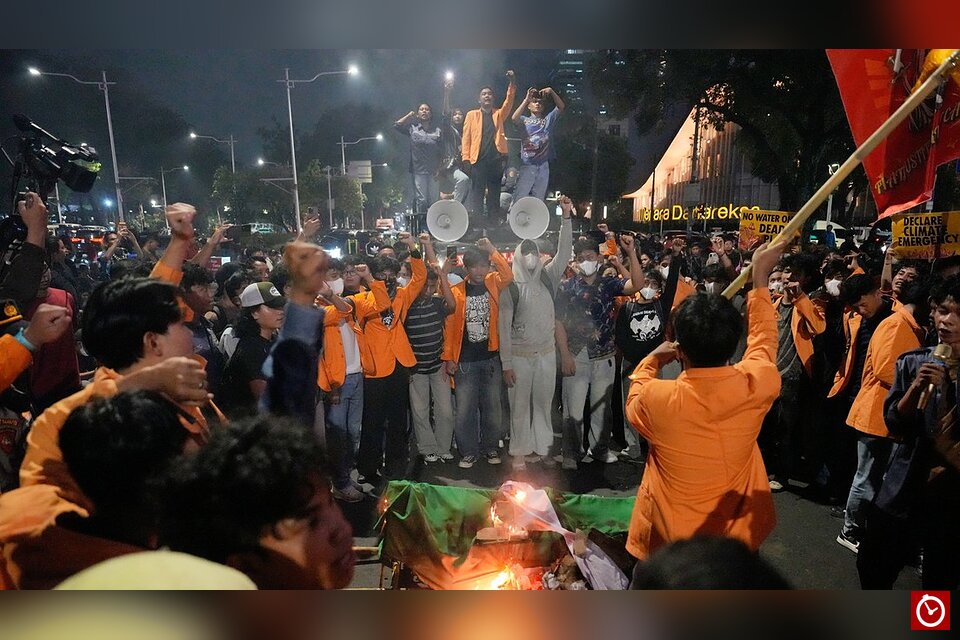
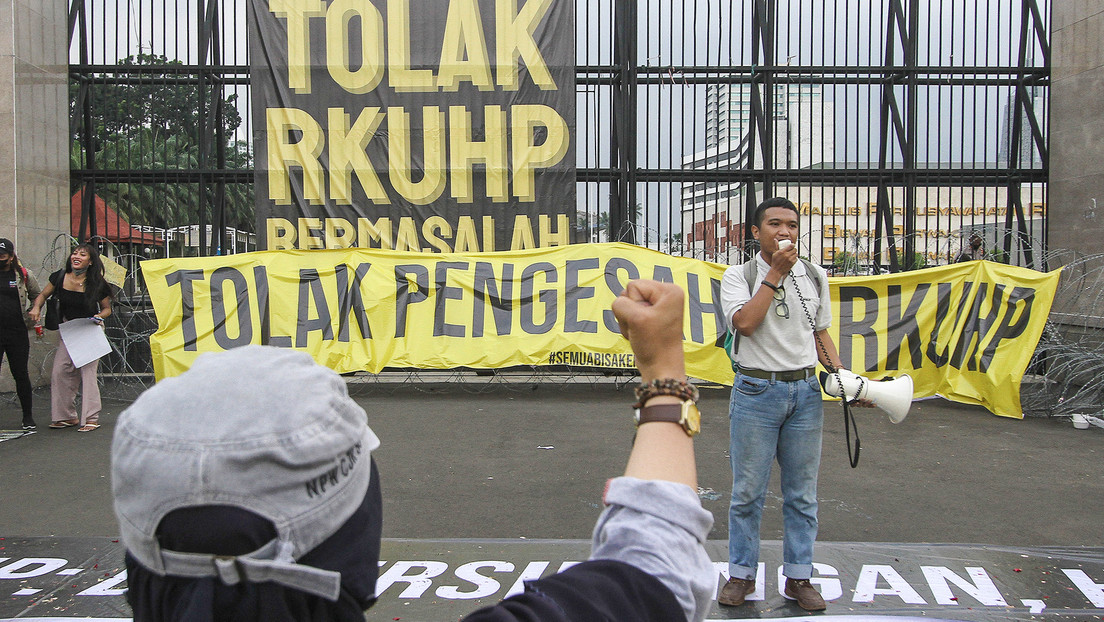
Furthermore, a maximum penalty of up to three years is established for demonstrating and “attacking the honor or dignity” of the highest state authorities, institutions, and the ideology, called Pancasila. In addition, those who spread false news intentionally, which result in “disturbances or disorder”, may be punished with a maximum of six years in prison. Another of the crimes listed in the new penal code is apostasy, which can be punished with up to four years in prison, while those who claim to have supernatural powers and use them to cause harm to others may be imprisoned for up to 18 months.Criticism and defense
The criminal regulations received several questions, including that of Usman Hamid, executive director of Amnesty International Indonesia, who defined it as a “significant blow” to civil liberties. In addition, he expressed that it has an “excessive scope” and that it will “strengthen obstacles to freedom of expression while criminalizing legitimate and peaceful dissent”. For his part, the Coordinating Minister for Law, Human Rights, Immigration and Penitentiary Services, Yusril Ihza Mahendra, assured that it is “a historic moment for the nation.” He also stated that Indonesia faces “the end of the era of colonial criminal law and the beginning of a more humane, modern and just legal system rooted in Indonesian culture,” leaving behind the norms that came from the Dutch colonial era, which ended with independence in 1945.
Redacción de De Último Minuto



#Most read
- 1.Woman fined for sitting on playground bench while crying in Germany
- 2.84% of teenage girls in Spain fear that AI will use their photos to create fake sexual content
- 3.Roberto Ángel Salcedo heads the first preparatory meeting for the 2026 carnivals
- 4.Apple equips its AirPods with translation in English, Spanish, Portuguese, French, and German
- 5.Nvidia: From Video Games to the World’s Summit as a Colossus of Artificial Intelligence
- 6.NASA launches three missions to map the heliosphere and study the solar wind
- 7.Melissa Medina was accompanied by a 60-year-old man and a Venezuelan friend at the time of her death
- 8.Meet the 10 participants of “La Casa de Alofoke”
- 9.Alofoke’s House 3, return of an impact phenomenon
- 10.Santiago Matías announces Plací as the newest member of “La Casa de Alofoke 3”

Newsletter
Subscribe to our newsletter to receive our latest articles instantly!
This site is protected by reCAPTCHA and the Google Privacy Policy and Terms of Service apply.