
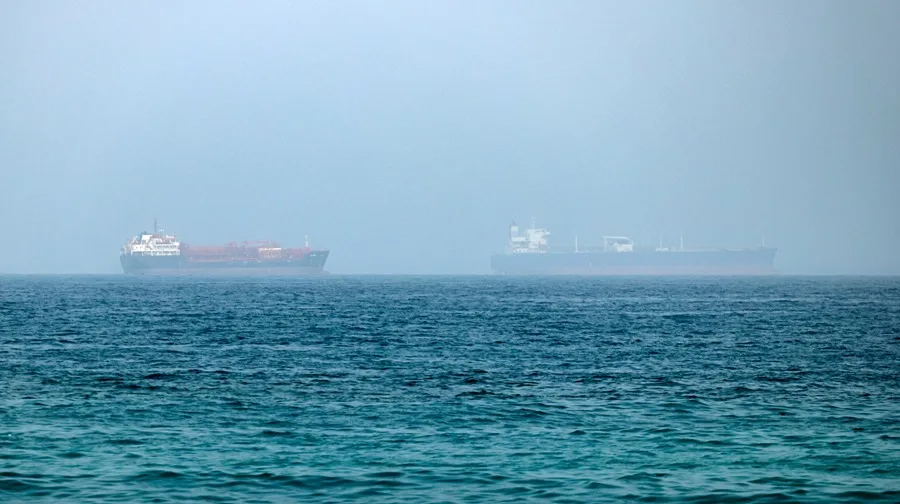

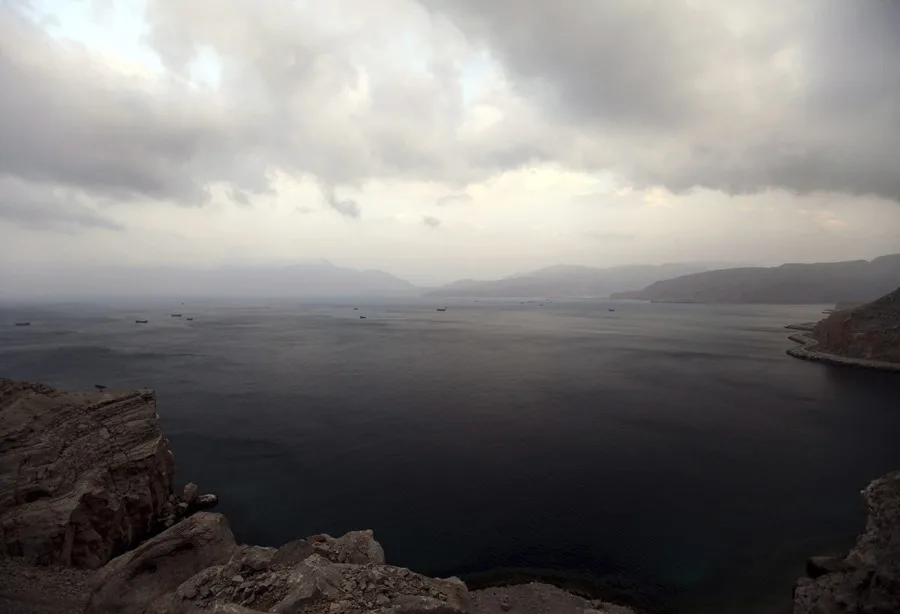
Iran stated this Saturday that it seeks a diplomatic solution to avoid another war with the United States and that it could reduce the timeline to reopen the Strait of Hormuz if Washington meets its demands, after Donald Trump deemed the Iranian conditions unacceptable.
“If they want to reduce the timeframe (to reopen Hormuz) from two days to one or even two hours, we have no problem with that; the important thing is that our demands are met,” stated Iranian Foreign Minister Abbas Araghchi in an interview with the newspaper Iran.
Araghchi said he is seeking a “good, honorable and dignified” agreement that ensures there will not be another war, and kept on the table the plan that provides for the fulfillment of Iranian demands on the first day and the reopening of Hormuz and the start of negotiations on the second.
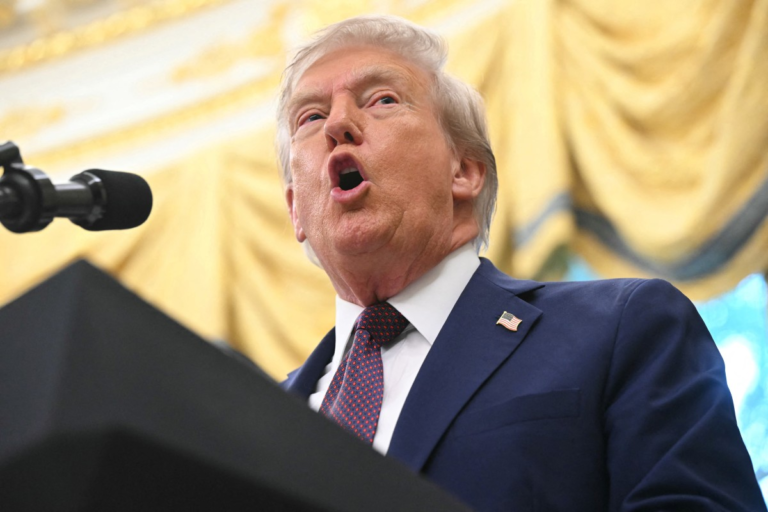
“They want to reach a deal, but they don’t want to reach a deal that is acceptable to me,” Trump declared on Friday.

Among Iran’s demands are the cessation of the war throughout the Middle East, the lifting of the naval blockade and U.S. sanctions, and the unfreezing of Iranian assets.
The foreign minister acknowledged that negotiating implies an exchange of concessions, but warned that Iran will not agree to hand over through diplomatic means a victory that, as he maintained, Washington did not achieve during the war.

Iran’s nuclear scope: red lines
In the nuclear sphere, Iran set two red lines: “The first is that this material (enriched uranium) will not leave the country and the second, that those reserves will be used in accordance with our needs, whatever definition we give to those needs.”
He was referring to the approximately 440 kilograms of 60% enriched uranium, whose whereabouts have been unknown since the Israeli and United States attacks on Iranian nuclear facilities during the twelve-day war of June 2025.
Faced with growing conservative calls to modify nuclear doctrine, Araghchi assured that it has not yet changed, although he defended debating its revision, despite acknowledging that Russia and China, Iran’s ally, also oppose such a measure.
Dozens of parliamentarians, clerics, and even the Assembly of Experts of the Leadership—which elects the supreme leader—have called for studying a withdrawal from the Treaty on the Non-Proliferation of Nuclear Weapons and revising the atomic doctrine to strengthen deterrence.
Until now, the Islamic Republic has defended the civilian nature of its atomic program and has invoked the fatwa (religious ruling) that its late supreme leader Ali Khamenei issued in 2003, which declared the development of atomic and biological weapons “haram” (forbidden).