Mexico totally bans vapers and electronic cigarettes

8:31 pm
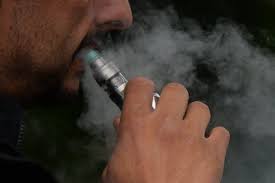
Mexico City.- The Mexican Chamber of Deputies approved this Tuesday constitutional reforms that completely prohibit the use of vapes and electronic cigarettes in the country, with penalties of up to eight years in prison for their sale.
With 324 votes in favor and 129 against, the legislators – mostly from the ruling party – approved the opinion derived from an initiative sent by Mexican President Claudia Sheinbaum.
You may be interested in: Joan Manuel Serrat stars in a lively talk at the FIL de Mexico before a passionate audience
The opinion reforms the General Health Law “regarding the prohibition of electronic cigarettes, vapers and other similar systems or devices”, and establishes penalties of one to eight years in prison for their sale. It also imposes an equivalent fine of 100 to 2,000 times the daily value of the Measurement and Update Unit (UMA) – an economic unit in Mexico -, equivalent to between 11,314 pesos and 226,280 pesos (about 621 dollars to 12,430 dollars) for the sale of these devices. Specifically, the reform prohibits “throughout the national territory” the acquisition, production, manufacturing, transportation for commercial purposes, storage, import, export, distribution, sale and supply of these devices, as well as “all acts of advertising or propaganda” for their consumption. And define electronic cigarettes, vapers and other similar systems or devices as “any mechanical, electronic or any technology apparatus or system, used to heat, vaporize or atomize toxic substances, with or without nicotine, other than tobacco, that can be inhaled by the consumer”. The initiative also recognizes “vaping as a threat to public health”, which will allow the implementation of public policies to “reduce dependence on its use, protect vulnerable groups, and ensure full respect for the precautionary principle in the management of health risks”, the Legislature noted in a statement. In addition to banning vapes, the reform also strengthens healthcare in Mexico by expanding the powers of the Ministry of Health in infrastructure planning, the supply of medicines, and the coordination of the National Health System. During the legislative discussion, opposition deputies criticized the ruling party for “opening the door” to organized crime in the business of vapes and electronic cigarettes. “Not regulating a product that people already consume is the same as more black market and more money for the drug traffickers, who this December, thanks to Morena (ruling party), are going to receive their Christmas bonus,” said congresswoman Iraís Reyes, from Movimiento Ciudadano. The legislator also called the ruling legislators who “vape” “hypocrites.” “You vape, we’ve seen you, I don’t know how you can come to impose a ban when you are vapers,” she said. Last June, organizations and specialists warned – within the framework of World Vape Day, which is celebrated every May 31 – about the alarming growth of the “black market” for vapes and illegal cigarettes in Mexico, stemming from prohibitive policies and lack of regulation.
Periodista egresada de la Universidad Autónoma de Santo Domingo (UASD). Le gusta escribir sobre política e historias humanas que puedan transformar vidas. Actualmente cursa un master en Comunicación Política y Marketing Digital.



#Most read
- 1.84% of teenage girls in Spain fear that AI will use their photos to create fake sexual content
- 2.Roberto Ángel Salcedo heads the first preparatory meeting for the 2026 carnivals
- 3.Apple equips its AirPods with translation in English, Spanish, Portuguese, French, and German
- 4.NASA launches three missions to map the heliosphere and study the solar wind
- 5.Nvidia: From Video Games to the World’s Summit as a Colossus of Artificial Intelligence
- 6.Melissa Medina was accompanied by a 60-year-old man and a Venezuelan friend at the time of her death
- 7.Meet the 10 participants of “La Casa de Alofoke”
- 8.Alofoke’s House 3, return of an impact phenomenon
- 9.Colombian boxer Andrés Pérez wins two international titles after knockout in Dominican Republic
- 10.“I’m going to gain so much weight”: Mamdani tries Colombian food in Queens

Newsletter
Subscribe to our newsletter to receive our latest articles instantly!
This site is protected by reCAPTCHA and the Google Privacy Policy and Terms of Service apply.