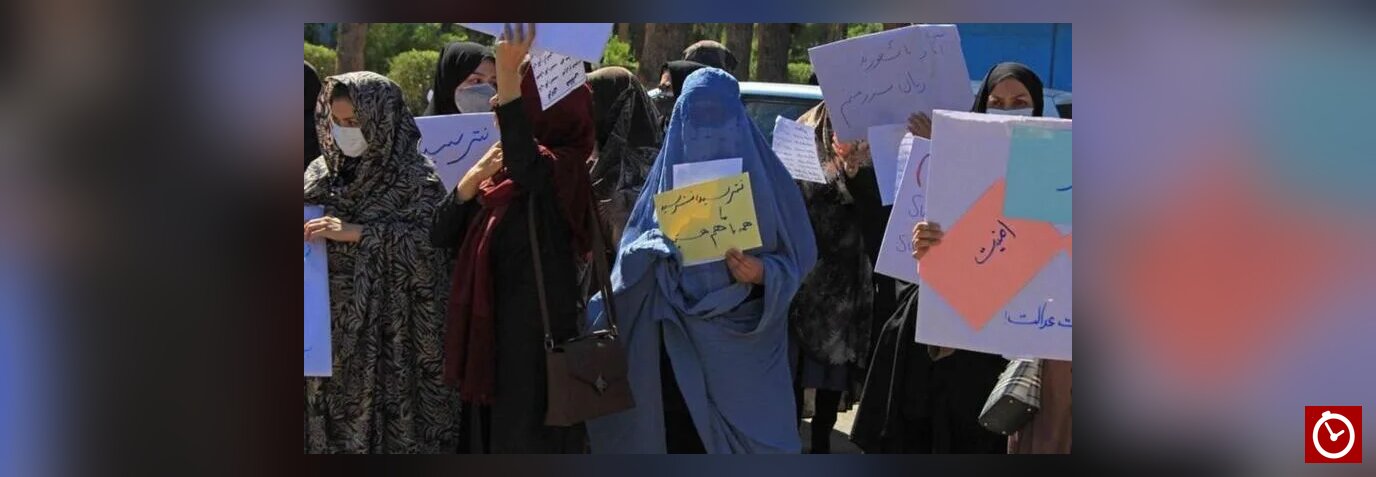

The Taliban authorities have ordered the removal of women’s first and last names from official documents in Afghanistan’s northern province of Balkh, replacing them with the term “Bibi,” which means “grandmother” or “elderly woman.” The directive reportedly applies to administrative and healthcare records, including medical files, and instructs public officials to stop writing and pronouncing women’s names.
The measure was confirmed through testimonies from Afghan women and reported in an investigation by local outlet Zan Times and British newspaper The Guardian. Human rights organizations have expressed concern, describing the order as another step toward erasing women’s identities under the Taliban government, which returned to power in August 2021.
A policy described as dehumanization
Afghan activist Lalah Osmany said the directive goes beyond the use of the term “Bibi.” According to testimonies she collected, some women have also been identified using derogatory terms associated with animals, including “goat” and “livestock.”
“This goes far beyond a conservative tradition. It is a systematic process of dehumanization,” Osmany warned, arguing that removing a person’s name is the first step toward stripping away their identity.
The activist explained that the measure is rooted in social customs in some Afghan communities, where publicly saying a man’s wife’s or daughters’ names was traditionally considered an affront to family honor. As a result, women were often identified in family documents only as someone’s wife or daughter, while their names were omitted from gravestones and wedding invitations.
However, women’s rights organizations warn that the new directive represents a significant change because a social custom is now being imposed as an official government restriction.
An activist in Kabul, identified by the pseudonym Karishma, also confirmed the existence of the order, although she said it had not yet been implemented consistently.
Concerns over healthcare and women’s rights
Zubaida Akbar, director of Femena’s Afghanistan program, warned that the measure could eventually spread beyond Balkh province. She described the removal of women’s names as a complete erasure of their identity.
Femena has counted more than 144 decrees and measures restricting Afghan women’s rights since the Taliban returned to power. These include barring girls from secondary education after the age of 12, excluding women from universities, restricting employment opportunities and limiting their participation in public life.
Osmany also warned that replacing women’s names with a single term in hospitals and healthcare facilities could lead to confusion involving prescriptions, medical records and treatments.
These concerns come amid existing restrictions on women’s access to healthcare and medical training. The activist argued that losing legal recognition of their names could further undermine women’s ability to own property, seek justice and preserve their place in history.
A campaign to restore women’s identities
The fight to have women’s names recognized in official records predates the latest directive. In 2017, Osmany launched the “Where Is My Name?” campaign, which sought to include mothers’ names in official documents, including their children’s birth certificates.
The campaign led the previous Afghan government to authorize the voluntary inclusion of women’s names in those records in September 2020.