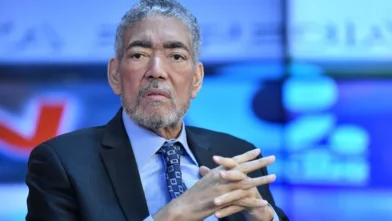
Santo Domingo.- Since taking office as President of the Republic in August 2020, President Luis Abinader has developed a style of governance characterized by a permanent presence in communities, which has made him one of the Dominican leaders with the greatest direct contact with the national territory.
His work agenda has been marked by continuous tours through provinces, municipalities, municipal districts, rural sections, and hamlets, in a dynamic that has sought to bring the Government closer to the people and personally supervise the execution of public policies.
Beyond the inauguration of works, the tours have served to establish communication channels between the central government and citizens, strengthening the bond between public institutions and the population.
Nearly six years into his administration, President Abinader has built a political imprint associated with permanent contact with the national territory. His constant travel through cities, municipalities, and rural communities reflects a government strategy based on direct presence, active listening, and supervision of the works and programs aimed at boosting the development of the Dominican Republic.
We recommend reading: Abinader highlights works and projects promoted since 2020
More Read
During these years, the president has recurrently visited the 31 provinces and the National District, traveling from large urban centers to remote communities across the national geography.
This practice has allowed sectors traditionally far from government decision-making centers to have direct access to the head of State to raise needs, concerns, and proposals.
Listening to govern
More Read
One of the distinctive features of President Abinader’s administration has been the holding of meetings with representatives from various social, economic, and community sectors.
In each province visited, the ruler usually holds meetings with agricultural producers, merchants, business owners, neighborhood associations, community leaders, social organizations, churches, young people, female entrepreneurs, and local authorities.
These dialogue spaces have served to identify specific problems in each territory and to follow up on projects under execution.
The practice of listening directly to citizens has become a regular component of their trips within the country, allowing them to learn firsthand about the needs of the communities and evaluate the impact of government actions.
Works that transform communities
Presidential visits have not been limited to meetings and community gatherings. Throughout his administration, President Abinader has led the inauguration and delivery of hundreds of infrastructure projects in different regions of the country.
More Read

Among the main achievements are the construction and rehabilitation of roads, bridges, local paths, and streets, projects aimed at improving connectivity and facilitating the transport of people and goods.

These investments have had a special impact on agricultural communities and rural areas that for years demanded better access roads.
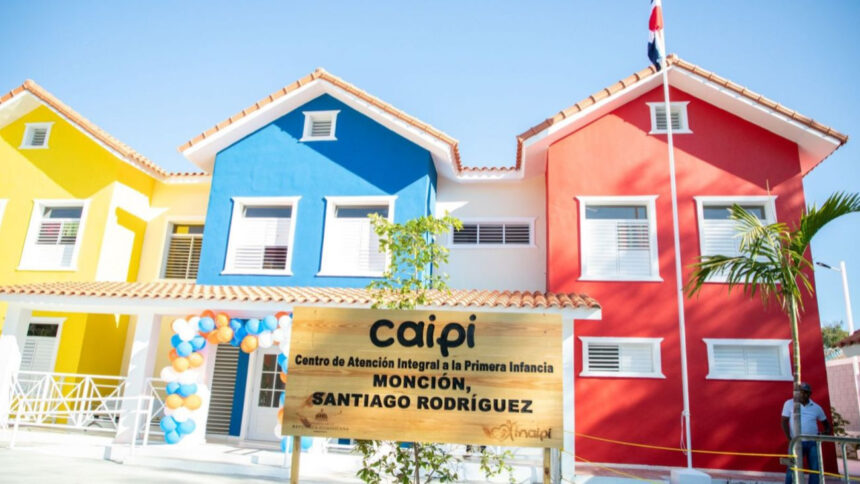
Likewise, the president has delivered schools, high schools, daycare centers, specialized educational centers, and new university extensions, strengthening educational infrastructure and expanding training opportunities for thousands of young people.
In the field of health, his management has promoted the remodeling, expansion, and construction of hospitals, diagnostic centers, primary care units, and other healthcare facilities, contributing to the strengthening of the public health network.
Housing, sports and social development
Another visible focus of the presidential tours has been the delivery of housing projects aimed at reducing the housing deficit and improving the quality of life for thousands of families. Programs such as Mi Vivienda and Familia Feliz have allowed numerous citizens to access their own home for the first time.
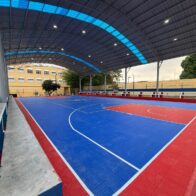
The promotion of sports has also occupied a relevant place on the government agenda. In different provinces, the president has inaugurated sports roofs, courts, stadiums, and other recreational facilities, with the purpose of encouraging sports practice and offering adequate spaces for the youth.
In addition to these initiatives, there are sanitation works, drinking water systems, aqueducts, sewage systems, boardwalks, parks, community centers, police stations, markets, electrification projects and other interventions aimed at improving the living conditions of the communities.
A constant presence in the regions
The South, North, East, and Northwest Line regions have been frequent settings for the president’s work sessions. In many cases, the visits have included inspections of works under construction, follow-up meetings with officials, and encounters with representatives of productive sectors.
You can also read:Abinader enacts law creating a national alert system to locate missing persons
Special attention has been received by the agricultural sector, where the ruler has maintained permanent contact with producers of rice, bananas, coffee, cocoa, tobacco, livestock, vegetables and other items.
These visits have served to announce support measures, supervise projects, and promote initiatives aimed at strengthening the food security and competitiveness of the Dominican agricultural sector.
A management model based on proximity
Analysts and observers agree that one of the most notable characteristics of the current administration has been the effort to maintain an active presence outside the National Palace.
The frequency of presidential trips has contributed to projecting an image of closeness to communities and direct follow-up on the commitments made by the Government.