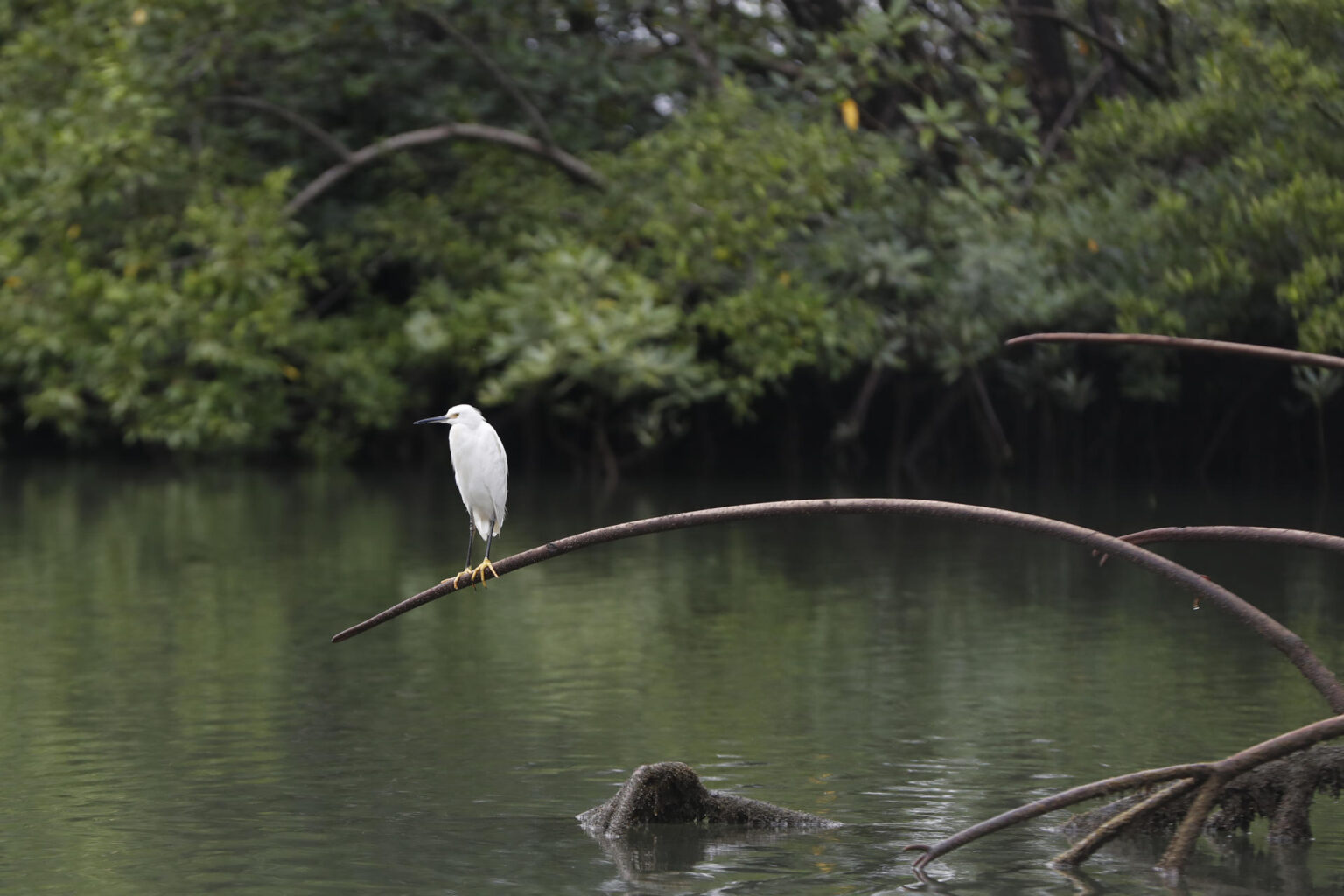

Huelva (Spain).- 60% of the marine ecosystems in Latin America are at serious risk due to overfishing and the destruction of key habitats such as corals and mangroves, which are vital for biodiversity and local economies, according to a report by the La Rábida Observatory of Sustainable Development and Climate Change for Latin America.
In the IV Report ‘Oceans in Latin America: Conserving and Restoring to Prosper’, prepared by the Observatory, based in Huelva (southern Spain), it is also noted that more than 100 marine species in the region are classified as vulnerable or endangered.
Read more: Scientists identify invasive plants in the ecosystems of the Andes
It is estimated that over 40 million people in Latin America depend directly on marine resources for their livelihood. The destruction of these ecosystems puts at risk both food security and the economic well-being of these communities.
The experts in the report conclude that “the oceans are essential for our survival, not only for the resources they provide us, but also for their key role in regulating the global climate. The restoration of our seas is not an option, it is a necessity for the future of humanity.”

The importance of these ecosystems will be the subject of debate by the international community from June 9 to 13 in Nice (France) within the framework of the Third United Nations Conference on the Oceans (UNOC3) with the purpose of accelerating action and mobilizing all actors to conserve and sustainably use the oceans.
The La Rábida Observatory, promoted by the Diputación de Huelva in alliance with the Ibero-American General Secretariat (SEGIB), the Ministry of Foreign Affairs, European Union and Cooperation of Spain and the Junta de Andalucía, as well as with the collaboration of the Universidad Internacional de Andalucía (UNIA), aims to promote greater awareness of the environmental challenges faced by Ibero-American countries.
The La Rábida Observatory, since 2018, has coordinated four environmental reports for the Ibero-American Summits with themes ranging from Climate Change and Sustainable Development, Innovation for sustainability, Food Systems and Oceans and seas.