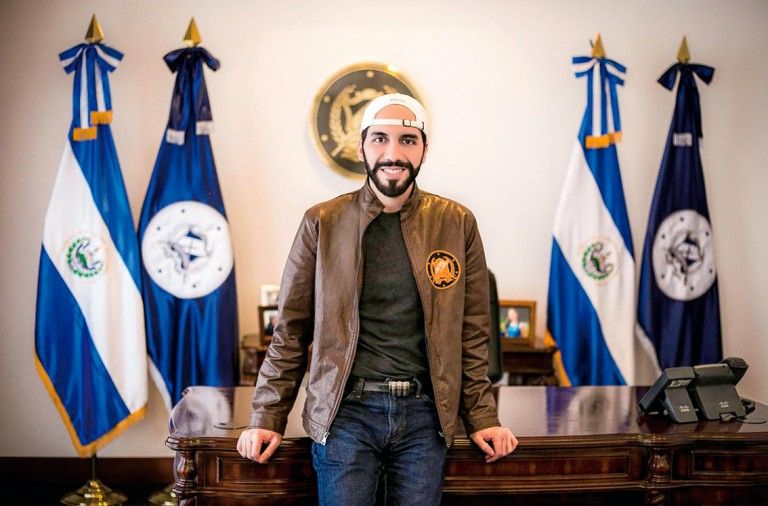
San Salvador. – Three years after its implementation, the state of exception regime promoted by the President of El Salvador, Nayib Bukele, maintains a 66.8% approval rating among Salvadorans, according to a
survey by the University Institute of Public Opinion of the Central American University José Simeón Cañas (Iudop).
The study gives an average score of 6.3 (on a scale of 0 to 10) to this measure, despite international criticism and complaints of alleged human rights violations, including deaths in state custody.
You can also read: They unveil busts in honor of Dominican restorers
The director of the
Iudop, Iliana Álvarez, highlighted that although the measure continues to be well-regarded, 37.4% of those surveyed consider it necessary to seek other solutions to violence and crime.
Since its approval in March 2022, the regime has allowed the capture of more than 85,900 alleged gang members or people linked to these structures, following a wave of assassinations that left more than 80 victims in a single weekend.
Organizations like
Amnesty International have described the regime as a “tool” to silence critical voices, while analysts warn that it has been transformed into a mechanism of permanent social control, beyond its exceptional nature.
About the Exception Regime:
Article 1 of the decree established in 2022 by the President of El Salvador, Nayib Bukele, and the Legislative Assembly of the country, establishes that: “This decree aims to provide the tools and legal mechanisms to the Public Security institutions, National Civil Police and Armed Forces of El Salvador, to restore order and citizen security and territorial control”.
This suspends several constitutional guarantees, including the extension of the provisional detention period, which goes from
72 hours to 15 days, and the intervention of communications without a court order, as established by the decree read during the plenary session.
This legal tool was implemented after an extreme surge in violence that left 62 homicides in a single day, at the request of the Executive.
Since then, authorities report that the measure has allowed the detention of approximately 87,000 people, as well as the seizure of more than 4,500 firearms, 1,451 vehicles, and more than 21,600 cell phones within the framework of operations against gangs and criminal structures.