

The first round of Haiti’s presidential and legislative elections, scheduled for this coming December 13, were postponed along with the constitutional referendum and will be held on July 18, 2027, due to the crisis the country is experiencing, the Provisional Electoral Council (CEP) reported this Wednesday.
The agency released an updated electoral calendar, which establishes that the runoff of these elections, postponed several times in recent years, will be held on October 4 of next year.
Since the beginning of the month, this decision had been expected, when the CEP extended the deadline for the registration of candidacies until October 31, but did not set a new date for the elections.
In the CEP’s new plan, the electoral campaign, which should have begun on October 5th, will start on April 15th, 2027, three months before the new date set for the elections.

“This updated calendar is intended to facilitate the continuation of electoral operations under conditions that allow the concerned actors to fulfill their obligations in compliance with the provisions of the legal framework,” notes a statement accompanying the new calendar.
Successive postponements
These elections should have been held on August 30, but due to the deep political and security crisis in Haiti, marked by the violence of armed gangs and the difficulties in restoring institutional stability, they were postponed to December 13 of this year, a date now replaced by July 18, 2027.
Haiti held its last elections in 2016, when voters elected Jovenel Moïse as president. Moïse took office in February 2017 and Colombian mercenaries assassinated him on July 7, 2021, at his residence in Port-au-Prince.
The Provisional Electoral Council underscored today its “will to continue the execution of the electoral process with dialogue, professionalism and rigor, with a view to the organization of inclusive, credible and transparent elections.”

All of this “in strict respect for the principles of electoral independence and integrity, as well as the right of every citizen to participate in the democratic life of the country”.
Political instability in Haiti
Since the assassination of Moïse, the country has had no elected officials in its administrative structure, where transitional governments have followed one another without managing to organize elections.
The current leader of the country is Prime Minister Alix Didier Fils-Aimé, who has been serving in an interim capacity since November 10, 2024.
Fils-Aimé has had to govern a country in which the violence of armed gangs subjugates the population, while they control most of Port-au-Prince and the Gang Suppression Force (GSF) fights them. The UN Security Council created this force in September 2025 and, upon its one-year anniversary, renewed its mandate for six more months.

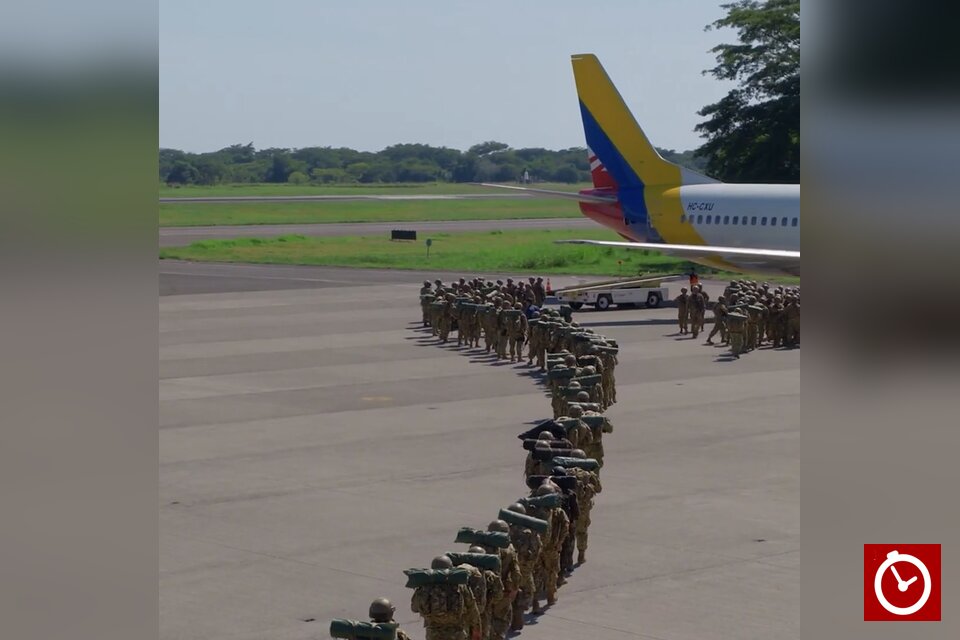
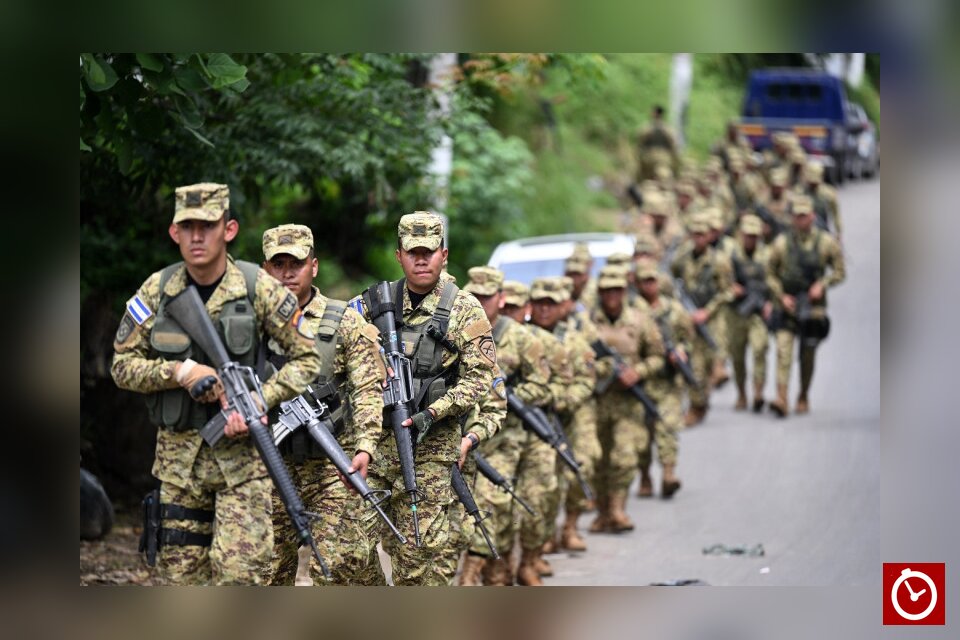
The new postponement of the elections also occurs while hundreds of Salvadoran soldiers are in the Haitian capital to try to locate four of their colleagues who were part of the GSF and who disappeared on October 18, when armed gangs ambushed them on the outskirts of Port-au-Prince.