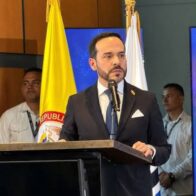
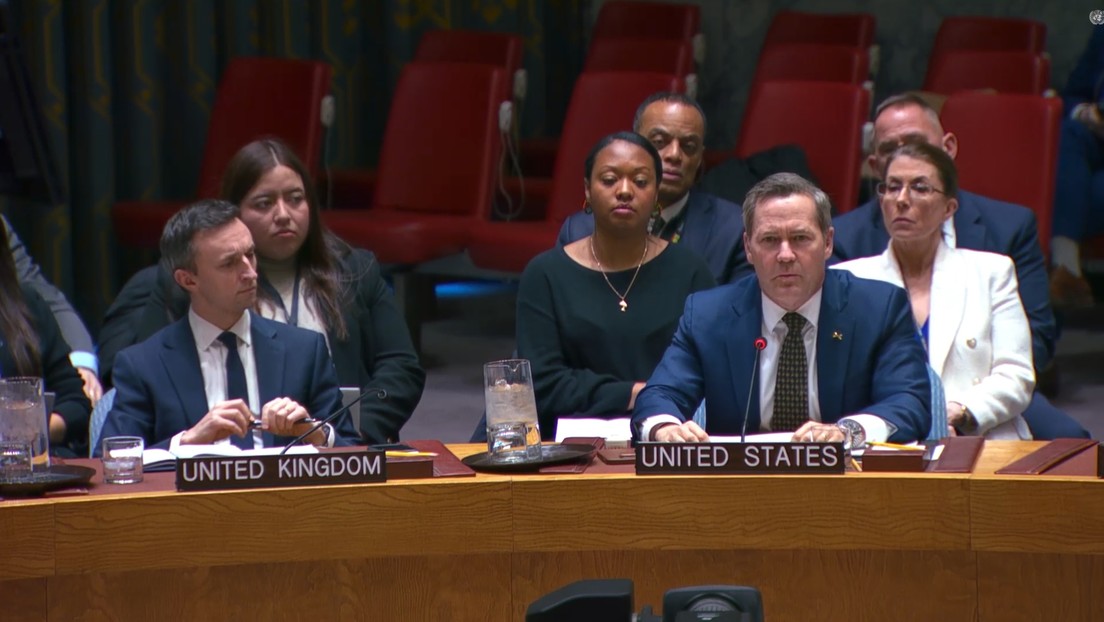
The U.S. delegation to the United Nations Security Council ratified this Tuesday that it will maintain unilateral sanctions against Venezuela, after raising the tone even further against the government of the president of the South American country, Nicolás Maduro. “We will impose and enforce sanctions to the fullest extent to deprive Maduro of using resources to finance the Cartel of the Suns and the Train of Aragua,” said the U.S. ambassador to the United Nations (UN), Michael Waltz.
You may be interested in: http://Venezuela en ONU: EEUU quiere imponer una colonia en Venezuela con bloqueo de petroleros
In the same tone as the American president, Donald Trump, the diplomat stated that the Republican Administration “will use all the power of the U.S.” to combat the cartels in the region, despite the fact that until now Washington has not presented reliable results of the fight against that scourge in the Caribbean. Similarly, the diplomat did not present evidence of his statements against the Government of Venezuela, outlined in the largest body dedicated to maintaining world peace. Instead, he asserted that the South American country “is the main route for illicit drugs in the Western Hemisphere”, despite data from international organizations disproving that statement. “We do not recognize Nicolás Maduro or his henchmen as the legitimate Government of Venezuela,” said Waltz, who called the president “a fugitive from US Justice.”Venezuela under siege by the U.S.
Since last August, the U.S. has maintained the largest military deployment of the last decades in the Caribbean waters, with a sustained presence of naval and air assets. Initially, Washington justified this operation under the argument of the supposed fight against drug trafficking, holding the Maduro government responsible without presenting evidence, for contributing to that crime.

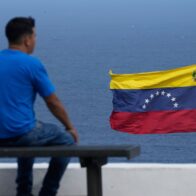
Faced with these actions, Caracas announced that it would go this Tuesday to the United Nations Security Council to denounce what it calls military aggressions by the U.S. and a violation of international law.
From Russia, they have repeatedly expressed their support for the South American nation and have called for full respect for international law. Thus, the Russian President, Vladimir Putin, in a telephone conversation held in early December with his Venezuelan counterpart, manifested his “solidarity with the Venezuelan people” and “reaffirmed his support for the course of the Government” of Maduro, “aimed at defending national interests and sovereignty in conditions of increasing external pressure”. He also stressed that Venezuela “deserves absolute respect in its legitimate struggle for the defense of its sovereignty and independence”. Previously, the Venezuelan president sent a letter to the member states of the United Nations, in which he warned about “an escalation of extremely serious actions by the U.S. Government.” In the letter, he warned that these operations threaten to destabilize the entire Caribbean region and the international system as a whole.