
Was the United States military intervention in Venezuela legal according to the United Nations Charter?

4:31 pm
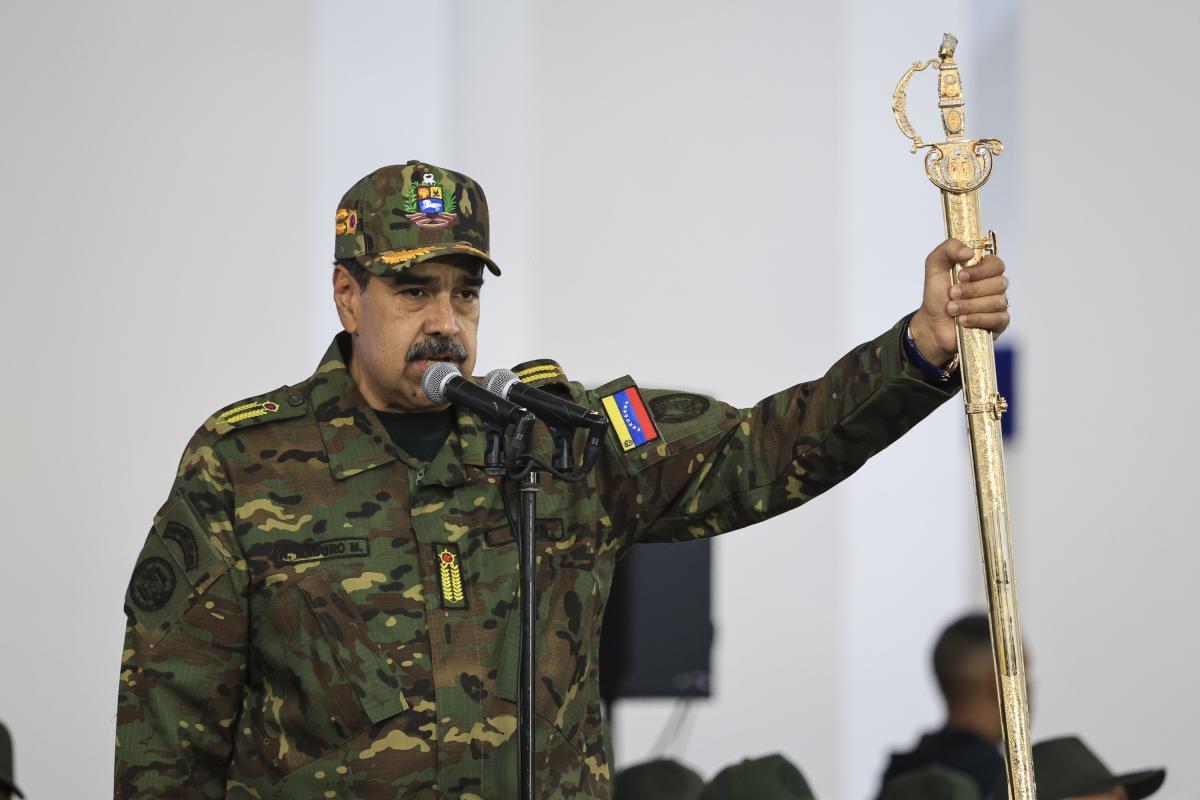
Caracas.– The military intervention executed by the United States on the morning of Saturday, January 3, 2026, in Venezuelan territory, which culminated in the capture of President Nicolás Maduro, has opened one of the most delicate legal debates of recent times: Did this action violate the United Nations Charter and current international law?
The operation, confirmed by US President Donald Trump, was carried out without prior authorization from the United Nations Security Council (UN) and without any public evidence of a prior or imminent armed attack by Venezuela against the United States being presented.You may be interested in: http://Arrestos, secuestros y capturas de jefes de Estado o de Gobiernos a la fuerza
The Core Principle: Prohibition of the Use of Force
The Charter of the United Nations, in its Article 2, paragraph 4, categorically states that: “All Members shall refrain in their international relations from the threat or use of force against the territorial integrity or political independence of any state.” Under this principle, any military intervention in a sovereign state is illegal, unless it falls under two strictly defined exceptions:- Express authorization from the Security Council.
- Exercise of the right to legitimate defense against a real and imminent armed attack.
So far, none of these conditions have been publicly confirmed in the Venezuelan case.
Self-defense? A legally weak argument
Washington has justified the capture of Maduro on charges of drug trafficking and transnational crime. However, international law does not recognize criminal offenses as an automatic justification for foreign military intervention, and even less so for the forced capture of a head of state in office. Experts in international law agree that legitimate defense can only be invoked in the face of an immediate military threat, not against judicial investigations or criminal charges, no matter how serious they may be. In this case, it has not been demonstrated that Venezuela has executed or prepared an armed attack against the United States.The Capture of a Head of State: A Critical Point
Another central element of the legal debate is the detention of a sitting president through a foreign military operation. Customary international law recognizes the personal immunity of heads of state, precisely to prevent political conflicts from leading to unilateral armed actions. Although this immunity is not absolute —especially before international courts—, its lifting cannot be done through the use of military force from another State, but rather through multilateral judicial mechanisms or international resolutions.Guantánamo and Due Process
The information that Maduro would initially be transferred to the US base in Guantanamo adds another layer of legal concern. This facility has been the subject of international criticism for detentions without due process, which reinforces doubts about respect for human rights, judicial guarantees and international treaties signed by the United States.An act of aggression under international law?
In light of the UN Charter, numerous jurists consider that the operation could fit the definition of “act of aggression,” as it involves:- Use of armed force in the territory of another State.
- Lack of authorization from the Security Council.
- Absence of proven self-defense.
- Direct impact on the political independence of the intervened country.
A Dangerous Precedent
Beyond the Venezuelan case, the intervention raises a greater concern: if a power can militarily capture a foreign head of state without multilateral endorsement, the collective security system designed after the Second World War is seriously weakened. International law, based on the United Nations Charter, was created precisely to prevent force from replacing diplomacy and law. The way the international community responds to this fact will set a key precedent for the future of the global order.
Periodista, diplomático y productor audiovisual. Director y co-creador de De Último Minuto.


#Most read
- 1.Armed men attack U.S.-flagged vessel in Haiti’s Port-au-Prince Bay
- 2.5D Cinema in Japan surprises the world with an immersive experience that goes viral
- 3.Solange Omon, from Cameroon, is chosen as the new Victoria’s Secret angel
- 4.VIDEO: Witnesses say man prayed and bowed to tiger before fatal zoo attack in England
- 5.Now in Italy! Riots erupt in Milan as protesters loot stores and clash with police
- 6.VIDEO: Guatemalan teenager wakes up inside her coffin after being presumed dead
- 7.VIDEO: iPhones and luxury perfumes float in the Strait of Hormuz after cargo ship sinks
- 8.Iguazú Falls surge forces closure of Devil’s Throat walkway in Brazil
- 9.Dominican man shot by ICE in the Bronx had robbery conviction and pending drug charges
- 10.The Panama Canal begins evaluation of companies interested in building two ports

Newsletter
Subscribe to our newsletter to receive our latest articles instantly!