Every 28th of May is celebrated worldwide the International Day of Play, a date designed to remember and highlight the importance of play in human life, not only in childhood, but throughout all stages of existence. More than a simple recreational activity, play is a fundamental expression of human development, creativity, socialization, and emotional well-being.
Origin and evolution of the celebration
The initiative to establish a day dedicated to play dates back to 1999, when the International Toy Libraries Association (ITLA) proposed the idea to raise awareness about the right to play.
The first official commemoration took place in the year 2000; since then, this day has grown in importance and scope, resulting in more than 40 countries actively participating in activities that promote play as a fundamental right.
The impetus for this celebration arises at a time when increasing urbanization, digitalization, and educational and labor demands have reduced the time and space dedicated to free play, especially in cities.
Why is play so important?
Generally, we tend to associate play exclusively with childhood. In fact, in our culture, playing is related to childhood, and as we grow older, we tend to relegate this activity to the background, prioritizing responsibilities and obligations. However, play does not disappear with age, but rather transforms and adapts, preserving its therapeutic, social, and cognitive value.
Play is vital for the integral development of the human being. In children, it fosters creativity, imagination, problem-solving, and the acquisition of social skills. But also in adolescents and adults, play continues to be a way for learning, stress management, and connection with others.
Furthermore, the game has proven benefits for mental health, helping to relieve stress, stimulate motivation, and generate happiness. In recent times, with the increase in stress and anxiety derived from the pandemic and the accelerated pace of life, recognizing the game as a tool for well-being has become even more relevant.
International Support: Rights and Conventions
One of the pillars supporting International Games Day is Article 31 of the Convention on the Rights of the Child, adopted by the United Nations in 1989. This article clearly states that every child has the right to rest, leisure, play and to participate in cultural and artistic activities appropriate to their age.
This legal recognition is key, as it not only underlines the importance of play for childhood development, but also obliges states to guarantee conditions for that right to be fulfilled. Through public policies, safe spaces, and educational programs, countries are committed to facilitating access to free and creative play for all children.
The game as a universal language and social connector
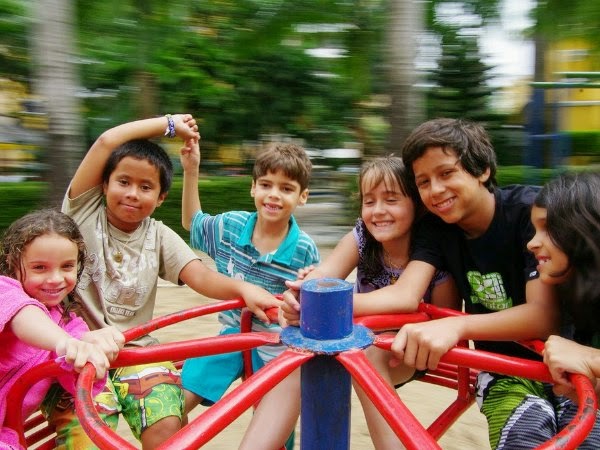
The game transcends cultures, languages, and borders. It is a universal language that allows communication and expression without the need for words. In diverse communities, playing together creates bonds, promotes respect, cooperation, and empathy.
This aspect is fundamental in an increasingly globalized and digitized world, where face-to-face contact and quality time with others may diminish. Play offers an opportunity to strengthen social cohesion and promote fundamental values such as inclusion and diversity.
Celebrations and Activities Around the World
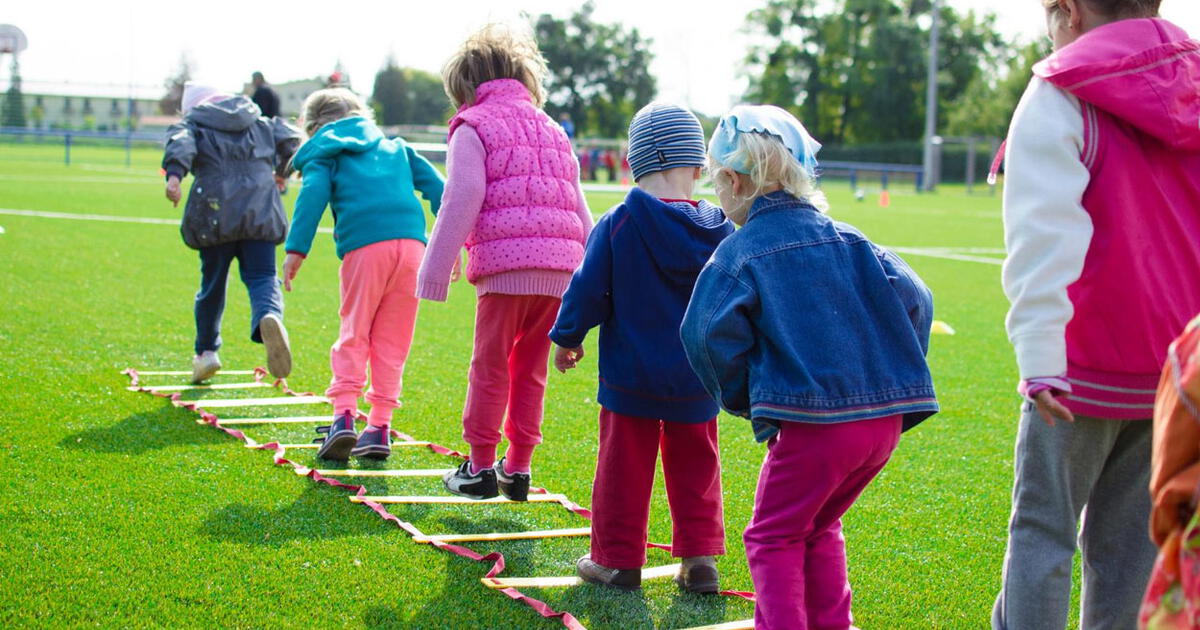
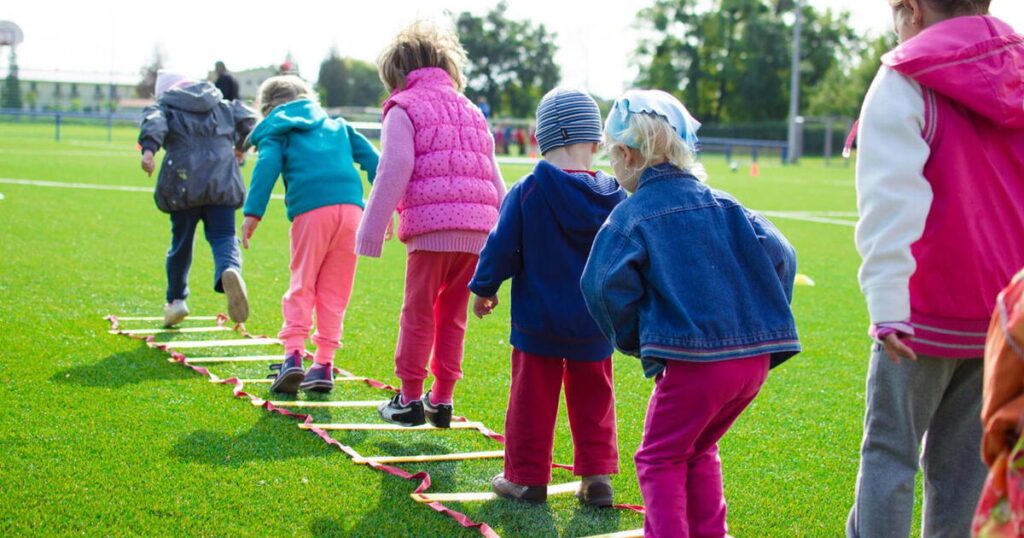
During International Games Day, organizations, schools, parks, game libraries, and communities organize multiple activities to promote play. Workshops, traditional games, intergenerational meetings, toy fairs, sports competitions, and cultural events are just some of the ways this date is celebrated.
Furthermore, this day invites reflection on the need for adequate spaces for children and adults to play, such as parks, plazas, and recreational centers, as well as the importance of allowing the necessary free time for this activity in daily life.
In many countries, International Games Day is also an opportunity to raise awareness about the dangers faced by children in vulnerable contexts, where play may be restricted by factors such as poverty, violence, or lack of infrastructure.
The Game at All Ages: Not Just for Kids
While childhood is the stage where play has an essential role in development, experts in psychology and education emphasize that play is a healthy and necessary activity at all ages.
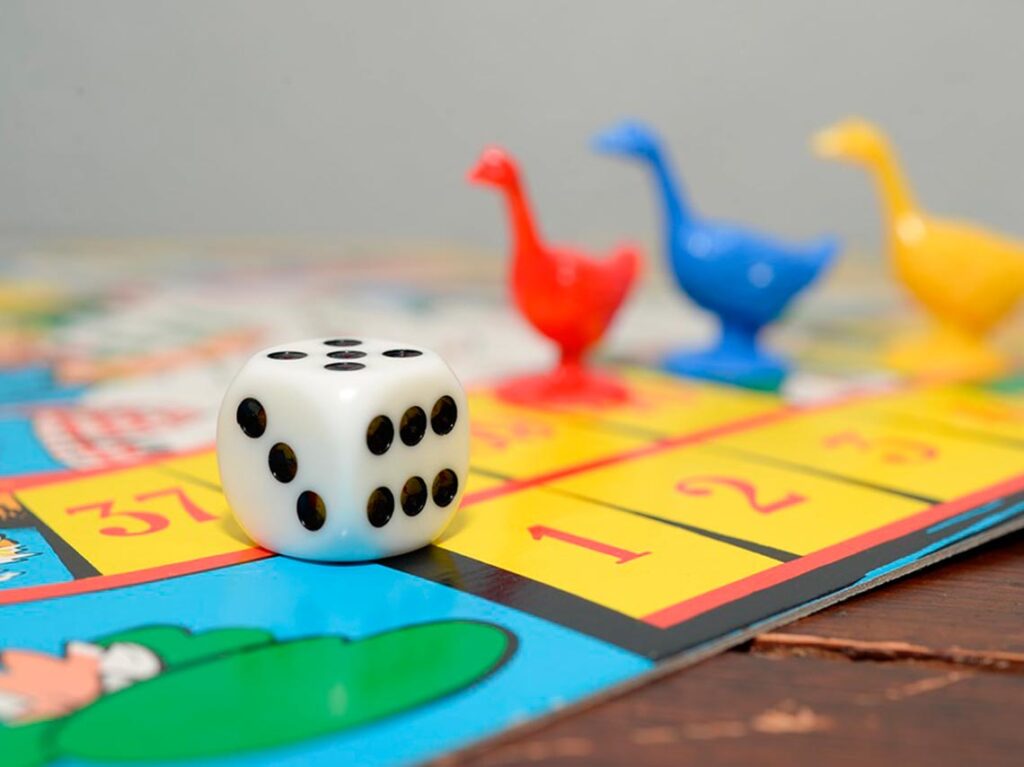
Adults can benefit from play through recreational activities, sports, board games, video games, theater, dance, and any playful expression that allows them to disconnect, stimulate the mind, and connect with others.
In this sense, promoting a culture that values play throughout life is a challenge for modern societies. International Play Day also seeks to break down the stigmas that associate play with frivolity or immaturity, claiming it as a key component for a balanced and fulfilling life.