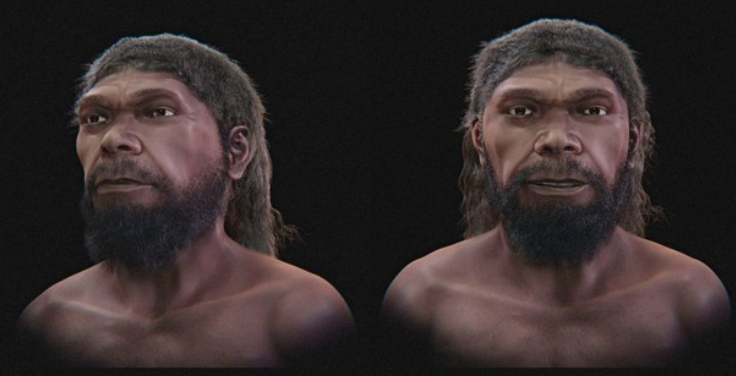

Fossil remains discovered in caves in southern China may point to the existence of a previously unknown group of ancient humans that lived at least 101,000 years ago and may have coexisted with Denisovans.
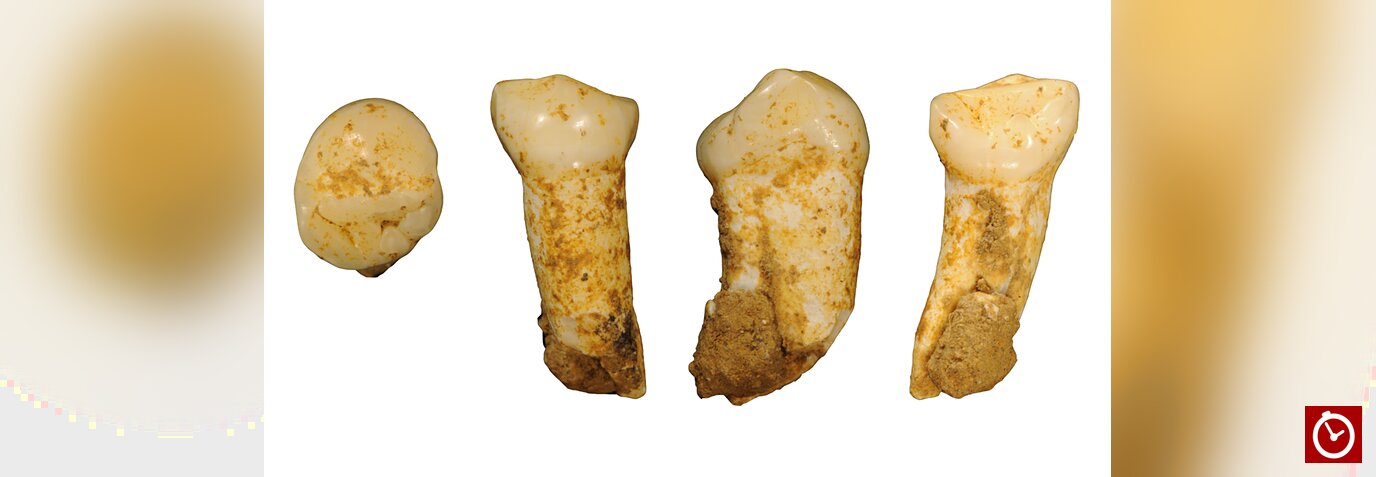
An international team of researchers led by China’s Institute of Vertebrate Paleontology and Paleoanthropology reached this conclusion after examining human teeth recovered from archaeological sites in the Longchuandong and Chuanshandong caves, in the Guangxi region.
Two teeth from Longchuandong were identified as belonging to Denisovans. However, two others found in Chuanshandong did not closely match any established member of the Homo genus known from East Asia, according to the study published in the journal Nature.
A possible new branch of the human family tree
Protein analysis indicated that the Chuanshandong specimens formed a sister group to the common ancestors of Neanderthals, Denisovans and modern humans (Homo sapiens).

The researchers said the findings suggest that at least two non-sapiens human populations may have inhabited the subtropical regions of southern China during the Middle and Late Pleistocene.
However, scientists cautioned that it is too early to classify the remains as a new human species. Qiaomei Fu, co-author of the study, told Live Science that researchers could provisionally refer to the group as the “Chuanshandong group,” but additional fossil and molecular evidence is needed to determine its relationship to other archaic humans.
Fu also noted that it remains unclear whether these individuals were direct relatives of modern humans.