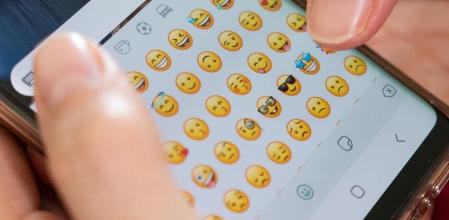



Emojis have become a universal language that transcends cultural and linguistic barriers. These small, expressive pictograms have revolutionized the way we communicate online, adding a touch of emotion and fun to our digital conversations. And today, July 17th, we celebrate World Emoji Day.
“World Emoji Day”, as it is said in English, is an opportunity to recognize the significant impact these icons have had on our digital lives. It was established with the purpose of promoting diversity, inclusion, and creativity in the use of emojis. Since its creation in 2014, this day has gained popularity and has become a global celebration.
They are much more than simple images on our virtual keyboards, they represent a form of emotional expression and allow us to convey feelings, ideas, and even tell stories without the need to use extensive words. From smiley faces and hearts to animals, food, objects, and gestures, they provide us with a quick and fun way to communicate online.

Emojis have become an essential part of modern digital communication, used daily by millions of people to express emotions, ideas, or reactions without the need for words.
According to the most recent global rankings, the most used include the face with tears of joy 😂, the red heart ❤️, the smiling face with heart-eyes 😍, the folded hands 🙏, and the fire 🔥. These icons reflect universal feelings such as humor, love, gratitude, and admiration, consolidating themselves as a visual language that transcends cultures and borders.
Platforms like WhatsApp, Instagram, and X (formerly Twitter) record millions of these symbols daily, setting trends that even vary by region, age, and social context.
An important aspect of this day is the promotion of diversity and inclusion.

Over the years, work has been done to reflect the variety of people and cultures in the creation of new versions. This has led to the inclusion of icons representing different races, genders, sexual orientations, disabilities, and more. This linguistic and cultural diversity allows us to communicate in a more inclusive and respectful way.
During this celebration, various platforms and technology companies launch updates with new versions or promote interactive activities related to them. In addition, users of social networks and messaging applications actively participate by sharing their favorites, creating art, and even organizing themed contests and challenges.
World Emoji Day invites us to reflect on the power of communication and the importance of emotional expression in our digital life.
As our interactions become more digital, let us remember that behind every emoji there is a real person with unique feelings and experiences. Emojis can be a powerful tool for building bridges of understanding and empathy in an increasingly connected world.
In summary, on World Emoji Day we celebrate the diversity, creativity, and the way these small icons have transformed the way we communicate. It encourages us to use emojis to express our emotions and connect with others.

Fun facts:
- Oxford Dictionary chose an emoji as word of the year: In 2015, the 😂 face with tears of joy emoji was chosen as the Word of the Year, marking the first time a non-textual symbol received that honor.
- They have their own approval committee: The Unicode Consortium is in charge of approving new emojis. Anyone can submit a proposal, as long as it meets technical and cultural criteria.
- Cultural and regional change: The same emoji can be interpreted differently depending on the country. For example, the 🙏 gesture is understood as prayer in Latin America and as gratitude in Japan.
- Each platform designs them differently: Although emojis are standardized by Unicode, the design varies between Apple, Google, Samsung, Twitter, etc., which can lead to misunderstandings in communication.
- Used in marketing and official campaigns: Many brands, organizations, and governments incorporate them into their institutional messages, including in public health or educational campaigns.