China dismantles two networks that trafficked blood samples from pregnant women

7:42 am
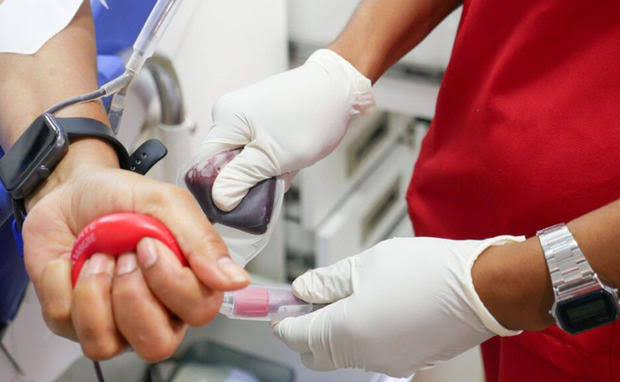
Authorities in China have dismantled two networks in the southeastern city of Guangzhou dedicated to the cross-border smuggling of blood samples from pregnant women, an illicit operation with ramifications in 23 provinces and a volume of biological material exceeding 100,000 samples.
According to information provided by Canton Customs, cited this Wednesday by the local press, the investigation recently culminated with a coordinated operation in Canton, Foshan and Shenzhen, which resulted in the arrest of 26 suspects.
Of them, nine have already been formally arrested following the approval of the prosecution, while the case continues under investigation.
You can also read: Trump orders total blockade of sanctioned oil tankers entering and leaving Venezuela
Preliminary investigations indicate that the dismantled groups had obtained illegal profits exceeding 30 million yuan (4.2 million dollars, 3.6 million euros) through the clandestine export of blood samples from pregnant women, a material that contains genetic information and whose export is subject to strict administrative control in China. The investigation dates back to 2022, when the departments of anti-smuggling, risk control, and customs inspection began to monitor cases of irregular export of biological samples detected at different border points. The analysis of information obtained on the internet allowed the identification of groups that used digital platforms to offer services such as genetic screenings or fetal sex determination tests, prohibited by Chinese regulations when there is no medical need. According to the investigation results, the networks offered these services through advertisements on social media, with prices usually around 2,500 yuan (354 dollars, 302 euros). After agreeing on the payment, the women were instructed to obtain the blood sample on their own, resorting to acquaintances or certain medical services available on online health platforms. The authorities, cited by local media, described a structured process that included the recruitment of clients via the internet, the collection of samples through courier services, their temporary storage and, finally, their illegal transfer out of the country. To evade border controls, those involved hid the test tubes attached to their bodies or in specially prepared compartments in their luggage. During the investigation, cases of leaks and pipe ruptures were detected, and some samples contained infectious diseases, so the researchers warned of the increased risk of pathogen transmission through this contraband.
We are a multiplatform outlet offering news and television content. The fastest-growing news outlet in audience in the history of Caribbean communication.



#Most read
- 1.Metastases reportedly disappear in first patient treated with Russia’s experimental cancer vaccine
- 2.Giancarlo Miguel Tejada denies allegations of sexual assault against niece while being transferred to the Palace of Justice
- 3.84% of teenage girls in Spain fear that AI will use their photos to create fake sexual content
- 4.Apple equips its AirPods with translation in English, Spanish, Portuguese, French, and German
- 5.NASA launches three missions to map the heliosphere and study the solar wind
- 6.Nvidia: From Video Games to the World’s Summit as a Colossus of Artificial Intelligence
- 7.Roberto Ángel Salcedo heads the first preparatory meeting for the 2026 carnivals
- 8.VIDEO: Tragedy in Argentine soccer: 18-year-old Abel Núñez dies after suffering head trauma
- 9.Man steals giant golden Jesus statue from church and smashes it while posing for a photo
- 10.VIDEO: Plane crashes at Maldives airport, leaving crew member injured

Newsletter
Subscribe to our newsletter to receive our latest articles instantly!
This site is protected by reCAPTCHA and the Google Privacy Policy and Terms of Service apply.