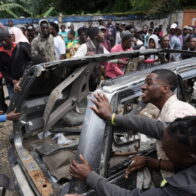
Iran did not comment on the matter. Supporters say Mohammadi has been on hunger strike since February 2nd and ended it on Sunday after her sentencing due to her deteriorating health. She had been arrested in December at a ceremony honoring Khosrow Alikordi, a 46-year-old Iranian lawyer and human rights defender who had been based in Mashhad. Images of the demonstration showed her shouting, demanding justice for Alikordi and others.

You can also read: Trump threatens more tariffs on countries that trade with Iran
Supporters had warned for months before her arrest in December that Mohammadi, 53, was at risk of being returned to prison after receiving a leave in December 2024 due to medical concerns.Although that was supposed to be only for three weeks, Mohammadi’s time outside of prison was extended, possibly while activists and Western powers pressured Iran to keep her free. She remained out even during the 12-day war in June between Iran and Israel.
Mohammadi continued her activism with public protests and appearances in international media, even demonstrating at one point in front of the notorious Evin prison in Tehran, where she had been detained. Mohammadi had been serving 13 years and nine months on charges of collusion against state security and propaganda against the Iranian government. She had also supported the national protests triggered by the death of Mahsa Amini in 2022, in which women openly defied the government by not wearing the hijab, a headscarf that covers the hair. Mohammadi suffered multiple heart attacks while imprisoned before undergoing emergency surgery in 2022, her supporters say. Her lawyer in late 2024 revealed that doctors had found a bone lesion they feared could be cancerous, which was later removed. “Considering her illnesses, she is expected to be temporarily released on bail so that she can receive treatment,” Nili wrote. However, Iranian authorities have shown a tougher stance against all dissent since the demonstrations.