Rains, floods, and evacuations marked this July 11 in Alta Verapaz, where more than 7 thousand people were affected and authorities are maintaining their response to an emergency that may extend, as rainfall is forecast to continue across the national territory.
The National Coordinator for Disaster Reduction recorded this impact in several municipalities of the department. The most affected sectors are Chahal, Fray Bartolomé de las Casas, and San Cristóbal Verapaz, where water entered homes and forced entire families to relocate.
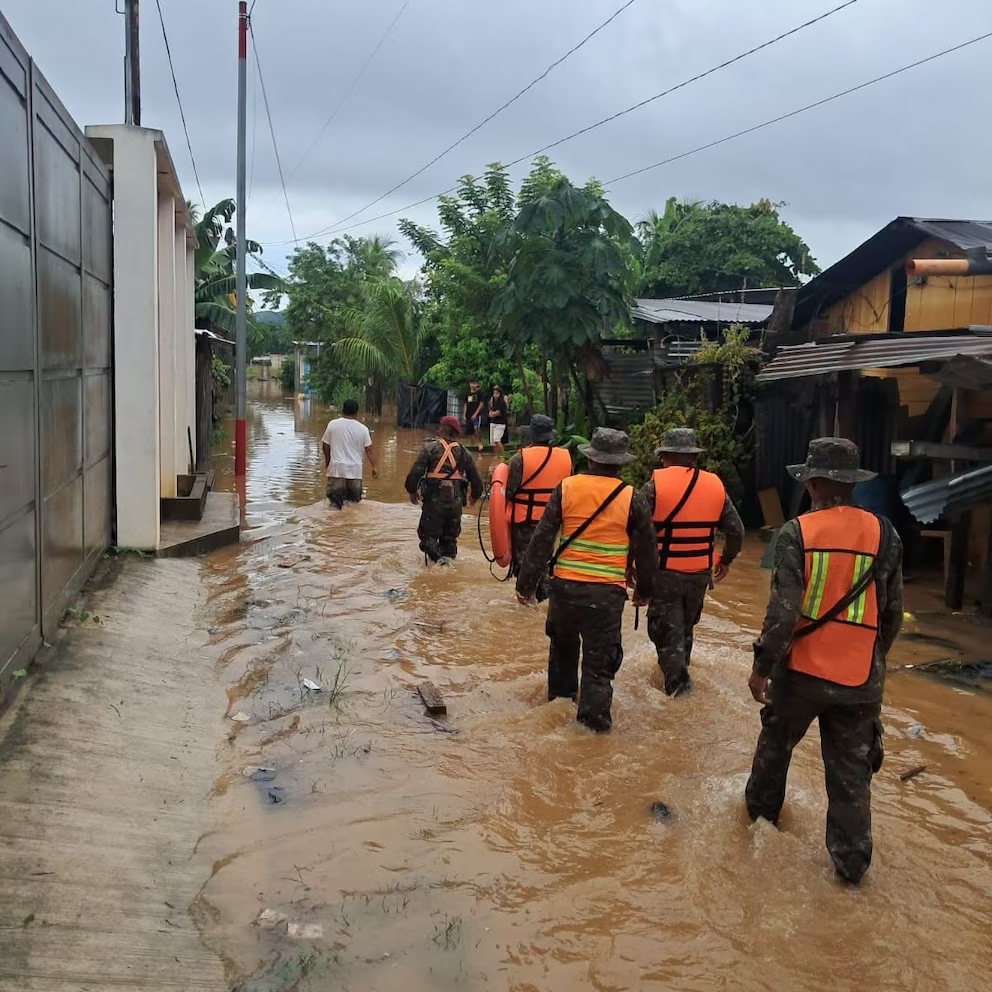
In Fray Bartolomé de las Casas, the Municipal Departmental Firefighters continue with evacuations in flooded neighborhoods and communities. Among the areas identified by the rescuers are Los Laureles, La Vilmita, Santa Rosa, the Chinacobejá community, and the María del Carmen sector.
The transfer of those affected is being carried out to the homes of relatives, to the community hall of the La Vilmita neighborhood, and to the House of Culture of Fray Bartolomé de Las Casas. Emergency units remain deployed in the flooded areas to assist the population. Rescue personnel walk through a street with knee-deep water in a residential area affected by a flash flood.
We recommend reading:
More Read

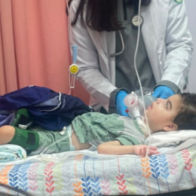
The Guatemalan Army supports care within the Fray Bartolomé de las Casas hospital
The Guatemalan Army reported that personnel from the Sixth Infantry Brigade “CAJDI” are providing humanitarian aid within the Fray Bartolomé de las Casas National Hospital, in Alta Verapaz, as part of the relief efforts resulting from the flooding caused by heavy rains.
The institution indicated that these actions are part of the coordinated work to support the population during the emergency. Military support is concentrated inside the healthcare center, in parallel with the rescue and evacuation tasks being carried out by relief agencies in the municipality.
The emergency also affects land mobility. The accumulation of rain left several kilometers of road underwater on the stretch between Chahal and Cadenas, which complicates passage in that sector.
More Read

That chart directly answers the central question of the emergency: who is affected and what is happening. In Alta Verapaz, thousands of people are suffering from flooding in their homes, while firefighters, civil protection authorities, and military personnel are carrying out evacuations, providing assistance, and attending to public infrastructure.

Livingston and El Estor exceed 90% soil saturation
Outside of Alta Verapaz, the immediate risk is also concentrated in Izabal. According to the National Institute of Seismology, Volcanology, Meteorology and Hydrology, the municipalities of Livingston and El Estor show soil saturation equal to or greater than 90% in the top layer, up to 30 centimeters deep.
According to Insivumeh, this condition favors the runoff of rain directly into rivers, streams, creeks, and ditches. The result is an increased possibility of flash floods, flooding in different areas, and ground instability with a risk of landslides.
The scientific body also warned that continuous rainfall could occur in that area of the country’s Caribbean for six hours, a volume that considerably increases the amount of accumulated water. For this reason, it recommended remaining alert for flash floods and sudden inundations.
Several wooden structures and a dirt path are covered by mudslides amidst dense vegetation.
Monitoring also identifies other vulnerable areas, especially the Northern Transversal Strip and the Polochic River area. Even so, the highest level of risk is located in the Caribbean municipalities mentioned by Insivumeh.
More Read

Guatemala’s rainy season leaves 23,944 affected and nine dead, according to Se Conred
This Saturday morning it was reported that the rainy season in Guatemala has left, from April 19 to this July 11, a toll of 23,944 people affected, nine deaths, and 796 emergencies attended, an impact that is heavily concentrated in Alta Verapaz and also reaches roads, bridges, schools, and electrical grids, according to the update from the National Coordinator for Disaster Reduction.
The official report adds that 236 roads and 12 bridges show damage, along with 18 schools, three public buildings, and nine electrical power grids affected. The battered infrastructure accompanies a human toll that includes 11,589 evacuees and 616 people sheltered.
CONRED also reported 5,448 families affected and 4,875 victims. The agency recorded three people injured, seven hospitalized, and four missing in incidents associated with weather conditions.
Housing is among the most widespread damage from the rainy season. Of 5,056 homes with some level of impact, 4,533 suffered moderate damage, 232 slight damage, and 110 severe damage, while 181 remain at risk and, as of the report’s cutoff, no destroyed homes were recorded.