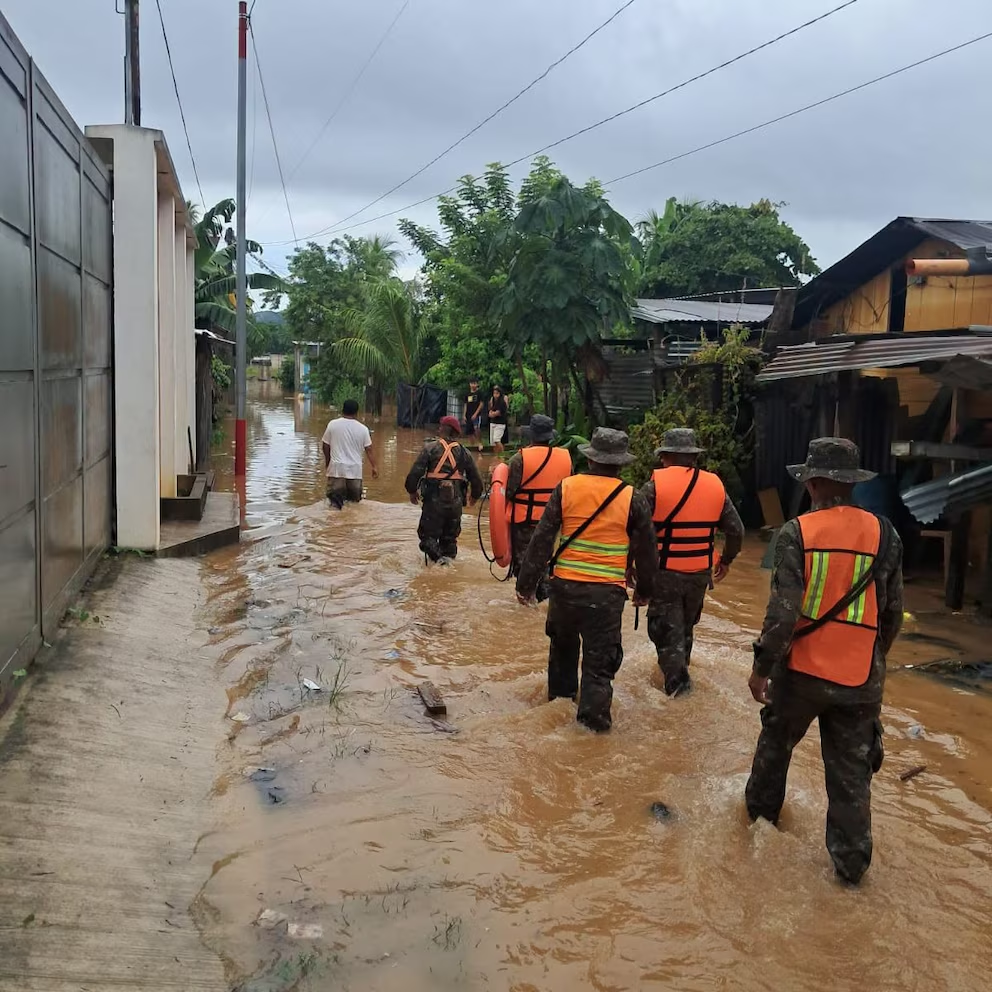



Tokyo.- Japanese authorities issued preventive evacuation orders this Thursday for nearly 41,000 people in the central prefecture of Toyama, due to the risk of landslides as a result of the heavy rains recorded in the area.
The city of Himi issued an evacuation order at 7:56 local time (22:56 GMT Wednesday) for its 17,149 households and 40,480 residents, according to the Japanese television network NHK.
The northern city of Aomori, for its part, issued evacuation orders for more than 500 people during the early hours of the morning, warning of the high risk of flooding from the river that runs through the city.
Government spokesperson Minoru Kihara confirmed one person was slightly injured and homes were flooded. He also said during his daily press conference that a landslide occurred on a road in the area, which caused temporary isolation of the area, but the situation has already been resolved.

In the last few hours, intermittent rains were recorded from the north of the Asian country’s main island, Honshu, to the center, especially in the part facing the Sea of Japan, so authorities recommended extreme caution.
You can also read: A 5.9-magnitude earthquake shook the Tokyo region and triggered alerts in eastern Japan
In this context, Japanese Prime Minister Sanae Takaichi announced on Wednesday that she has set up an information room at the crisis management center and asked the population to pay attention to disaster prevention weather information, taking early measures to protect their lives.
“The rains will continue intermittently, with the risk that the total amount of rainfall will be considerably high. In a wide region, from day 3 (Thursday) to around day 6 (Sunday), it is necessary to be alert for possible disasters due to landslides, flooding in low-lying areas, and river overflows,” he said.
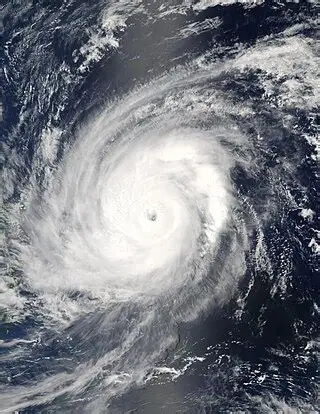
The Japan Meteorological Agency (JMA) forecasts that heavy rains will continue across a wide area of the archipelago, moving southward, where the influence of a weather front is compounded by the effects of a new typhoon approaching Okinawa.