

A report by Unesco and the Spanish La Caixa Foundation warns of the “unequal” impact of warming in different territories and warns that 2.5 billion people could be exposed to extreme weather conditions in 2050.
The study further points out that 239 million of them are in conditions of extreme poverty, “with no or little chance of overcoming their precarious socioeconomic situation in increasingly threatening climate scenarios,” which will make it necessary to protect the most vulnerable.This is one of the findings from the report ‘Who Bears the Cost? How to Address Inequalities Arising from Climate Change and Climate Action’, presented this Wednesday in Barcelona (east of Spain).
The report aims to highlight and address the “deep inequalities” social and economic that have been “aggravated” by climate change and that have been introduced into current climate policies.Read more: Popular donates national heritage books to UNESCO for schools
Results
The lead author of the report, Rodolfo Lacy, has explained that the research presents a set of composite indices that assess how different sectors and populations will be affected in the climate scenarios of the mid-century.The results indicate that there are “significant inequalities” in terms of exposure to climate risks and the capacity to adapt, especially among marginalized and low-income groups.

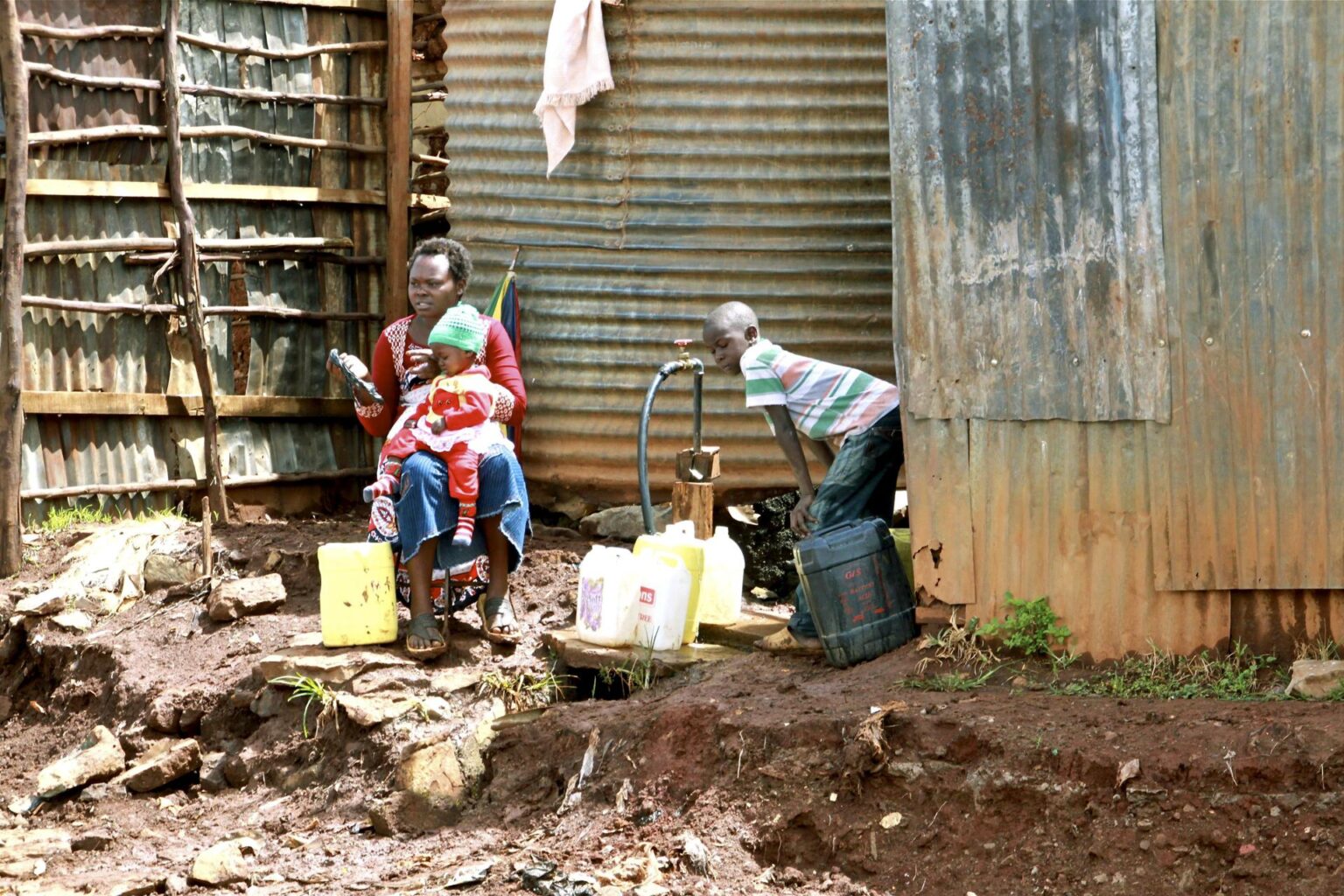
In fact, the analysis indicates that the global south bears an “unequal” burden in the face of climate change, based on data such as the fact that 3.6 billion people live in areas highly vulnerable to the effects of climate change or that 2.5 billion people could be exposed to extreme heat in 2050, of whom 239 million are in conditions of “extreme poverty” and with temperatures above 35 degrees for more than 12 weeks a year.
According to the study, indigenous peoples, children, informal workers, and women, of whom 1.4 billion will be directly affected between 2040 and 2060, suffer a “higher” risk.
“If equity and justice are not placed at the center of climate agendas, there is a serious risk of exacerbating current inequalities, undermining global stability, and hindering the shared goal of sustainable development. The imperative for inclusive and equitable climate action has never been more pressing,” Lacy has argued.
A “just and inclusive” transition
In this sense, the director of Social Policies of UNESCO, Gustavo Merino, has explained that the study proposes to integrate equity, social justice, and human rights into climate policies to guarantee a “fair and inclusive” transition.

According to the study, the richest 10% of countries are responsible for almost 50% of global emissions, while the most vulnerable countries (Chad, South Sudan, Niger, Central African Republic, and Somalia) face complex crises of poverty, lack of infrastructure, and climate stress.