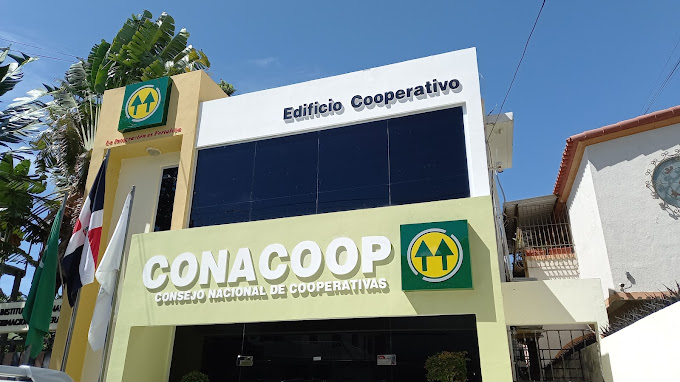
Santo Domingo.– The National Council of Cooperatives (
CONACOOP) clarified that it did not participate in the alleged financial agreement that, according to some versions, would have involved millionaire loans between the Agricultural Bank and the Institute for Cooperative Development and Credit (IDECOOP) from 2019 to 2024.
The president of the organization explained that, contrary to what has been spread, the Council only knew of an agreement made approximately two years ago, with the aim of supporting agri-food cooperatives, and that in that process CONACOOP was not a signatory nor did it manage funds.
The cooperative leader detailed that the initial agreement that was discussed and that some media outlets valued at more than 600 billion pesos never materialized.
“That agreement was not finalized, and subsequently, the agreement that was indeed made between IDECOOP and Banco Agrícola was to strengthen agri-food cooperatives, with much smaller amounts and clearly productive objectives,” he indicated.
Furthermore, he emphasized that the National Council of Cooperatives does not manage public resources or grant loans, but rather its role is limited to the integration, education, and defense of the cooperative sector.
You can also read: Presidente de Conacoop llama a incentivar el ahorro para mejorar calidad de vida | De Último Minuto
Regarding the reports of embezzlement or irregular use of funds, CONACOOP assured that it remains in communication with IDECOOP, the state institution in charge of auditing and supervising the cooperative movement, to learn the results of the investigations and the national tours that this entity has carried out to verify the status of the beneficiary cooperatives.
Regarding the number of beneficiary cooperatives, he clarified that it was not the 1,600 existing in the country, but only the agri-food ones, since the majority belong to the savings and credit sector.
Finally, the president of CONACOOP referred to the recent visit of the International Monetary Fund (IMF) to the cooperative sector, highlighting that the observations of the international organization were positive and aimed at modernizing the legal framework.