
Phase IV of left turn restrictions in the DN comes into effect

2:51 pm
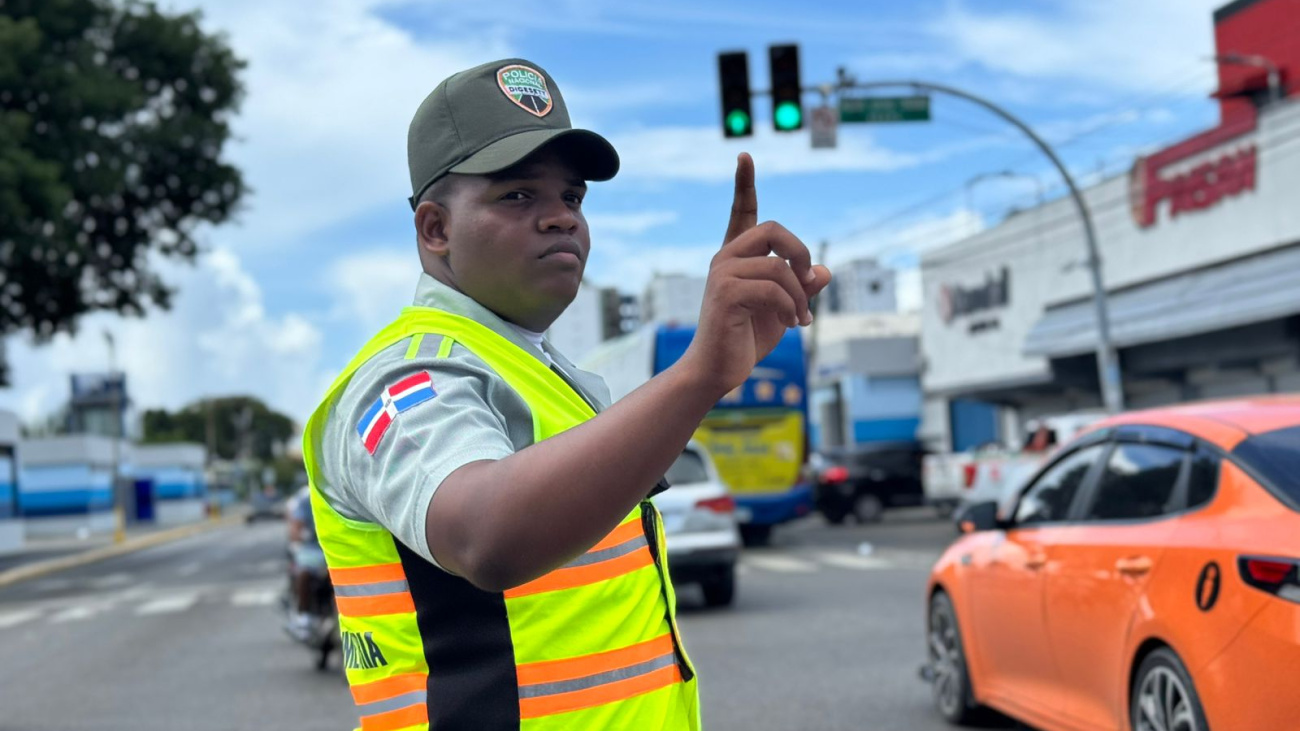
Santo Domingo. – Starting this Sunday, Phase IV of the left-turn restriction program began to be implemented in the National District, a measure that is part of the Comprehensive Traffic Management Strategy “RD Se Mueve” and which directly impacts the corridors of John F. Kennedy and 27 de Febrero avenues.
The new stage begins with the optimization of the Máximo Gómez – John F. Kennedy traffic light intersection, which goes from four to three operating phases, which entails the prohibition of the following turns:
• From Kennedy towards the south on Máximo Gómez (East–South).
• From Kennedy towards the north on Máximo Gómez (West–North).
Read more: Citizens reject new Intrant measures that prohibit left turns
For drivers needing to head south, the following alternatives were established: • Take San Martín Avenue and turn left onto Máximo Gómez. • Use Paseo de los Aviadores street, connect with San Martín and then join Máximo Gómez towards the south. Regarding the restriction to the north, the alternative route will be to continue east, turn onto Paseo de los Ferreteros street, then onto Mayor Valverde street, and finally access Máximo Gómez street heading north. The Transportation Cabinet did not provide information on the specific intersections of 27th of February Avenue that will be intervened, nor on the alternative routes corresponding to that road in this phase. With the three previous phases, traffic has already been reorganized at 13 strategic intersections in the capital, including Lope de Vega, Tiradentes, Abraham Lincoln, Winston Churchill, and Máximo Gómez avenues, which has generated significant changes in circulation. The institution recalled that, after a two-week orientation period, the measure is already being monitored in several corridors, with the application of fines to drivers who fail to comply. This, it highlighted, has contributed to reinforcing the reduction of traffic congestion. Additionally, the Cabinet informed that alternative routes are available on platforms like Waze, and reiterated that the restrictions are applied gradually and planned, with the aim of improving mobility, road safety, and facilitating citizens’ adaptation to the new traffic dynamics.
Redacción de De Último Minuto



#Most read
- 1.Magnitude 8.0 earthquake reported off Panama’s Pacific coast
- 2.VIDEO: Earthquake reportedly causes damage inside building in Panama
- 3.VIDEO: Father throws chair at judge after driver gets 120 hours of community service for killing his daughter
- 4.Biography of Juan Ramón Gómez Díaz: The Media Mogul in the Dominican Republic
- 5.Dominican woman sentenced to 25 years for killing fellow Dominican friend in Orlando
- 6.British man found dead and naked in Italy had attended pagan gathering involving drugs
- 7.Pamela Infante clarifies situation with Wander Franco
- 8.Dominican man shot by ICE agents in New York identified as Oscar Belgal
- 9.NYPD searches for Dominican man wanted in death of young woman who fell from 15th floor
- 10.5D Cinema in Japan surprises the world with an immersive experience that goes viral

Newsletter
Subscribe to our newsletter to receive our latest articles instantly!