
Santo Domingo.- The Dominican Republic is preparing to declare its first rare earth reserves in 2027, once the technical, economic, environmental, and logistical studies that will determine which part of the identified resources can be viably exploited are concluded.
The Ministry of Energy and Mines projects to complete the first resource estimate for the project in November 2026, after accumulating more than 5,000 results from analyzed samples. That phase will allow for a more precise determination of the amount of mineralized material, its distribution, and its characteristics.
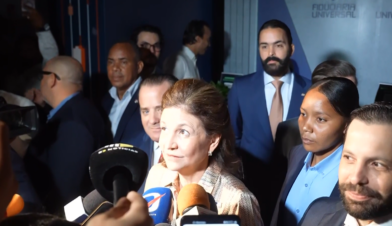
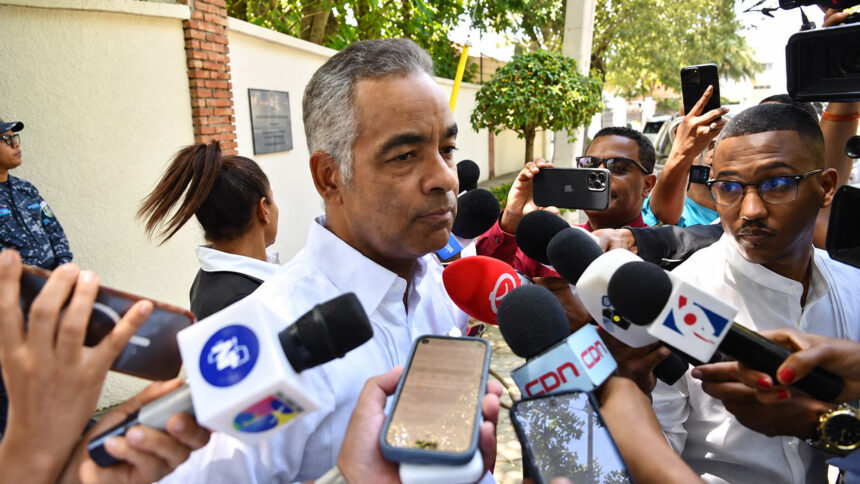
The Minister of Energy and Mines, Joel Santos, indicated that the goal is to move towards a declaration of reserves during the first half of 2027. However, he clarified that identifying the amount of existing minerals does not mean that all of that material can be considered an exploitable reserve.
Rare earths: reserves
The difference between resources and reserves will be decisive for the next stage of the rare earths project. A mineral resource corresponds to a concentration whose quantity and characteristics can be estimated through geological information and technical analysis.
A reserve, on the other hand, represents the portion of that resource that can be extracted in a technically and economically viable manner, after evaluating environmental, regulatory, logistical, and financial factors.
More Read

In parallel with the geological work, the authorities are developing metallurgical studies, environmental and economic assessments, as well as a conceptual scheme for the logistics that would be required for the eventual exploitation of the minerals.
The exploration project is being carried out in the Ávila Mining Fiscal Reserve, in Pedernales, where the Government is conducting studies under international technical standards to determine the potential for rare earths in that area of the country.

Santos maintained that, before declaring the reserves, it will be necessary to demonstrate what proportion of the identified material can be viably exploited under criteria of responsibility and sustainability.
More Read
Rare earths: cooperation
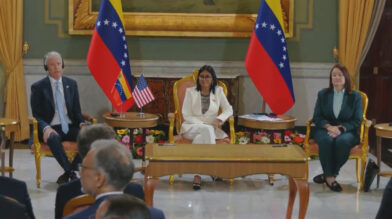
The progress of the explorations comes days after the Dominican Republic and the United States signed a cooperation framework related to the extraction and processing of critical minerals and rare earths.
The agreement, signed on September 10, seeks to strengthen supply chains, promote investments, and identify projects of interest for both countries. It also contemplates financing and cooperation mechanisms for activities related to mining, processing, and mapping of mineral resources.
The instrument was signed by the Dominican Minister of Industry and Commerce, Víctor “Ito” Bisonó, and the U.S. Ambassador Leah F. Campos, with the presence of Minister Joel Santos.
According to official information, this is a political and programmatic action plan that does not create legally binding obligations between the parties.
The Dominican authorities believe that this cooperation can contribute to access to technical assistance, investment mechanisms, and new opportunities to develop the country’s critical mineral potential.
The resource determination scheduled for November will mark one of the project’s main steps. Based on those results and complementary studies, it will be established whether the Dominican Republic is in a position to formally certify its first rare earth reserves during the first six months of 2027.