


NEW YORK.– The lack of financial education within the home continues to impact thousands of Latino families in the United States, where 35% of Hispanics claim to have debt due to not having received early guidance on money management.
According to the report cited by El Diario NY, many Latinos grew up in households where there was no open discussion about budgeting, saving, credit, or financial planning, which has influenced economic decisions marked by debt and a lack of preparation for emergencies.
Experts point out that this pattern is not only a response to the lack of information, but also to factors such as low income, high costs of living, limited access to financial products, and reliance on credit to cover basic expenses. Other studies have warned that a significant portion of the Latino community in the U.S. rates their financial situation as fair or poor.
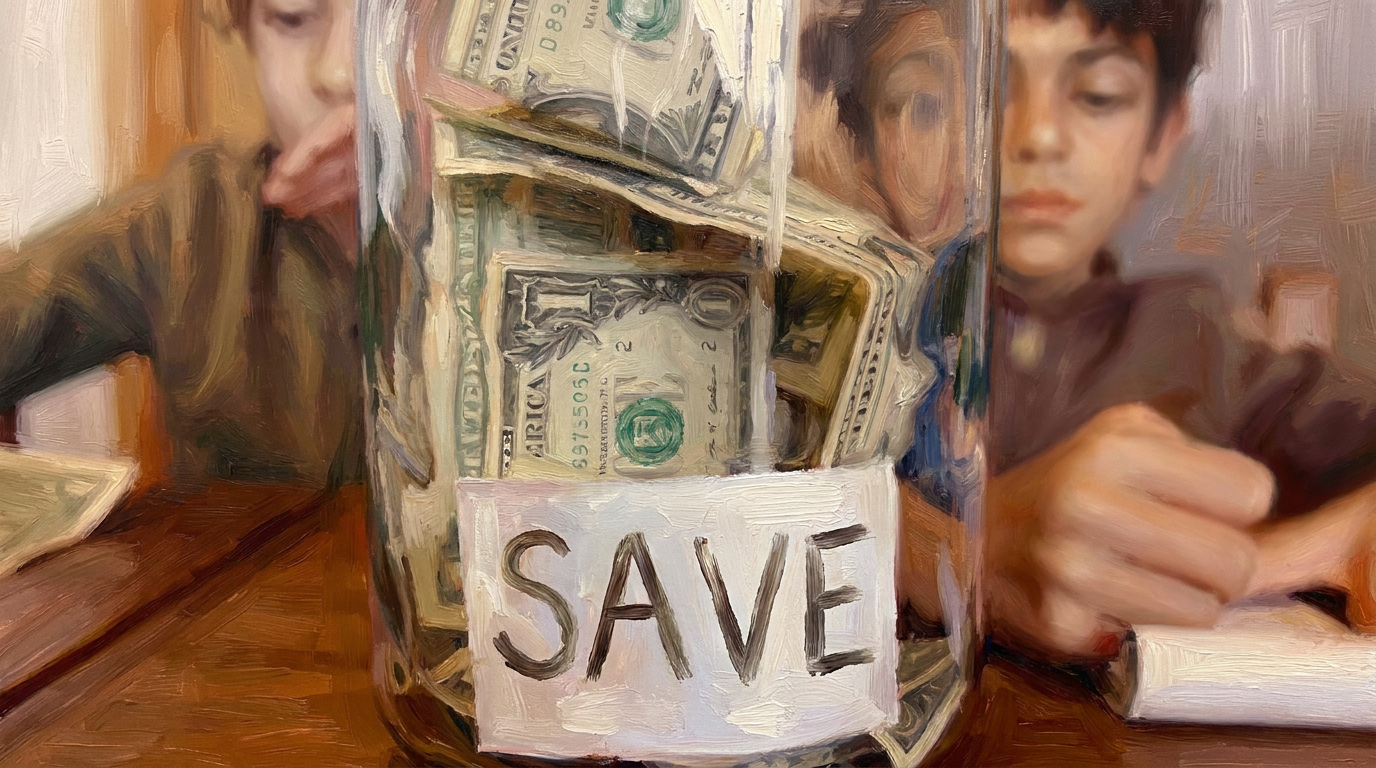
Financial education, specialists explain, should begin at home with simple conversations about how money is earned, managed, and protected. Teaching children to differentiate between needs and wants, create budgets, avoid unnecessary debt, and understand the responsible use of credit can make a long-term difference.

Organizations dedicated to financial inclusion have insisted that economic education programs must be adapted to the realities of Latino communities, especially those with lower incomes or limited access to the banking system.
Breaking the cycle of debt, according to experts, requires combining education, planning, and access to reliable tools. Among the recommended measures are reviewing monthly expenses, prioritizing the payment of high-interest debts, building an emergency fund, and seeking financial advice before taking on new economic commitments.