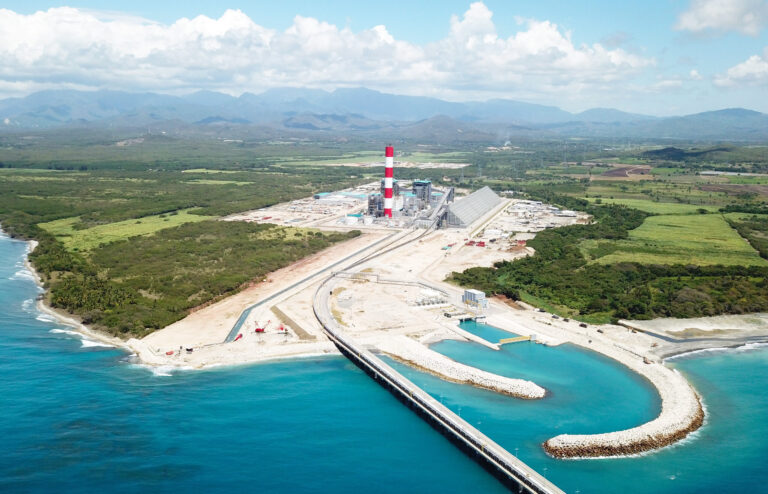

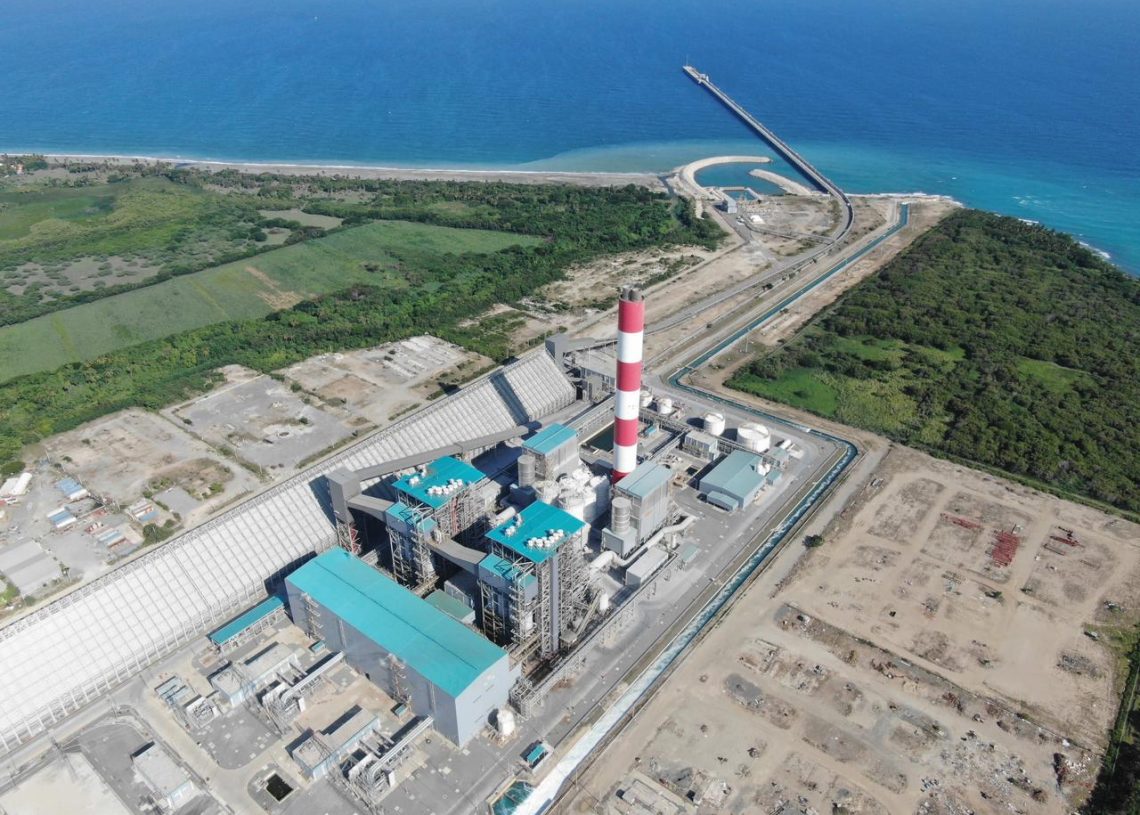

In the summer, specifically in the months of July and August, the town felt the ravages of the shutdown of the Punta Catalina Plant II system “due to the presence of sargassum in its water supply system“. In November, the Dominican territory experienced a national blackout that left the population without electricity for hours. These events highlighted structural problems that have been accumulating for decades, demonstrating weaknesses in resolving and sustaining failures at critical points.
Both moments brought with them a series of situations that unleashed some protests in different cities in the interior and sectors of Greater Santo Domingo.
You may be interested in: Punta Catalina transferred US$258.4 million to the State
The blackout: was the largest recorded throughout the year, as it had a direct impact on traffic congestion due to the traffic lights being out, total paralysis of the cable car and the Santo Domingo Metro, leaving thousands of users stranded, failures in essential services, and long waiting hours for reconnection in many urban and rural sectors.
Citizen discontent is not only described by the hours without electricity: it is the sum of years of intermittent outages, high bills, and government promises that do not translate into tangible improvements in the service. Sectors have
experienced prolonged periods of scheduled and unscheduled blackouts, becoming a double paradox: paying more for a service that arrives poorly.

Very high bills
The increase in your bills comes from a direct tariff increase without presenting changes or increases in your appliances. Many
reported empty houses with irregular consumption.
An example of this, in the report “The never-ending electric Via Crucis”, Ramirez presented the case of a woman, whose name was withheld for security reasons, who in 2022 signed a contract with EDEESTE and her first bills arrived at RD$1,500. In a matter of months, she went from that modest sum to billing amounts of RD$20,000 and up to RD$30,000 monthly, for no apparent reason.
Cases everywhere. Eduardo Esteban, mayor of the Municipality of Las Terrenas, made a call to President Luis Abinader, as this locality went from having an energy service according to its needs and tourist qualities, to becoming “a city that sees its possibilities of growth and progress threatened” by the deterioration of the energy service, “which no longer enjoys efficiency as in previous years“.
You may be interested in: Audit confirms good performance of Punta Catalina
The senator for Duarte province, Franklin Romero, in statements offered on the Politikal program, said “The problem of blackouts… are not resolved overnight”, implying that from a more hierarchical point of view the issue does not have a near solution.

The Minister of Energy and Mines, Joel Santos, publicly acknowledged on the radio program Matutino 91 the situation that, unfortunately, affects the entire population. “Demand has been growing above the system’s generation capacity, but not necessarily due to formal demand, but rather due to illegal connections that overload the transformers and affect people who are legally connected”.
These statements reflect a complex energy landscape, where both structural limitations of the system and practices that worsen the situation converge. The lack of timely investment in infrastructure, along with the sustained increase in consumption, has generated a scenario in which distributors struggle to maintain service stability.
Was there a variation?
Authorities have insisted that basic rates have not undergone changes that explain the increases; however, there are factors that do raise the amount: variations in the purchase price of energy, fuel charges, periodic adjustments, losses due to purchases in the wholesale market, and surcharges for consumption or late payment.
A fact that shows how serious the situation is: this year the losses have increased significantly.
The bulletin of the Ministry of Energy and Mines shows fluctuations in the average purchase and sale price per kWh during the year.
Meanwhile, these losses affect reliability: a network with high leakage, theft, and technical failure rates cannot guarantee the continuity of service, and when an element (line or substation) fails, the chain of impacts can be massive.
The electricity crisis is neither recent nor easy to solve; it demands firm measures, profound changes and, above all, “political determination to confront vested interests” and the usual resistance. As long as the electricity system is not stable, efficient and competitive, the Dominican economy and specifically, the lower middle class, will continue to bear a burden that hinders their ability to advance and develop fully.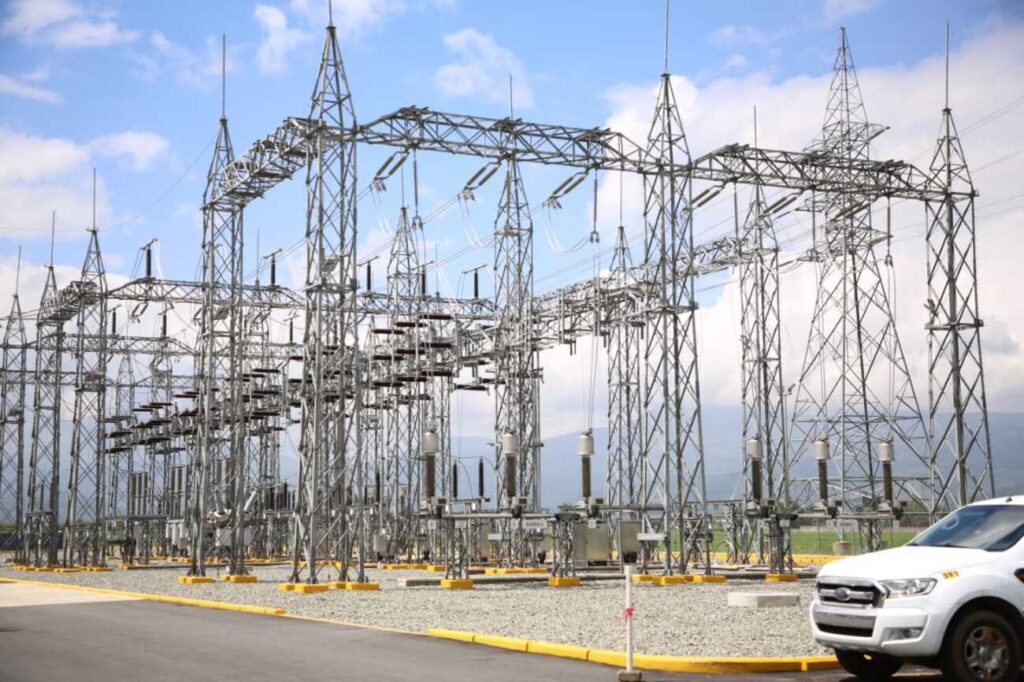
cargando con un peso que frena su capacidad de avanzar.