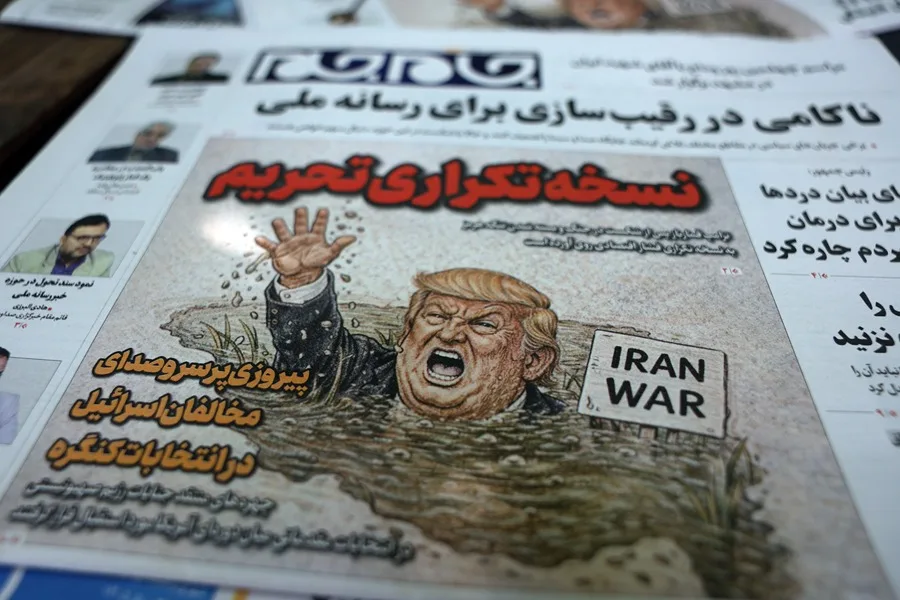

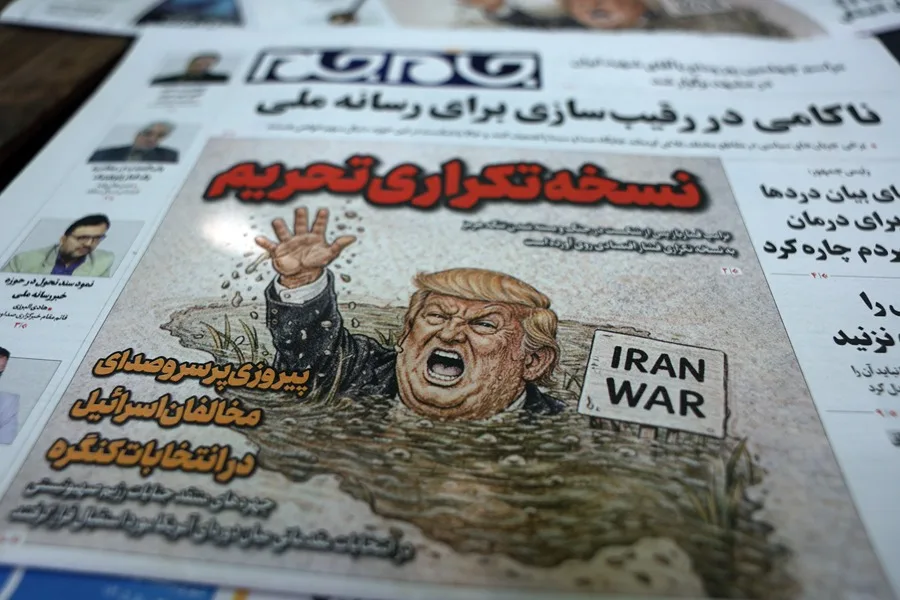

Tehran threatens to take action against countries that collaborate with Washington’s economic campaign, as tension rises over the conflict and oil export routes.
Tehran.— Iran warned that it will consider as enemies those countries that decide to join the economic pressure campaign promoted by the United States against the Islamic Republic, amid escalating tensions between both nations.
The warning was issued by Mohsen Rezaei, secretary of Iran’s Supreme National Security Council and former commander of the Revolutionary Guard, who pointed out that Tehran will first attempt to persuade neighboring countries not to participate in the economic measures promoted by Washington.
According to Rezaei, those governments that decide to continue collaborating with the US economic offensive could face reprisals. His statements were broadcast by Iranian state television.

Iran threatens to act against oil routes
Rezaei raised the tone of his warnings when referring to the routes used for oil exports. The official asserted that Iran could attack oil transport routes located beyond the Strait of Hormuz if certain countries collaborate with the United States’ economic pressure campaign.
The Strait of Hormuz constitutes one of the main routes for global oil transport, which is why any threat against that area generates concern in international markets and among countries dependent on crude oil imports.
The Iranian official also warned that Tehran could direct its actions against U.S. economic interests located in the region if Washington applies new sanctions or financial measures against Iran.
Trump announces a new economic offensive against Iran
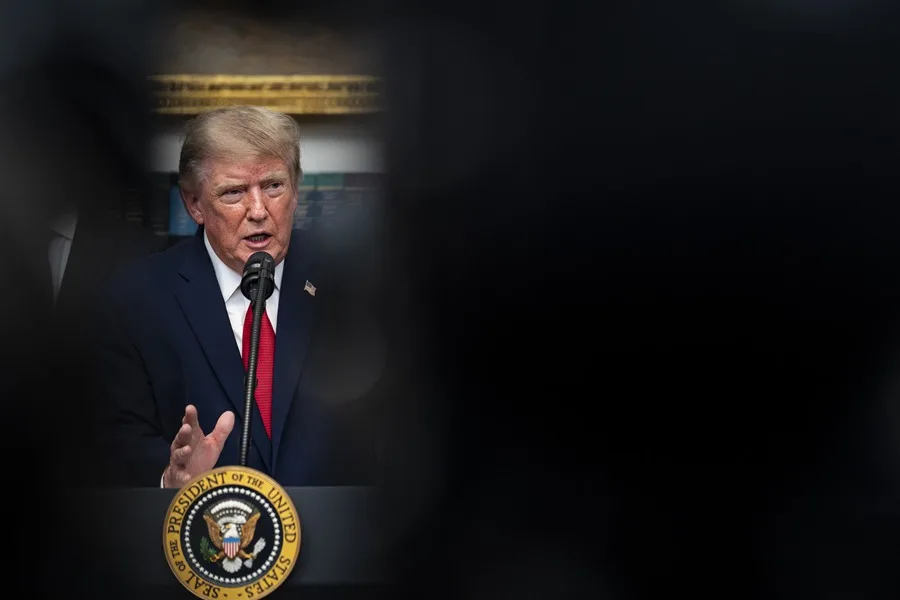
Tehran’s warnings come after US President Donald Trump announced a new economic pressure strategy against Iran.
Trump described the initiative as a far-reaching economic operation and presented it as part of his efforts to pressure the Iranian government, end the conflict, and facilitate the reopening of the Strait of Hormuz.
So far, Washington has not detailed all the measures that will be part of this new economic offensive. However, U.S. Treasury Secretary Scott Bessent warned that countries providing assistance considered vital to Iran could face economic consequences.
We recommend reading: Iran will allow the passage of “several” Iraqi oil tankers through Hormuz
China and the United Arab Emirates, under pressure
The situation also generates concern regarding the trade relations that Iran maintains with important international partners. China is among the main buyers of Iranian oil and represents a key market for Tehran’s energy exports.
On the other hand, the United Arab Emirates announced this week the suspension of its commercial relations, trade exchanges, and financial transactions with Iran, a decision that increases economic pressure on the Islamic Republic.
The possibility that other countries might adopt similar measures could increase Iran’s economic isolation and further heighten tensions in the region.
Decades of sanctions against Iran
For decades, Iran has faced various economic sanctions imposed by the United States and other countries. Among the measures applied are restrictions related to the sale and commercialization of Iranian oil in international markets.
These sanctions have significantly affected the Iranian economy, although so far they have not managed to get Tehran to abandon its main political and strategic positions.
Iran’s new threats and the United States’ response keep international attention on the evolution of the conflict, especially due to the impact that any disruption to oil routes could have on global trade and energy prices.