


7:40 am
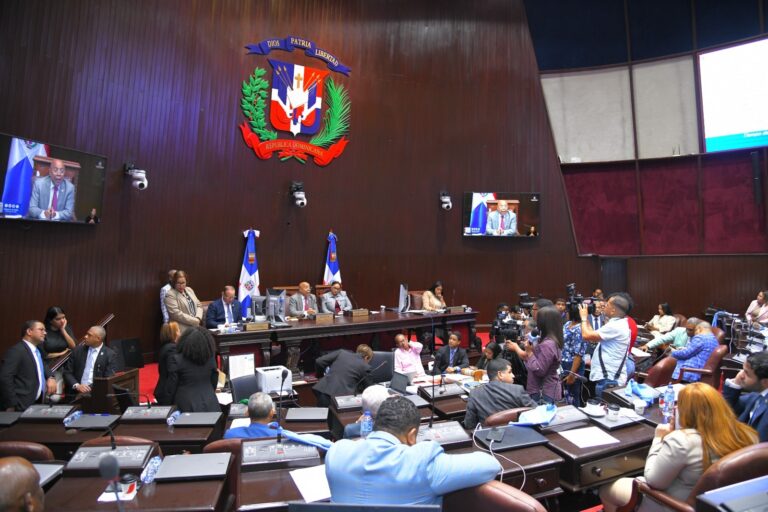
Congress has once again put a necessary regulation of gambling on the table. But regulating a sector cannot mean handing a ten-year advantage to those who are already inside. The text approved by the Chamber combines three measures that deserve full public attention: it maintains the regularization path for existing operators, prevents the granting of new licenses for a decade, and creates special discounts for accumulated tax debts. Regulating is correct; closing the market to protect current participants is something else.
The State has reasons to restore order. The project itself speaks of more than 71,000 registered lottery and sports betting shops and an insufficient capacity for oversight. However, Article 191 establishes that, once the registry is organized, no new establishments will be allowed to enter for ten years, with the exception of tourist casinos. At the same time, regularization processes continue, and Article 192 allows for discounts on tax arrears and fees accumulated up to December 2025. In plain Dominican terms: anyone who wants to start tomorrow, while complying with all the rules, would find the door closed; whoever is already inside and carrying debts could regularize their status and end up paying less. That does not seem like a level playing field.
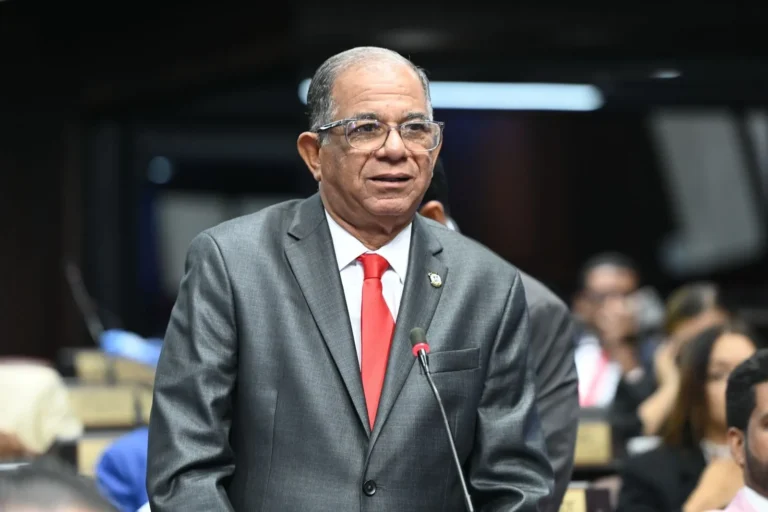
The concern grows when looking at who has participated in the legislative process. An investigation by De Último Minuto identified eight congresspeople with declared properties, shares, or economic ties to gambling-related businesses. Six deputies linked to the sector appear as guests at the final meeting of the special commission that submitted a favorable report with modifications; four electronically supported that report, and three voted in favor during both readings. This does not prove that they drafted the questioned articles or that their companies will benefit. But precisely for that reason, Congress must explain who proposed articles 190, 191, and 192, what studies support them, how much the State would stop collecting, and who the beneficiaries would be.
Congress can still correct the course. Existing betting shops can be audited, overseen, and interconnected without condemning a generation of Dominicans to wait ten years to compete legally. Reasonable facilities can also be established to collect overdue debts, but with transparency, public figures, and without turning fiscal irresponsibility into a competitive advantage. And when a legislator has economic interests in the sector they are regulating, transparency must be absolute. The citizenry is not asking to leave gambling uncontrolled; it is demanding that the rules be the same for everyone. Regulating a market cannot become an excuse to distribute it among those who arrived first.

Redacción de De Último Minuto




Newsletter
Subscribe to our newsletter to receive our latest articles instantly!