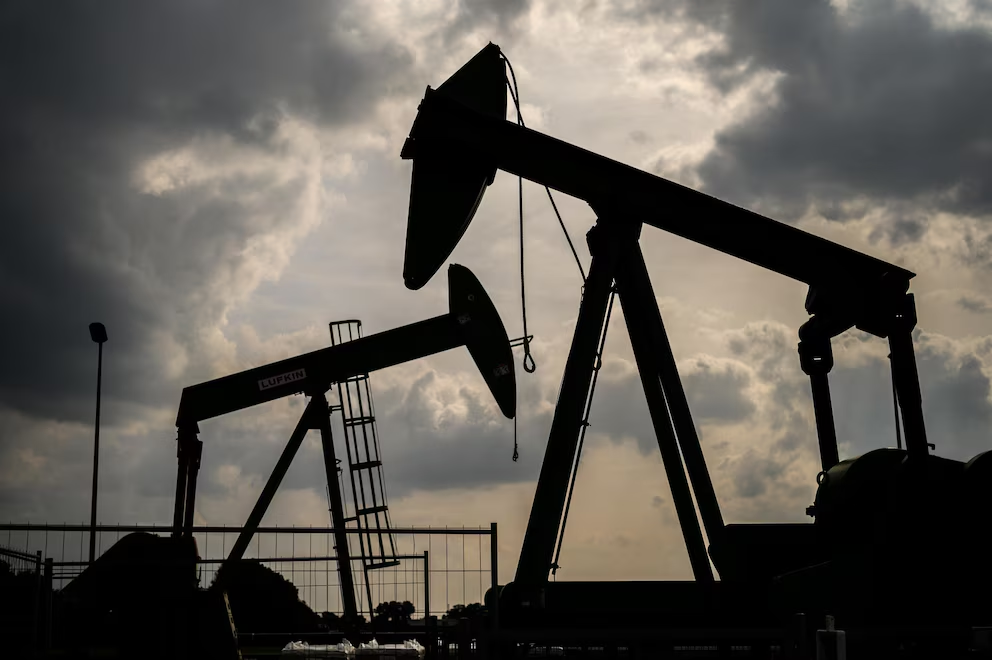
London.- Brent crude oil plummeted this Tuesday by 11.28%, to stand at $87.80 a barrel, at the end of a volatile trading day in the London futures market, after US President Donald Trump said that the war in Iran is practically “over”.
North Sea crude, the benchmark in Europe, fell $11.16 on the Intercontinental Exchange (ICE) in London compared to the settlement price of the previous session, when Brent ended at $98.96.
We recommend reading:The G7 ready to act “urgently” to stabilize oil prices
Impending End of the War
Shortly after the close of Monday’s session, when it closed slightly below $100, Trump’s words about an upcoming end to the war in Iran and the subsequent de-escalation of the conflict at the regional level gave investors hope and caused a sharp drop in crude oil, which fell to around the psychological barrier of $90.Bearish Trend
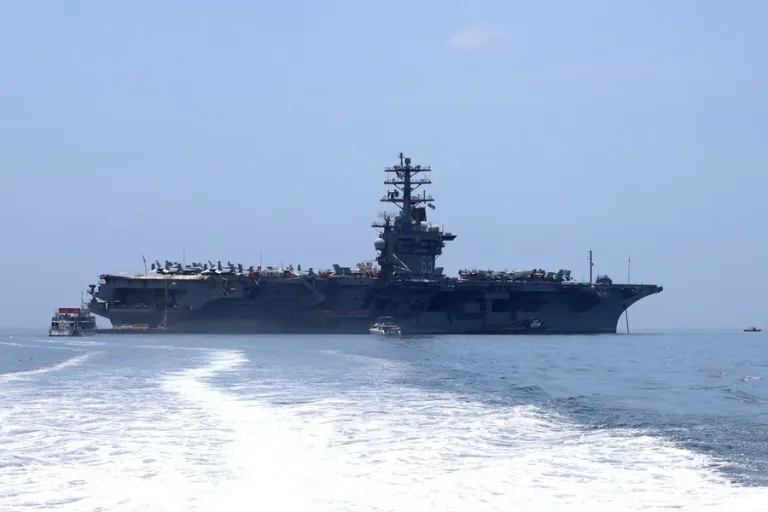
Throughout Tuesday’s session, Brent had a downward trend and reached $81.50 at its lowest point after U.S. Energy Secretary Chris Wright said that a U.S. Navy ship had escorted an oil tanker through the Strait of Hormuz, but then rose again when this information was denied.Strait of Hormuz
Due to this strategic passage controlled by Iran, located between the Persian Gulf and the Gulf of Oman, 20% of the maritime flow of hydrocarbons passes. Tehran has kept it de facto closed since the beginning of the war, which is causing enormous disruptions in the global supply and directly impacting the price of crude oil.

Influence of the G7
Analyst Fawad Razaqzada, from the firm Forex.com, highlighted today in his weekly newsletter that this dramatic drop in crude oil should not be attributed only to Trump’s words, but to the announcement by the G7 countries that they are studying releasing oil reserves to stabilize prices. Razaqzada points out, however, that the release of reserves can only provide momentary relief as long as disruptions in the Strait of Hormuz continue, which has paralyzed production in the oil-producing countries of the Middle East region, as they cannot export their shipments.You can also read:83% of fuels consumed by DR comes from the United States; mostly premium gasoline
Alternatives to the Strait of Hormuz
The CEO of Saudi state oil company Aramco, the world’s largest, Amin Nasser, said that his company can have the port of Yanbu, on the Saudi west coast (in the Red Sea), ready in a matter of days, and that will allow it to bypass the Strait of Hormuz and export 5 million barrels per day by crossing the Suez Canal instead.