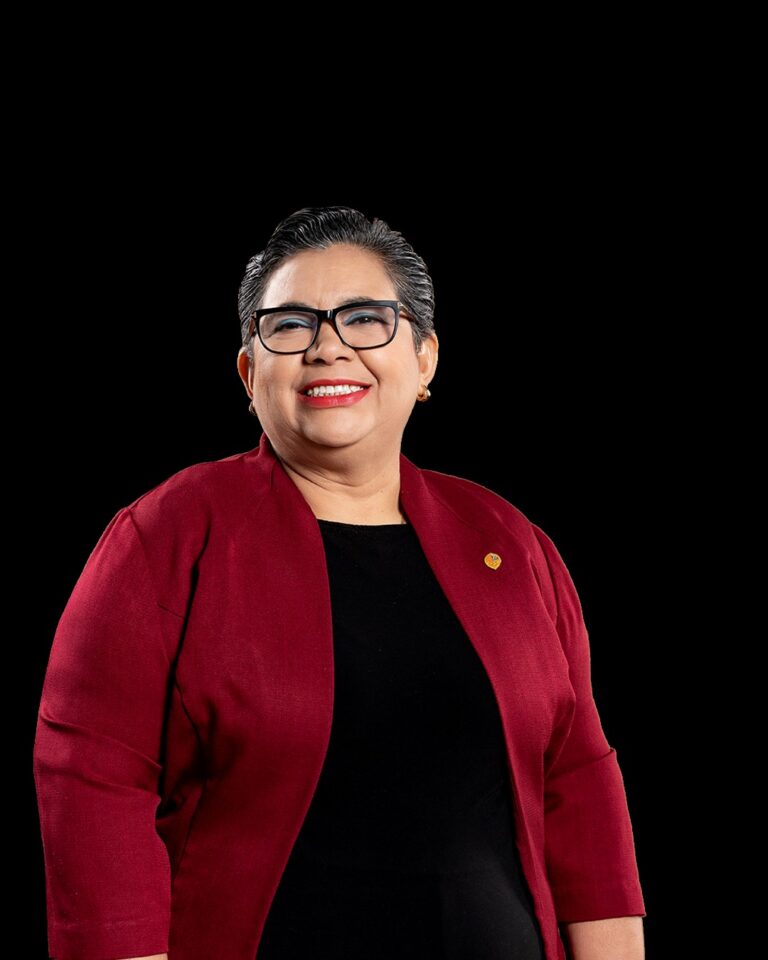
Economist warns social security is unsustainable without risk-adjusted capitation

10:47 am
Economist Henri Hebrard warned about the serious imbalances generated by the application of a single-capitation model in the Contributory Regime of the Dominican Social Security System (SDSS), noting that this practice puts the equity and sustainability of the system at risk.
In his article under the title “ARS: single capitation, which is the same if it is an advantage”, Hebrard argues that the payment of a uniform fee to all Health Risk Administrators (ARS), without taking into account the risk profile of their affiliates, creates distortions and perverse incentives that punish the ARS that cover more vulnerable populations —such as older adults or people with chronic diseases— and favor those with younger and healthier affiliates.
“The ARS with low-risk portfolios present artificially inflated margins, while those that serve vulnerable populations face unsustainable operational pressures,” explained the economist.
Hebrard supports the technical proposal of the Superintendency of Health and Occupational Risks (SISALRIL), which proposes to move towards a risk-adjusted capitation model, in line with the principles of Law 87-01. Article 169 of this law even contemplates the possibility of establishing differentiated rates “when the necessary technical conditions are developed”.
Data provided by SISALRIL shows that:
• A member over 65 costs the system three times more than the average. • In contrast, a child between 6 and 14 years old represents only 40% of the average cost. Hebrard warns that, if the current scheme is maintained, the inevitable aging of the population could lead to a structural crisis in the system’s coverage. “Differentiated care not only corrects current inequities, but also guarantees the quality and continuity of services for those who need them most,” he points out. The economist recalls that beyond the financial aspect, health is a fundamental right, without which other rights cannot be exercised. Therefore, he considers that this reform does not diminish the coverage of any affiliate, but rather strengthens it, by eliminating any incentive to discriminate against older adults or populations in vulnerable situations. Hebrard concludes that the implementation of the new model should be done gradually and by consensus, starting with the most sensitive segments of the system.
We are a multiplatform outlet offering news and television content. The fastest-growing news outlet in audience in the history of Caribbean communication.


#Most read
- 1.Apple equips its AirPods with translation in English, Spanish, Portuguese, French, and German
- 2.84% of teenage girls in Spain fear that AI will use their photos to create fake sexual content
- 3.Roberto Ángel Salcedo heads the first preparatory meeting for the 2026 carnivals
- 4.Nvidia: From Video Games to the World’s Summit as a Colossus of Artificial Intelligence
- 5.NASA launches three missions to map the heliosphere and study the solar wind
- 6.VIDEO: Deicy Jiménez releases video seeking to substantiate claims about relationship with Gustavo Petro
- 7.Suspected Haitian gang leader known as “Galaxie” reportedly killed in police operation
- 8.Severe storms bring dust clouds and flash flooding to Las Vegas
- 9.Abdul El-Sayed mocks Trump and Vance after winning Michigan Senate race: “You’re constitutionally obligated to swear me in in January”
- 10.Paraguayan protesters remove former presidential candidate Payo Cubas from demonstration

Newsletter
Subscribe to our newsletter to receive our latest articles instantly!
This site is protected by reCAPTCHA and the Google Privacy Policy and Terms of Service apply.