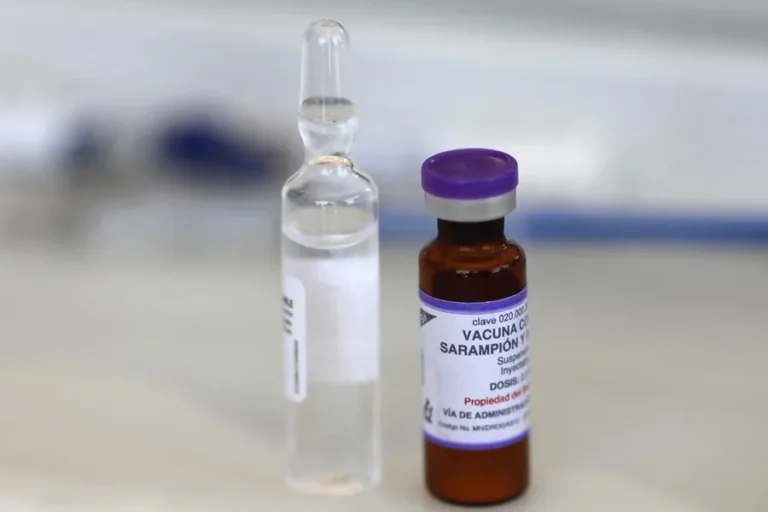


An increase in confirmed measles cases has placed El Salvador under a health alert, with a total of 58 positive diagnoses recorded as of August 1st, all classified as imported according to the Ministry of Health (MINSAL).
The official information comes as several countries in the region are facing outbreaks of vaccine-preventable diseases, a situation that breaks a three-decade streak without cases of this viral infection in national territory.
The latest Epidemiological Bulletin published by the MINSAL reports that none of the cases have resulted in deaths or serious complications treated in public hospitals.
To date, authorities rule out local circulation of the virus and attribute all infections to patients who reportedly contracted the disease outside the country. The report details that the outbreak mainly affects young adults, with 20 cases concentrated in the 20 to 29 age group.

The geographical distribution of the diagnoses reveals that San Salvador has concentrated approximately 56% of the detected cases. This figure is equivalent to 33 people who have received medical attention in the capital. In the eastern part of the country, San Miguel reports 17% of the total patients, adding up to 10 cases documented in the public health network.
We recommend reading:SICA General Secretariat will seek to reactivate high-level political dialogue in Central America
The MINSAL reported that measles cases have not caused any deaths or serious complications treated in public hospitals.
The epidemiological analysis indicates that the greatest increase in infections was identified at the end of the first semester of 2026. In epidemiological week number 25, official records counted 12 new confirmed cases, the highest point of incidence during the year, which has not been repeated since.

According to the MINSAL, the first local outbreak involved a family that traveled outside of El Salvador during a vacation break, which marked the beginning of the current surge.
Measles was considered eradicated in El Salvador since 1996, following intense vaccination campaigns initiated in 1973 and the incorporation of the vaccine into the national schedule. For more than 30 years, the country reported no confirmed cases, until the recent epidemiological alert issued by the Pan American Health Organization, which notified an increase in infections in the Central American region.
The disease, caused by a highly transmissible virus, spreads through the air via droplets expelled by coughing or sneezing from infected individuals. Although it mainly affects non-immunized minors, the current outbreak shows a higher incidence among young adults, according to records from the Ministry of Health.
A nurse vaccinates a child against measles this Friday, at a public health center in Nejapa, 19 kilometers from San Salvador (El Salvador).
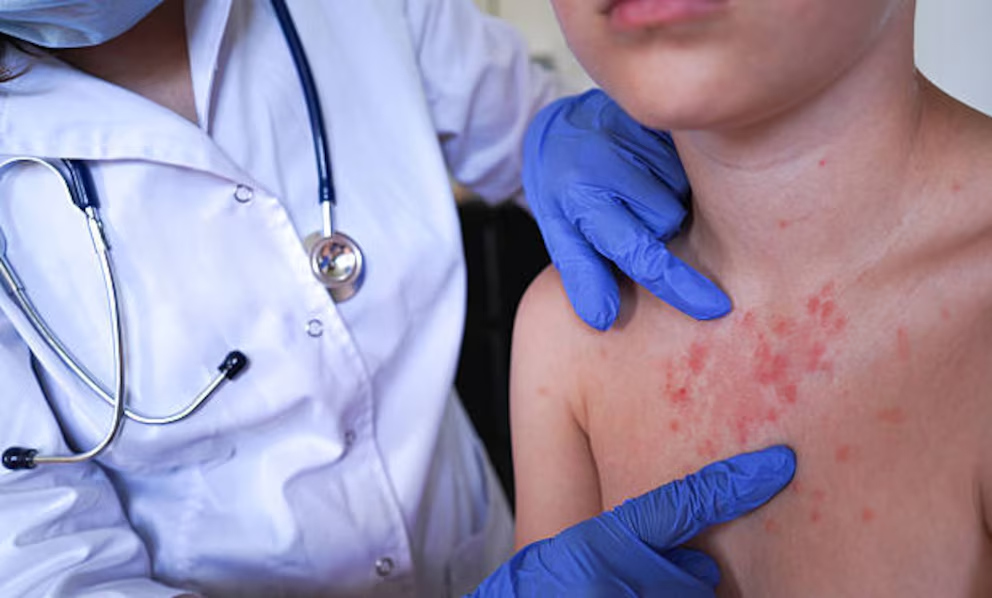
Symptoms usually appear between 10 and 14 days after exposure to the virus. The clinical presentation begins with a high fever, dry cough, runny nose, and red eyes.
A distinctive sign of the infection is the white spots known as Koplik spots that appear on the inside of the cheeks before the skin rash, which progresses from the face to the rest of the body.
Measles can cause serious complications, including pneumonia, encephalitis, and severe diarrhea, especially in young children and people with weakened immune systems. Epidemiological surveillance remains active throughout the country, with the recommendation that the population consult health services upon the appearance of symptoms compatible with the disease.
The health alert remains in effect in El Salvador, where authorities emphasize the importance of immunization to prevent the resurgence of vaccine-preventable diseases. The Ministry of Health maintains surveillance over imported cases, while reinforcing prevention strategies in coordination with international organizations.