

Friday the 13th: Superstition or witchcraft?

11:52 pm
In many parts of the world, Friday the 13th is more than just a date on the calendar: it is a symbol of mystery, bad luck, and esoteric practices. But where does this belief come from and why is it associated with witchcraft?
This Friday the 13th, and as every time this combination appears on the calendar, the superstitious protected themselves with amulets, some avoided leaving home, and others took advantage of the day to perform rituals. Although for many it is simply a superstition without foundation, for others this date has a deep spiritual and esoteric meaning.
Origins of Superstition
The fear of the number 13, known as triskaidekaphobia, has ancient roots. In Christian culture, it is said that there were 13 diners at the Last Supper, and that the traitor, Judas Iscariot, was the 13th to sit at the table. In addition, Jesus was crucified on a Friday, which ended up associating both elements as signs of bad omen. But fear is not exclusive to Christianity. In Norse mythology, there is also a legend where Loki, the god of deceit, joins as the thirteenth guest at a banquet in Valhalla, unleashing chaos.Friday the 13th in Popular Culture and the Occult
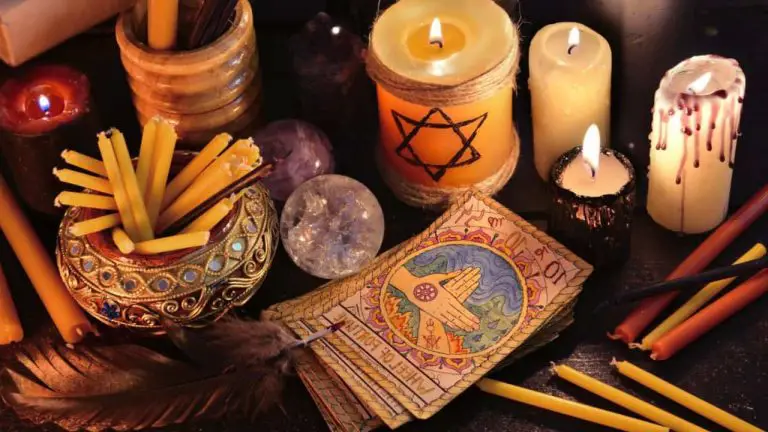
Over the centuries, Friday the 13th became established as an unlucky date in Western tradition. This was compounded by popular culture, especially with the iconic film series Friday the 13th, which turned the date into a synonym for horror and blood.However, for certain groups of practitioners of modern witchcraft —such as Wiccans—, Friday the 13th is seen as a day of special energy. It is believed that collective superstition amplifies the power of rituals performed during that day. Some perform protection, abundance, or spiritual connection spells, far from the dark stereotype that is often presented in cinema or the media.
Is witchcraft really practiced on this date?
“Yes, many people do it, although not as most imagine,” says Lissette R., a practitioner of ancestral spirituality in Mexico. “We don’t invoke demons or do harm. Rather, we take advantage of the energy of a day when people believe more in the invisible. That enhances the intention of the rituals.” Social media has also amplified the interest. On platforms like TikTok and YouTube, there are plenty of videos that teach “safe” rituals for Friday the 13th, many for the purposes of energetic cleansing, self-love, or manifestation of desires.More a social phenomenon than supernatural
For psychologists and sociologists, the interesting thing about Friday the 13th is not so much whether it has real powers, but how it influences human behavior. According to studies, in countries where this superstition is more deeply rooted, such as the United States or Spain, flight reservations decrease and wedding cancellations increase. “It’s a date that reminds us how powerful collective beliefs can be,” says sociologist Javier Muñoz. “Superstition, even if it has no scientific basis, can modify decisions, emotions, and personal rituals.”
Periodista con experiencia en producción audiovisual y creación de contenido para marcas. Egresada de la UCSD en la carrera de Comunicación Social y estudiante de término de la maestría en Ciencias Políticas y Políticas Públicas.



#Most read
- 1.Metastases reportedly disappear in first patient treated with Russia’s experimental cancer vaccine
- 2.Giancarlo Miguel Tejada denies allegations of sexual assault against niece while being transferred to the Palace of Justice
- 3.84% of teenage girls in Spain fear that AI will use their photos to create fake sexual content
- 4.Apple equips its AirPods with translation in English, Spanish, Portuguese, French, and German
- 5.NASA launches three missions to map the heliosphere and study the solar wind
- 6.Nvidia: From Video Games to the World’s Summit as a Colossus of Artificial Intelligence
- 7.Roberto Ángel Salcedo heads the first preparatory meeting for the 2026 carnivals
- 8.VIDEO: Tragedy in Argentine soccer: 18-year-old Abel Núñez dies after suffering head trauma
- 9.Man steals giant golden Jesus statue from church and smashes it while posing for a photo
- 10.Efraín Rosas León, actor from La Familia P. Luche, passes away
Newsletter
Subscribe to our newsletter to receive our latest articles instantly!
This site is protected by reCAPTCHA and the Google Privacy Policy and Terms of Service apply.