The witness provided evidence that would compromise the owners of the establishment both civilly and criminally.
Santo Domingo.- The Public Ministry questioned Gregory Adamés this Tuesday, a key witness and victim of the tragedy that occurred on April 8 at the Jet Set nightclub, who claims to have
warned that the ceiling of the venue showed signs of collapse and
that it was not safe to hold the party scheduled for the night of the tragedy.
Adamés, who was an employee of the nightclub and in charge of logistics and event reservations, went to the Attorney General’s Office accompanied by his lawyers, Luis Andrés Aybar and Plinio Pina. He was received by prosecutors from the Prosecution Directorate of the Public Ministry, under the direction of Wilson Camacho.
During the interrogation, Adamés also formalized a
complaint with civil action against Antonio Espaillat López, his mother Ana Grecia López, as well as the companies Inversiones E y L and Club Jet Set.
You can also read: Two months after the Jet Set: Will there be justice? | De Último Minuto
Among the evidence submitted is a mobile phone containing videos and conversations with Antonio Espaillat. Despite these warnings, Espaillat allegedly ordered the event to continue as planned.
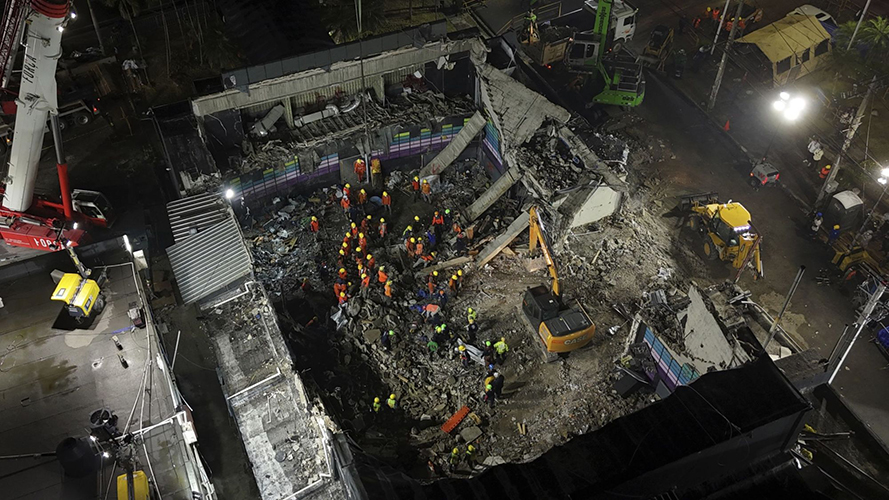
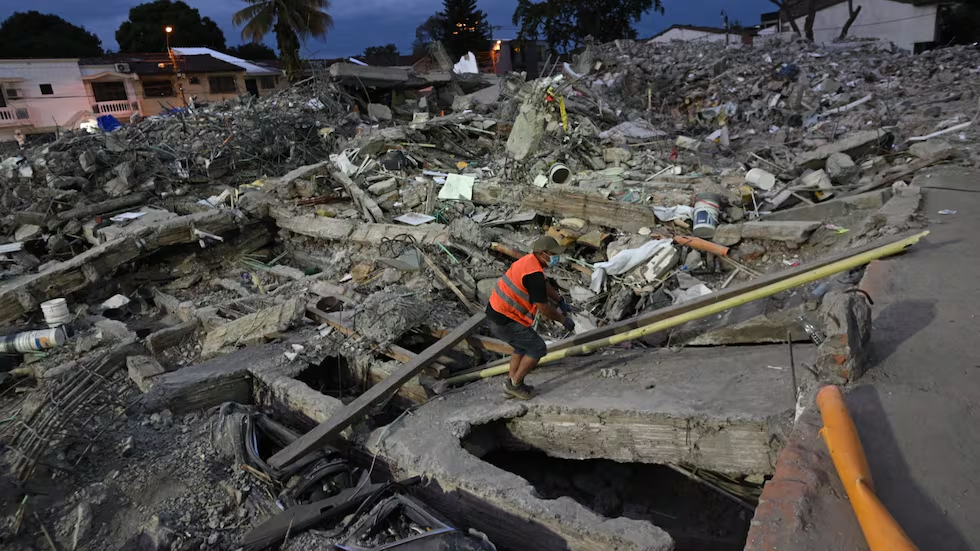
The party was enlivened by Rubby Pérez, who died during the collapse, along with more than two hundred people. Adamés, one of the survivors, was also injured along with about 180 other people.
Legal actions are increasing
Legal actions against the owners of Jet Set continue to increase. This Tuesday, the National District Attorney’s Office registered a total of
68 complaints and denunciations related to the case. Some of them also involve the Dominican State and the Mayor’s Office of the National District for alleged negligence in their responsibilities of supervision and structural control of the establishment.
The complainants maintain that there were
previous structural problems and allege that the placement of heavy equipment on the roof was a determining factor in the collapse.
Likewise, several actors in the process insist that the Public Ministry has the “obligation to initiate direct criminal action” against Antonio Espaillat, starting with his interrogation. They criticize that to date he has not been summoned or investigated, which they consider a serious fault that could compromise the credibility of the justice system.
The charges brought include
involuntary manslaughter, negligence, and violations of safety regulations in public premises. Social and legal pressure to clarify the facts and assign responsibilities continues to increase.