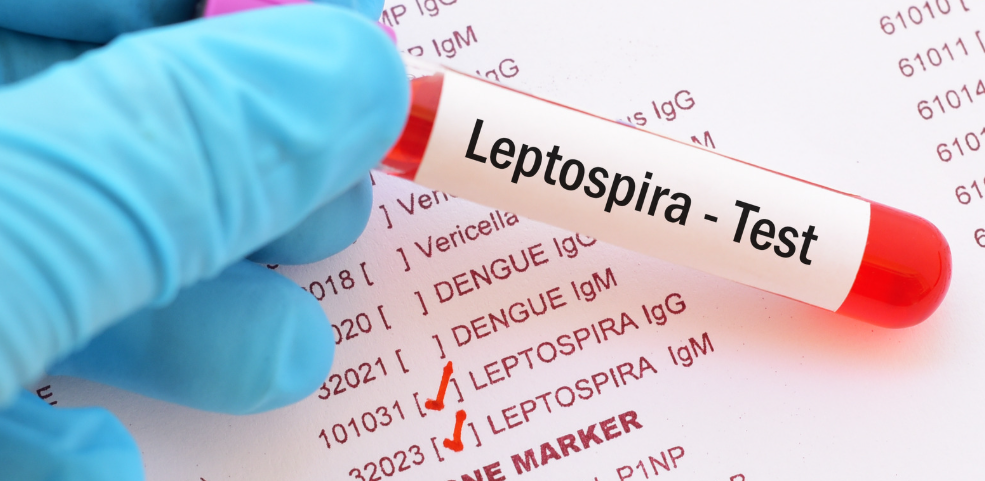

Leptospirosis continues to pose a threat to public health in the Dominican Republic, where 21 deaths and 317 confirmed cases have been recorded during 2026, representing a 93% increase in infections compared to the same period of the previous year.
According to data from the National Epidemiological Surveillance System (SINAVE), between January and early November 2025, 164 cases and 16 deaths had been recorded, figures that show a considerable increase in the disease during this year.
The epidemiological report states that 68% of the affected people are men, a behavior that could be related to exposure to contaminated environments during agricultural activities, construction work, and jobs involving contact with wastewater.
Although no new laboratory-confirmed cases were reported during the last week evaluated, 12 infections were recorded in the previous four weeks, a situation that keeps attention focused on the evolution of this bacterial disease.

How is leptospirosis transmitted?
Leptospirosis is an infection caused by bacteria of the genus Leptospira, which can be found in the urine of infected animals, mainly rats and mice, although other mammals can also transmit it.
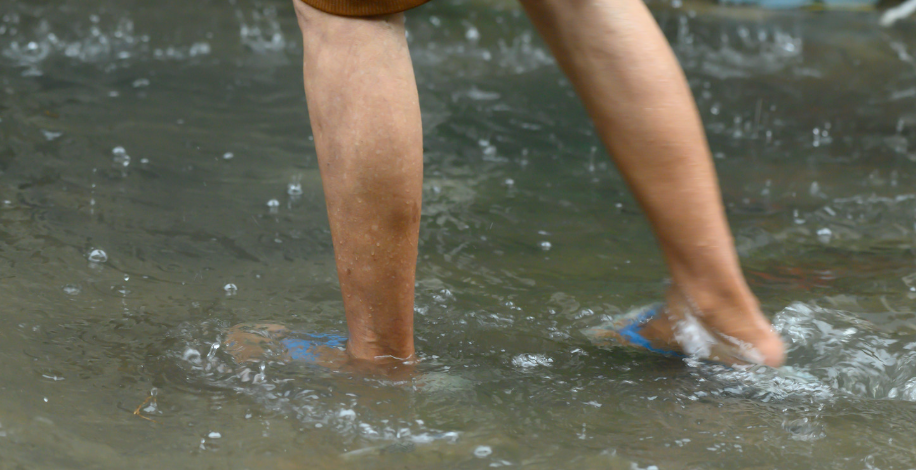
Contagion occurs when people come into contact with contaminated water, mud, or surfaces. The bacteria can enter the body through small wounds on the skin or through the mucous membranes of the eyes, nose, and mouth.
Heavy rains, flooding, and the accumulation of trash increase the risk of exposure, especially in communities with deficiencies in storm drainage and solid waste management.
Symptoms and complications of the disease
Among the main symptoms of leptospirosis are sudden fever, chills, headache, intense muscle discomfort, especially in the calves, and redness of the eyes.

These manifestations can initially be confused with other febrile illnesses, such as dengue, which makes it essential to go to a health center to receive a timely medical evaluation.
In the most severe cases, the infection can lead to kidney failure, liver damage, hemorrhages, and other life-threatening complications.
Early diagnosis and antibiotic treatment are fundamental to reducing the risk of complications and improving the chances of recovery.
Recommendations to strengthen prevention measures
Given the increase in infections, public health specialists recommend avoiding contact with stagnant water, using boots and gloves during cleaning work in flooded areas, and keeping domestic spaces free of trash and rodents.
Likewise, they advise protecting food and water for human consumption, properly covering wounds, and reinforcing hygiene measures in homes and commercial establishments.
People who present with fever, severe muscle aches, or other symptoms compatible with leptospirosis, especially after exposure to floods or contaminated water, should seek immediate medical assistance and avoid self-medication.
The increase in cases during 2026 highlights the importance of strengthening preventive actions and epidemiological surveillance to reduce the spread of this disease in the national territory.