



An oncology treatment can go from US$12,000 in early stages to US$30,000 in advanced stages, according to specialists. While the State allocates billions of pesos to high-cost medications, thousands of patients wait to access therapies that may represent their only treatment alternative.
In the Dominican Republic, cancer not only represents a threat to patients’ lives, but also a growing economic burden for families and the healthcare system. Detecting the disease at an advanced stage can significantly increase care costs, in a country where diagnostic delays, coverage limitations, and the demand for specialized medications pose challenges to ensuring timely treatments.
In the first installment of this investigation, The labyrinth of cancer diagnosis in the DR, it was exposed how patients can face waits of up to three months or more to confirm a cancer diagnosis, especially in public facilities, due to delays in appointments, biopsies, and other specialized studies.
Now, this second installment examines the economic consequences of that process: how much it costs to treat cancer according to its stage, what resources the Dominican State allocates, and what the difficulties are in accessing medications that can reach millions of pesos per patient.

From early diagnosis to stage IV: a US$18,000 difference
The moment cancer is detected can make a significant difference in both treatment possibilities and the financial resources needed to face it.
An oncologist and member of the Board of Directors of the Dominican Association of Oncology Centers (ASODCO) explained that the cost of treating the disease varies considerably depending on the stage at which the patient is diagnosed.
“An early-stage patient represents a disease with an approximate cost of 12,000 dollars. But when we have those stage IV tumors, the cost rises to approximately 30,000 dollars,” the specialist pointed out.
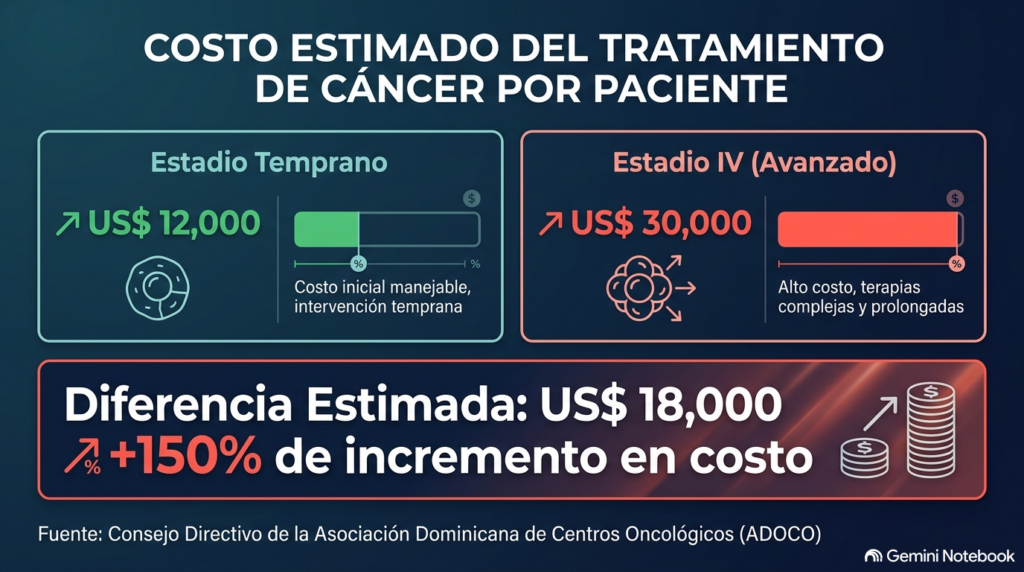
This difference means that the treatment of a patient diagnosed at stage IV can cost approximately 2.5 times what would be invested in one detected early, according to the figures provided.
The specialist emphasized that this reality demonstrates the importance of strengthening timely detection, not only because of the greater possibilities of controlling the disease, but also because of the financial impact of advanced treatments.
However, costs vary depending on the type of tumor, the medications used, the duration of the treatment, and the particular conditions of each patient.
RD$2.273 billion to treat 1,222 cancer patients in 2025
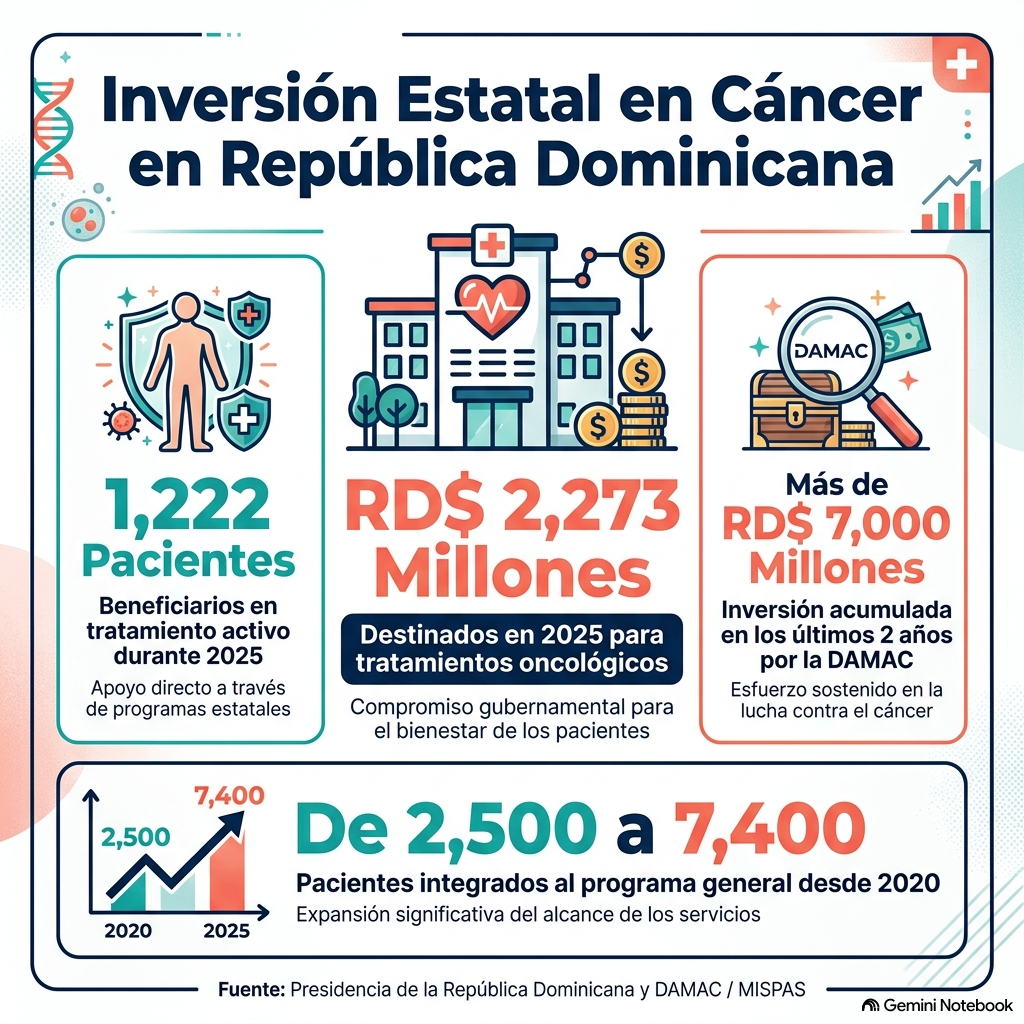
The director of the High-Cost Medicines Access Directorate (DAMAC), Dr. Carlos Sánchez, reported that the institution invested approximately RD$7 billion over the last two years in treatments for oncology patients, primarily in therapies aimed at people diagnosed with breast cancer, which highlights the high financial burden that this disease represents for the public health system.
According to the budgetary data provided, the resources allocated to the general high-cost medication program increased from RD$2,786 million in August 2020 to RD$7,313.8 million, which represents an approximate increase of 163%. This budgetary expansion was accompanied by an increase in the number of beneficiaries, which went from about 2,500 patients to approximately 7,400 people with active treatments for various high-cost diseases.
In 2025 alone, the State allocated RD$2,273.1 million to finance pharmacological treatments for 1,222 oncology patients, of which 254 entered the program that same year. These figures reflect the economic burden of guaranteeing access to and continuity of specialized therapies, particularly those requiring state-of-the-art medications and prolonged administration regimens.
When relating the investment executed during 2025 with the number of oncology patients treated, an approximate arithmetic average of RD$1.86 million per beneficiary is obtained. However, this amount does not necessarily represent the individual expenditure of each patient, because costs vary according to the type of cancer, the medications prescribed, the required doses, and the duration of the treatment.
Medications that can cost millions of pesos per patient
One of the main economic challenges of cancer care is related to the price of specialized medications.
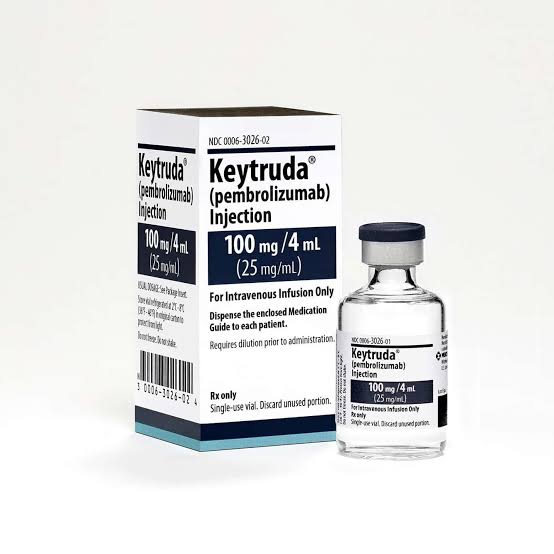
Among them is pembrolizumab, used in certain types of cancer as part of immunotherapy treatments. According to the costs provided for this investigation, a dose can reach RD$257,000, although the price and the amount administered depend on the therapeutic regimen.
In prolonged treatment, the accumulated expense can amount to several million pesos, a sum that far exceeds the economic capacity of numerous Dominican households.
FOMAC: the commitment to expand coverage for millionaire treatments
Faced with financing limitations, the National Social Security Council (CNSS) approved the creation of the High-Cost Medication Fund (FOMAC), a mechanism aimed at strengthening the sustainability of coverage for specialized therapies.
According to the information gathered for this investigation, the fund contemplates a monthly contribution of RD$50 per social security affiliate, intended to finance medications for high economic impact diseases.
The approved scheme establishes 100% coverage, with no copayments for the included medications, and initially contemplates 13 medications for 16 pathologies, with coverage limits that could reach RD$16 million annually per patient.
The implementation of FOMAC represents one of the main questions for those who currently depend on public programs or are waiting for specialized medications.
INCART: more than 11,000 monthly consultations reflect the demand for oncological care in the DR
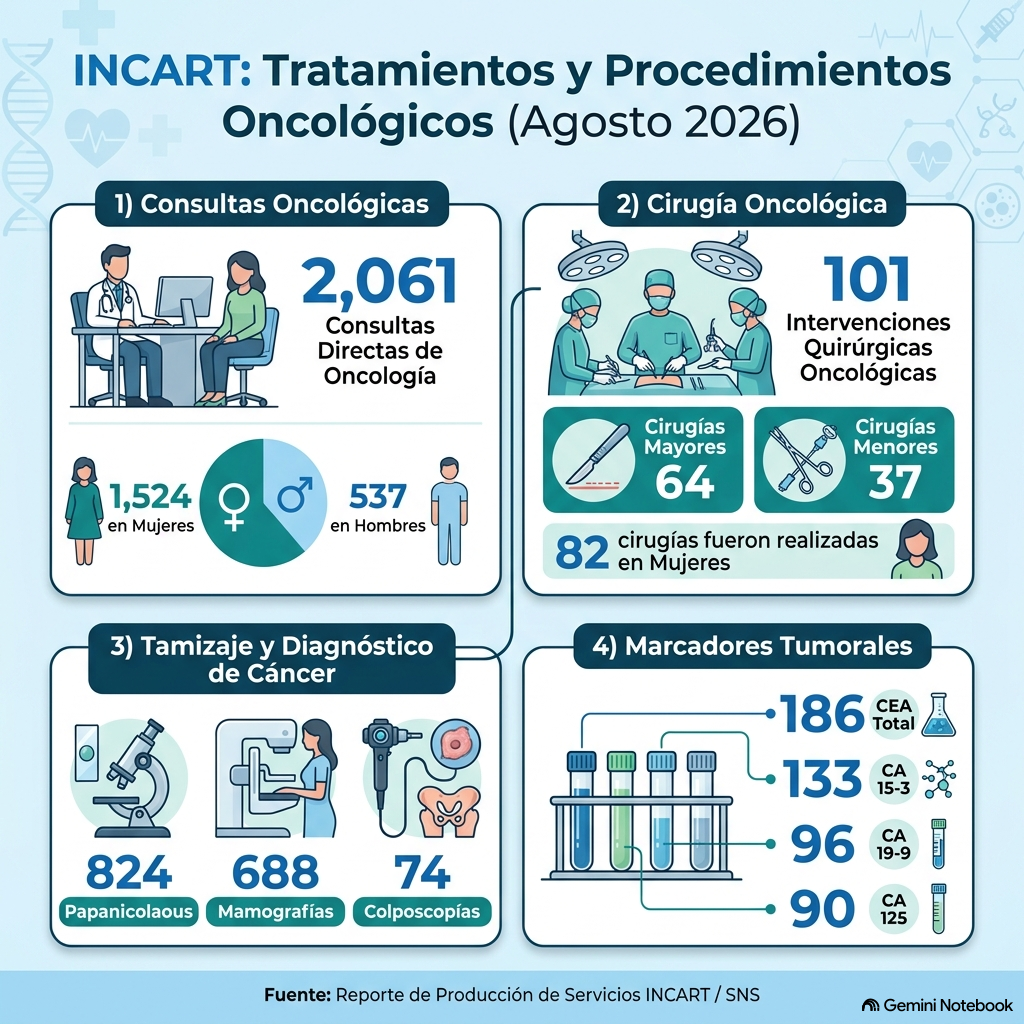
The growing demand for oncology services is also reflected in the statistics of the Rosa Emilia Sánchez Pérez de Tavares National Cancer Institute (INCART), one of the country’s main specialized public centers. According to healthcare productivity records validated by the National Health Service (SNS), the hospital recorded 11,430 outpatient consultations in one month, of which 2,061 were for medical oncology. Of the latter, 1,946 were follow-up consultations and only 115 were first-time visits, while 73.9% of the care provided was for women.
The care burden extends to surgical and diagnostic procedures. During the evaluated period, INCART performed 101 oncological surgeries, including 64 major and 37 minor ones, in addition to 4,985 diagnostic and laboratory procedures. Among these are 688 mammograms, 824 Pap smears, 74 colposcopies, and 15 stereotactic-guided biopsies, which are fundamental studies for the detection, evaluation, and monitoring of different types of cancer.
The economic impact of this demand is also related to social security coverage, because 75.5% of the outpatient consultations recorded corresponded to patients affiliated with SeNaSa.
“Health has become a privilege”: Juliana O’Neal denounces high costs of cancer
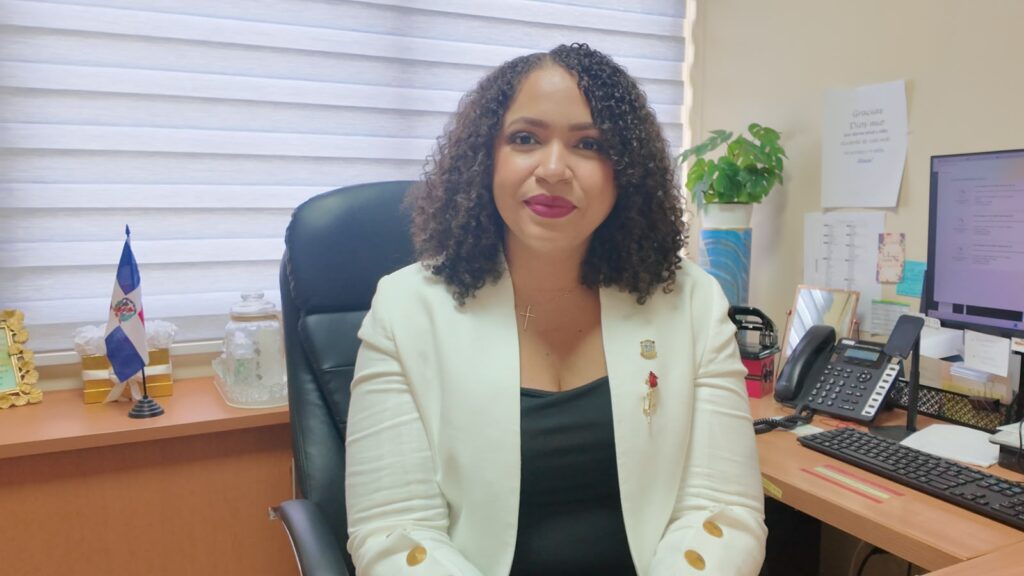
Congresswoman Icelmary Brito (Juliana O’Neal), a cancer survivor, warned that facing this disease in the Dominican Republic represents an economic burden that can compromise the assets of entire families, noting that certain oncological treatments can reach RD$700,000 every 21 days, not including other essential expenses during the medical process.
“You could easily be talking about 700,000 pesos every 21 days,” the legislator expressed, explaining that to this sum are added the costs of pre-chemotherapy analytics, special nutrition, complementary medications, and transportation to hospital centers, expenses that considerably increase the bill that patients must assume.
From his experience as a survivor, Brito denounced that the difficulties in accessing treatments and receiving timely assistance have led some families to part with their assets to face the disease. “We have people selling their homes, mortgaging their assets to be able to afford therapy in the face of a lack of response from the State agencies that have to deal with this,” he stated.
The congresswoman considered that cancer not only deteriorates the physical and emotional health of patients, but also threatens their job and economic stability, which is why she demanded greater state protection and support. “Medicine has become a business. In the Dominican Republic, health has become a privilege,” she maintained, while insisting on the need to ensure that patients can access treatments without putting their families’ livelihood at risk.
A global bill that could reach US$33.2 trillion
The growing financial burden of cancer is not unique to the Dominican Republic.
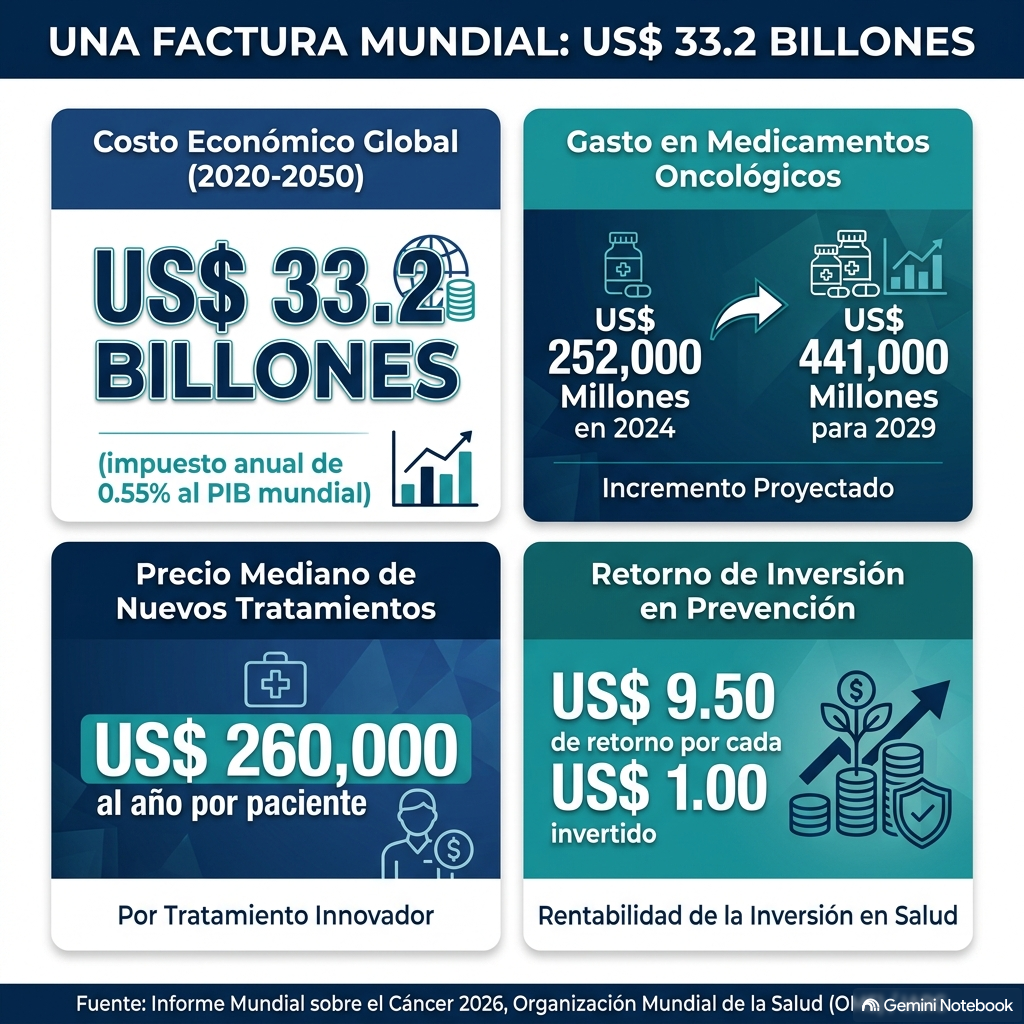
An international study on the macroeconomic impact of this disease estimated that its cumulative cost to the global economy between 2020 and 2050 could reach approximately US$33.2 trillion, considering the economic losses associated with mortality and morbidity.
Added to this pressure is the increase in global pharmaceutical spending in oncology, estimated at US$252 billion during 2024, with projections pointing to exceeding US$441 billion by 2029.
The development of new therapies, especially targeted treatments and immunotherapies, has expanded the medical options available to certain patients, but has also created significant funding and access challenges.
These figures highlight the need to strengthen prevention, early detection, and the planning of resources allocated to cancer care.