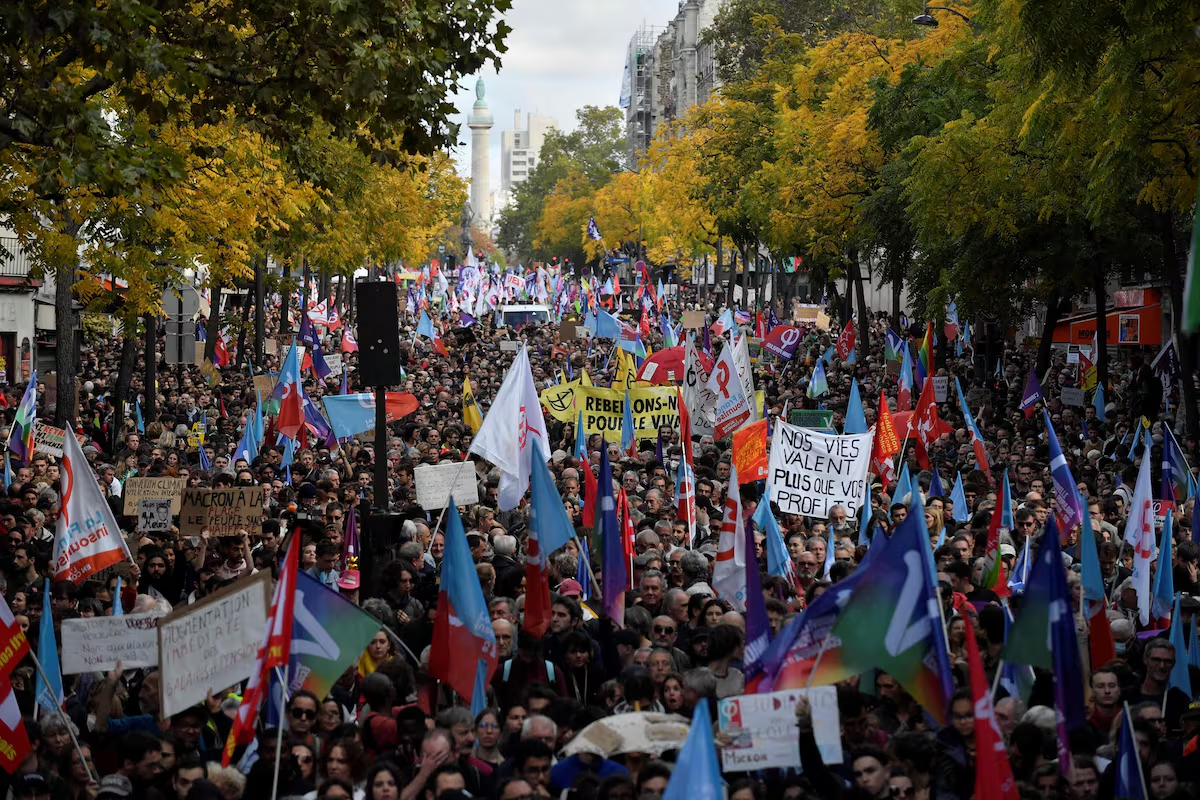

Warning strikes began across Germany’s metalworking and electronics industries at midnight on Sunday, November 1, following the end of a mandatory labor peace period during which unions and employers agreed not to take industrial action.
The IG Metall union announced that strikes and demonstrations were planned throughout the week at more than 2,000 companies across the country. On Monday, the organization reported more than 200 labor actions involving major companies, including Audi, Liebherr, Mercedes, Miele, Philips, Rolls-Royce, Schaeffler, ZF and Siemens.
The union said the escalation follows an offer presented by employers during the second round of collective bargaining in 2026. The proposal includes a 1.3% wage increase beginning in July 2028, along with a possible one-time payment in mid-2027 for companies performing well.
IG Metall rejected the offer, describing it as insufficient, and is demanding a 5% salary increase over 12 months. The union is also seeking guarantees to protect jobs and industrial facilities amid concerns about employment and the future of manufacturing in Germany.

The strikes come as Europe’s largest economy faces pressure across key industrial sectors, with wage negotiations and job security emerging as central issues in the labor dispute.