
Peru declares state of emergency in border region with Chile


9:07 am
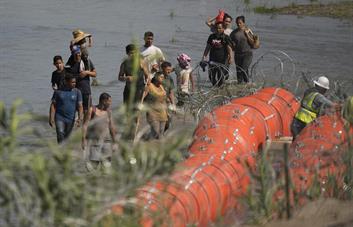
Lima.- The Government of Peru declared this Friday a state of emergency in several districts of the Tacna region, bordering Chile, so that the armed forces can support the National Police in the protection of the border, according to a supreme decree published in an extraordinary edition of the official newspaper El Peruano.
The interim president José Jerí shared on his X social media account the supreme decree declaring a state of emergency in the districts of Palca, Tacna and La Yarada-Los Palos, bordering Chile, after dozens of apparently irregular migrants in that country had arrived at the border point with Peru with the intention of entering Peruvian territory, but were prevented by police officers. “Done. Declaration of the State of Emergency in Tacna. Thus begins the deployment of the Armed Forces to protect our borders with the PNP,” wrote Jerí.Hecho. Declaratoria del Estado de Emergencia en Tacna. Se inicia así el despliegue de las FFAA para resguardar con la PNP nuestras fronteras. pic.twitter.com/cKviaSF5rp
— José Jerí (@josejeriore) November 29, 2025
Regional Security Committee Activated
The supreme decree added that the Regional Citizen Security Committee (Coresec) of Tacna, as well as the Command and the constituted Committees, are declared in permanent session. The response of the Public Ministry and the Judiciary is also strengthened, and operations are ordered against illegal markets such as human trafficking, drugs, weapons, mobile phones and informal transport. According to the television channel N, the officer in charge of the Peruvian detachment informed representatives of the Chilean Carabineros that no person in an irregular condition can enter Peruvian territory. This caused several of the migrants, who were on foot, to block the Pan-American South highway and the border crossing, which resulted in a long line of trucks and buses on both sides of the border.Following this situation, the Minister of the Interior, Vicente Tiburcio, arrived this Friday in Tacna to supervise the deployment of the National Police and the armed forces to prevent the irregular entry of people through the border control posts of Santa Rosa and Francisco Bolognesi.Migrants told Canal N that they are seeking to return to their countries of origin, because they have been forced to leave Chile due to the tightening of immigration policies in that country.

We are a multiplatform outlet offering news and television content. The fastest-growing news outlet in audience in the history of Caribbean communication.


#Most read
- 1.Magnitude 8.0 earthquake reported off Panama’s Pacific coast
- 2.VIDEO: Earthquake reportedly causes damage inside building in Panama
- 3.VIDEO: Father throws chair at judge after driver gets 120 hours of community service for killing his daughter
- 4.Biography of Juan Ramón Gómez Díaz: The Media Mogul in the Dominican Republic
- 5.Dominican woman sentenced to 25 years for killing fellow Dominican friend in Orlando
- 6.British man found dead and naked in Italy had attended pagan gathering involving drugs
- 7.Pamela Infante clarifies situation with Wander Franco
- 8.Dominican man shot by ICE agents in New York identified as Oscar Belgal
- 9.NYPD searches for Dominican man wanted in death of young woman who fell from 15th floor
- 10.He shot her, mutilated her and put her body through a meat grinder: boyfriend kills businesswoman and her daughter in Russia

Newsletter
Subscribe to our newsletter to receive our latest articles instantly!