“I am a tolerant and democratic president, but everything has a limit… We will continue to govern for the people and, for that reason, I say to all pre-candidates and their coordinators: proselitizing acts to officials are not allowed. If they want to campaign, they must leave their positions.” Thus spoke the head of state, Luis Abinader, tired – with reason – as society in general has been, of seeing his ministers and high-ranking officials turned into premature candidates (outside the law), into speakers at rallies disguised as press conferences, into promoters of themselves from the very desks where they should be governing.
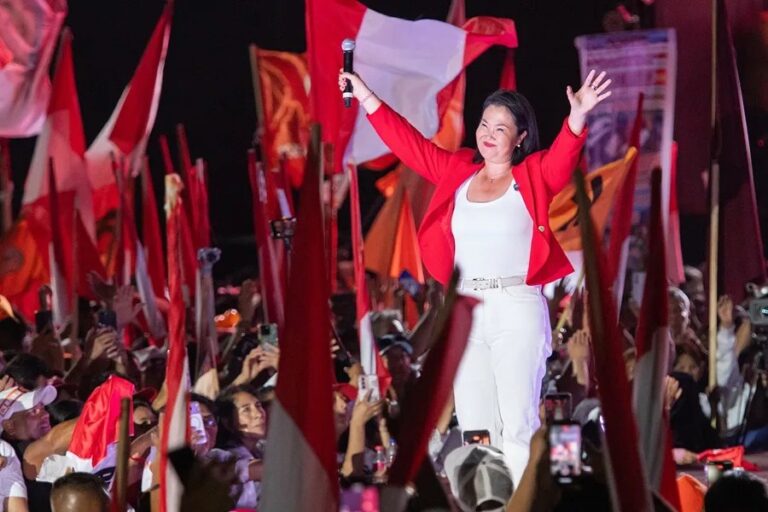
I am not exaggerating. For weeks, some members of the cabinet – and not a few heads of public institutions – had started an informal, but evident, competition for the presidential candidacy of the Modern Revolutionary Party (PRM), when Abinader has not even completed the first year of his second term. Official acts were filled with flags, cameras and carefully measured slogans. Even multitudinous support events as if the campaign had formally begun.
The warnings of the PRM’s secretary general, José Ignacio Paliza, were not heeded, who since 2024 has been reminding pre-candidates that article 150 of the party’s statutes and other regulatory norms prohibit the untimely promotions of all aspirations to elected positions by Dominican citizens.
“The promotion of aspirations for popular election within the party is prohibited outside the deadlines stipulated by law, the resolutions of the Central Electoral Board (JCE), and these statutes,” he expressed last year on his social account X (formerly Twitter).

More recently, the political leader and president of Indotel, Guido Gómez Mazara, warned last month in a public letter about the risks facing the PRM if it does not direct its internal processes within the institutional framework and respect for legal timelines.
But like horses in a full, unbridled race, officials-candidates spoke more of political future than of present management. And all this, of course, with the state apparatus as a backdrop.
In the Dominican Republic, the line between public and partisan is, many times, a mirage. History is full of ministers who campaigned from power, presidents who used the budget as an electoral petty cash box, institutions that ended up being political offices with air conditioning.
The curious thing in this case is that Abinader, even with power in his hands and without re-election aspirations, decided to confront the disorder and – as in a theater scene – stop the performance mid-act.

Your warning, however symbolic it may seem, has an incalculable institutional value. Firstly, because it vindicates a basic idea of democracy: that the government is not a catwalk for vanities, but a responsibility that demands neutrality, decorum, and concentration. Secondly, because it reminds your party – and the entire country – that individual ambitions should not hijack the stability of the State.