

Santo Domingo.- For decades, the Dominican Republic had businesses that were much more than simple commercial establishments. Restaurants, cafeterias, nightclubs, bars and shops became meeting points for families, artists, entrepreneurs, politicians, and young people who found in these spaces places to celebrate, share, and build memories.
Over the years, many of those establishments closed their doors. Some disappeared completely, others changed location or concept, while a few managed to remain as part of the collective memory. Their names, however, continue to be remembered by generations who lived in an era when going out to eat, dance, or simply gather had different settings.
You might be interested in: Chef Pepper closes its branches in DR due to a “serious economic situation” generated by the pandemic
One of the most iconic names is La Guácara Taína, a space that for years was a reference for the nightlife of Santo Domingo. Its entertainment and music proposal made it one of the most recognized places for those looking to enjoy the capital’s night.

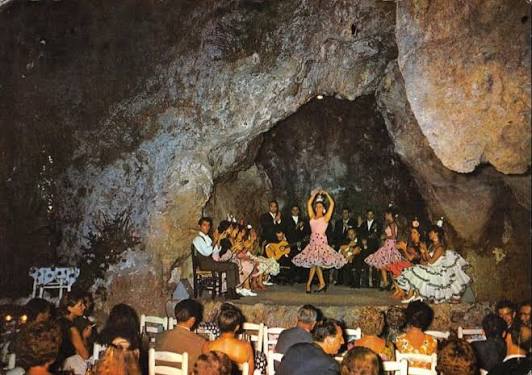
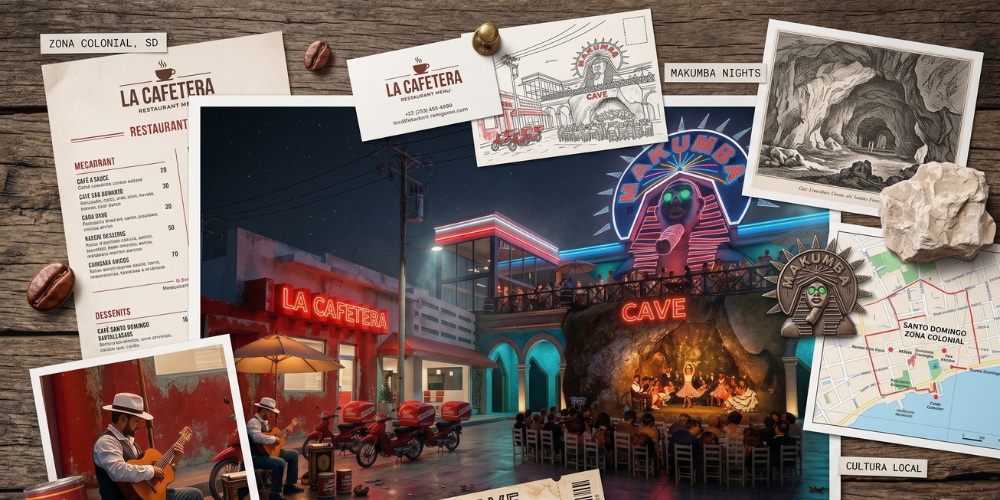
Alongside them appear names such as Candy Disco, Makumba, Las Vegas, Fuego Fuego, La Torre, Omni, Maunaloa Night Club and Club 60, establishments associated with different stages of Dominican nightlife.
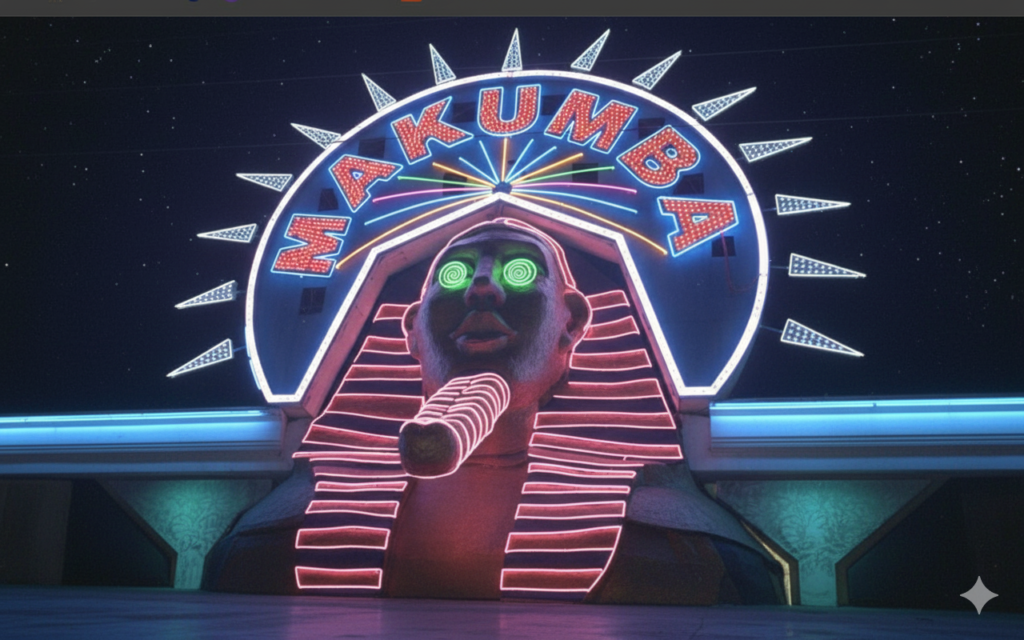
For many of their former customers, these places represented a form of entertainment that has changed today. Large nightclubs gradually gave way to lounges, themed bars, restaurants, concerts, and new entertainment concepts.

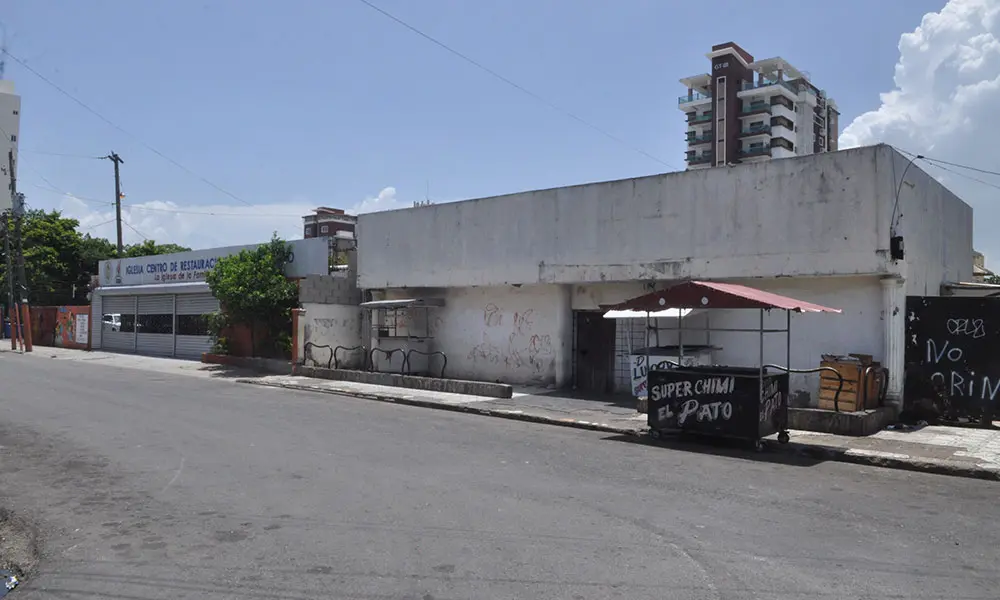
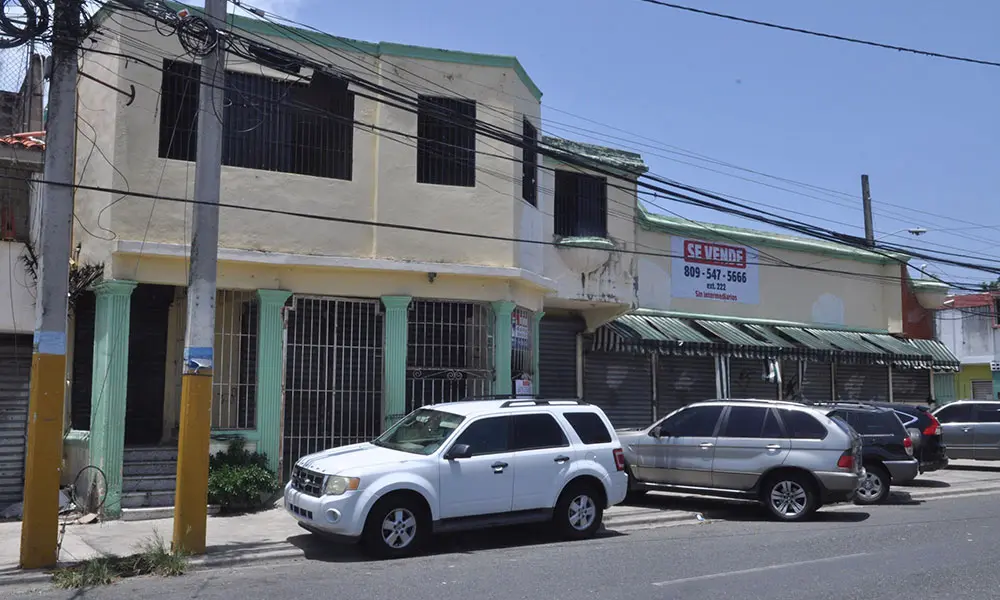
Santo Domingo Este also keeps its memories
The growth of Santo Domingo Este was accompanied by the emergence of numerous businesses dedicated to entertainment. Among the names still remembered by those who lived through that era are La Ureña, La Barrica, and O’Side Club, in addition to other establishments that operated in different sectors of the municipality.
Urban and commercial transformation caused many of these businesses to disappear or be replaced by new proposals.
La Barrica, for example, became linked to the nightlife and gastronomy of Santo Domingo Este, while La Ureña became a well-known spot within the area’s entertainment circuit.
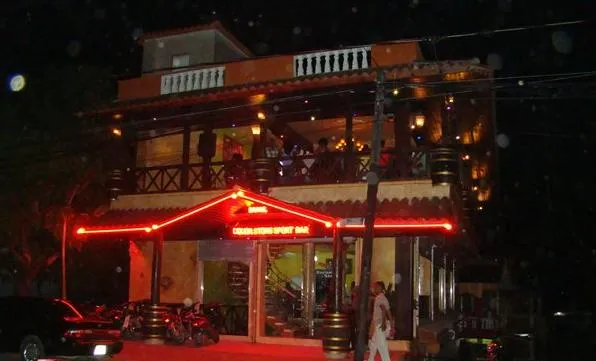
From cabarets to large nightclubs
The history of Dominican entertainment also has much older chapters. One of them is related to Cabaret Herminia, an establishment that is part of the history of Santo Domingo’s nightlife and an era in which cabarets had a significant presence within the entertainment offerings.

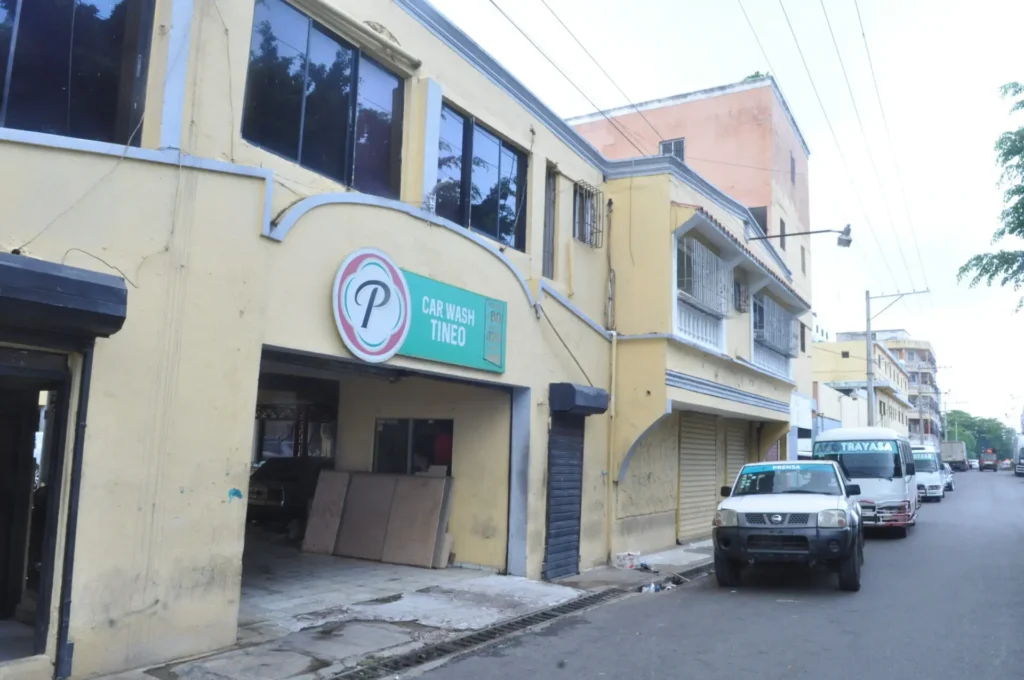
Over the decades, that model gave way to nightclubs and nightlife venues aimed primarily at a young audience.
Subsequently, establishments such as AMBIs and Platinum Club arrived, names that also became associated with a generation that made nightclubs one of their main spaces for socialization.
The restaurants that also made history
But it is not only nightclubs that have disappeared. Dominican gastronomy has also seen the closure of establishments that for decades were part of the city’s daily life.
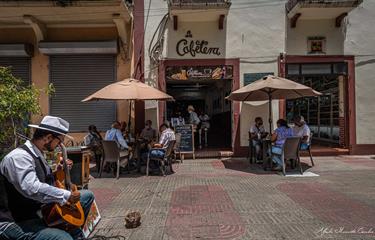
One of the most recent and symbolic cases is La Cafetera, which operated for 92 years on El Conde Street. The establishment became a meeting point for generations of Dominicans and was linked to the cultural life of the Colonial City.
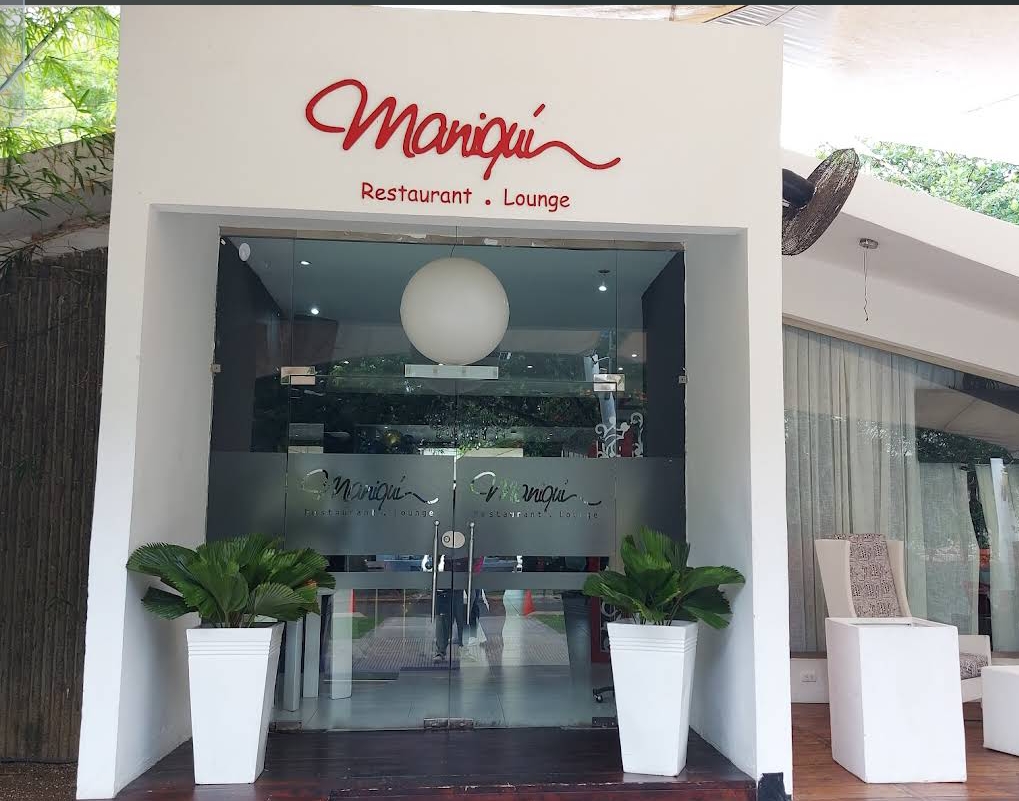
Another case is the Maniquí Restaurant, located in the Plaza de la Cultura, which closed after almost 52 years of operations. The place was frequented by artists, intellectuals, politicians, and representatives from different sectors of Dominican society.
Also part of this story is El Vesubio, an Italian tradition restaurant that for decades was one of the best-known gastronomic establishments in Santo Domingo. Its closure marked the disappearance of one of the traditional restaurants linked to the Malecón.
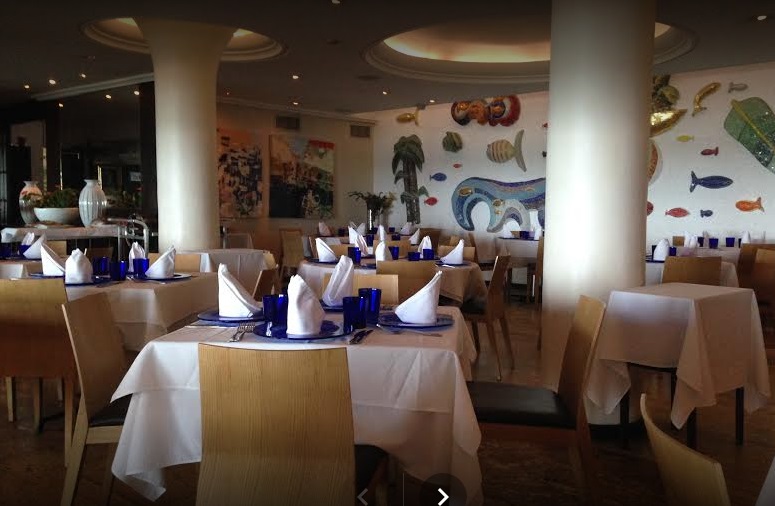
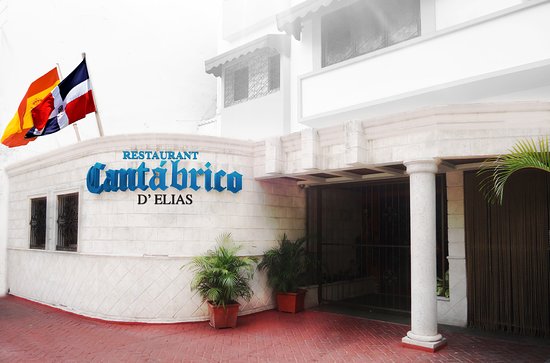
Added to this list is Cantábrico de Elías, recognized for its Spanish gastronomy proposal and for having remained for years among the traditional restaurants of the capital.
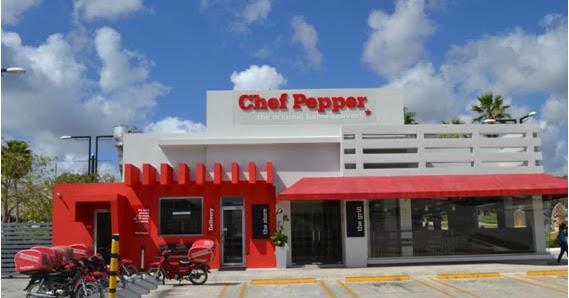
Another name known to a more recent generation is Chef Pepper, a restaurant chain that ceased operations in the Dominican Republic in 2023 after several years of presence in the market.
Also appearing in the records of traditional establishments are names such as Cheresade and El Pez Dorado, the latter linked to the gastronomic history of Santiago.
Tele Oferta, another memory of the city
The disappearance of iconic businesses is not limited to gastronomy and entertainment either.
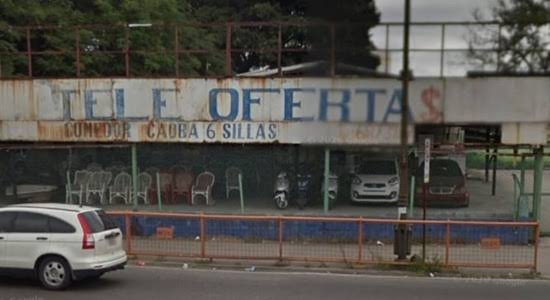
Tele Oferta was for decades one of the most recognized businesses in Santo Domingo. Its presence in a strategic area of the capital made the establishment a reference point for thousands of people.
The business, founded in 1987, remained for decades at the intersection of Máximo Gómez and 27 de Febrero avenues, becoming part of the city’s commercial landscape.
Why did they disappear?
The reasons behind the closure of these businesses are varied. In some cases, economic changes played a role; in others, operating costs, urban transformations, new regulations, generational shifts, or changes in consumer habits were factors.
Technology has also transformed the way we shop, eat, and are entertained. Consumers today have a much wider range of options and use social media and digital platforms to learn about restaurants, book spaces, and discover new places.
In the case of nightclubs, the change has also been evident. Large establishments that could gather hundreds of people were replaced in many cases by smaller spaces, bars, lounges, and temporary events.